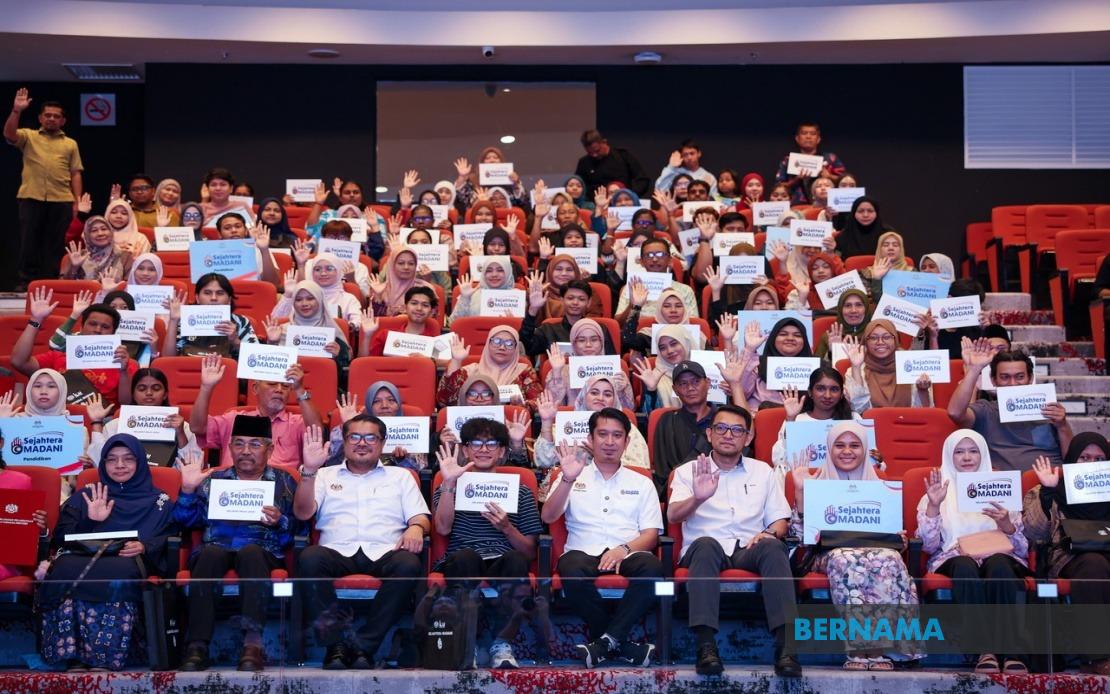
Malaysia's higher education sector has embraced a structured approach to regulating generative artificial intelligence, with the Ministry of Higher Education's 2024 guidelines serving as a foundational framework that institutions are now leveraging to balance technological innovation against academic integrity concerns. Deputy Minister Adam Adli Abdul Halim announced the effectiveness of these directives during the SPM Excellence Awards and Higher Education Appreciation Ceremony at the Melaka International Trade Centre on July 22, noting that universities have successfully translated national guidance into institution-specific policies tailored to their operational contexts.
The introduction of these guidelines represents a measured response to the rapid proliferation of AI tools in educational environments. Rather than imposing blanket restrictions that might stifle beneficial learning applications, the framework enables each institution to develop customised standard operating procedures. This decentralised approach acknowledges that universities across Malaysia operate with different resources, student demographics, and academic disciplines, requiring flexibility in implementation while maintaining consistency in core principles. The system recognises that one-size-fits-all regulation cannot adequately address the nuanced challenges posed by AI in diverse academic settings.
Universities have established clear mechanisms for identifying and addressing AI misuse, transforming what could be an enforcement challenge into a manageable administrative function. These procedures include documented response protocols, standardised operating procedures for investigation, and consistent methods for determining appropriate sanctions. The existence of formalised processes provides transparency to both students and faculty, reducing uncertainty about what constitutes acceptable versus prohibited AI usage. This clarity has enabled institutions to enforce academic standards more consistently, while also educating the academic community about responsible AI deployment.
A critical component of the framework requires students to declare their use of generative AI in academic submissions. This disclosure requirement serves multiple purposes: it allows educators to understand the extent of AI integration in student work, enables fair assessment of individual learning outcomes, and creates accountability mechanisms that deter casual or inappropriate applications. The declaration system essentially transforms AI from a hidden variable into a transparent element of the learning process, allowing instructors to evaluate whether students have maintained foundational research competencies and critical thinking skills alongside their use of technological tools.
Despite the framework's effectiveness, incidents of misuse continue to occur across Malaysian universities. However, Adam Adli emphasised that the guidelines have shifted institutional capacity from reactive confusion to proactive management. Rather than universities grappling uncertainly with unprecedented situations, they now apply consistent protocols that include evidence-gathering procedures, disciplinary hearing processes, and proportionate consequences. This institutional maturation reflects the reality that guidelines succeed not through perfect prevention of violations, but through establishing credible response mechanisms that reinforce behavioural expectations.
The ministry has explicitly positioned generative AI as a supplementary educational tool rather than a replacement for fundamental academic disciplines. Students must continue applying rigorous research methodologies, proper citations, and authentic intellectual engagement. Using AI to generate complete assignments while bypassing these scholarly foundations constitutes a breach of academic integrity that can result in serious consequences, including degree revocation in severe cases. This positioning protects the credibility of Malaysian qualifications in an increasingly competitive global higher education market, ensuring that degrees reflect genuine mastery rather than outsourced content production.
The declaration requirement also establishes an important precedent for algorithmic literacy among Malaysian students. By formally acknowledging their use of AI, students develop awareness of how these tools function within their learning processes. This conscious engagement differs fundamentally from unconscious, unexamined technology adoption. Students learn to evaluate AI outputs critically, recognise the limitations of generated content, and understand when AI assistance enhances versus compromises their learning objectives. This pedagogical dimension extends beyond compliance to develop graduates with sophisticated understanding of technological integration in professional contexts.
The guidelines' implementation occurs within Malaysia's broader Sejahtera MADANI initiative, which extends beyond AI governance to encompass comprehensive student support. The simultaneous provision of laptops to high-achieving SPM students and Kasih SISWA tablets to university students from eKasih households demonstrates recognition that managing technology effectively requires ensuring equitable access. Without deliberate efforts to bridge digital divides, AI governance frameworks might inadvertently advantage already-privileged students while disadvantaging those from economically constrained backgrounds. The integrated approach addresses both the governance and equity dimensions of technology in education.
For Malaysian universities competing regionally and globally, these guidelines provide institutional credibility and transparency that increasingly matter to international partners and employers. As global universities develop their own AI policies, Malaysian institutions demonstrating systematic, well-documented approaches to academic integrity in the AI era present themselves as trustworthy collaborative partners. The framework positions the country as proactive rather than reactive in addressing technological disruption of traditional academic norms, potentially strengthening Malaysia's reputation in international academic networks.
The ministry's approach reflects sophisticated policy-making that acknowledges technology's transformative potential while protecting institutional integrity. Rather than demonising AI or abandoning oversight to market forces, the framework establishes guardrails within which innovation can proceed safely. This balanced posture requires ongoing refinement as technologies evolve and institutions gain practical experience with implementation. The 2024 guidelines establish foundational principles; their effectiveness will ultimately depend on sustained commitment from university leadership to enforce procedures consistently and adapt them as circumstances warrant.

