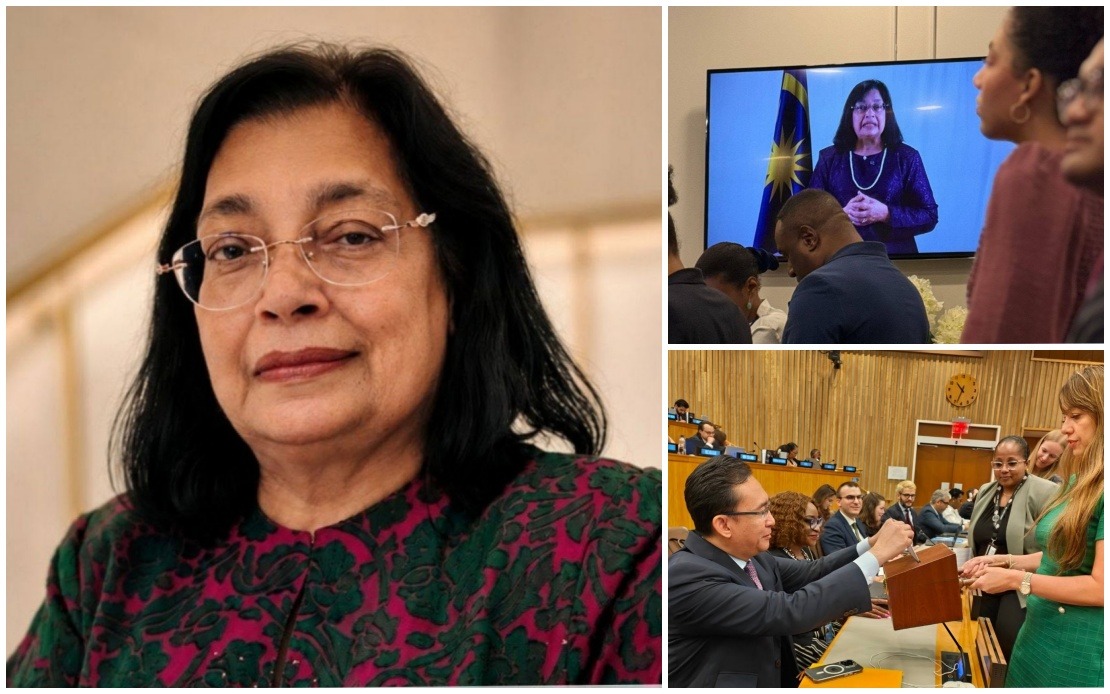
Datuk Yasmeen Muhamad Shariff has secured a seat on the United Nations Committee on the Rights of the Child for the next four-year term beginning in 2027, following voting at the UN Headquarters in New York on Tuesday. The Malaysian candidate garnered 136 votes from 189 participating States Parties during the 21st Meeting of States Parties to the Convention on the Rights of the Child, positioning her as the highest vote-getter in the election. Her selection underscores the international community's confidence in her professional standing and commitment to child welfare issues on the global stage.
This appointment represents a significant milestone in Yasmeen's career within the UN human rights architecture, as she returns to the committee a decade after her previous tenure. Between 2013 and 2017, she served as a committee member during a period when child protection standards were being substantially refined across numerous jurisdictions. Her re-election signals continuity and recognition of the value she brought during her initial service, suggesting her work earned respect among member states and international observers alike.
Serving on the committee places Yasmeen in a position where she will operate as an independent expert rather than as a representative of Malaysia's government. This distinction is crucial within UN treaty bodies, as it allows members to provide impartial assessments of how member states implement the Convention on the Rights of the Child. Her responsibilities will encompass monitoring compliance, engaging in dialogue with governments about their obligations, and advocating for approaches that centre children's rights when designing policies affecting younger populations.
The committee's mandate has grown increasingly complex as global challenges affecting children have multiplied and diversified. Issues ranging from digital safety and online exploitation to climate change impacts, migration-related vulnerabilities, and pandemic-related disruptions now occupy significant portions of the committee's agenda. Yasmeen's expertise will contribute to the committee's ability to address these emerging concerns while maintaining focus on longstanding issues including poverty, education access, health care, and protection from violence.
Malaysia's Foreign Ministry has characterized the election result as validation of the country's broader efforts to strengthen child protection frameworks domestically. The ministry statement references recent policy initiatives and legal reforms aimed at ensuring children can develop to their maximum potential, suggesting that Yasmeen's international role is positioned as complementary to domestic initiatives. This framing connects UN work with Malaysian government commitments, reinforcing the narrative that protecting children's rights operates across both national and international dimensions.
For Malaysia specifically, having a national expert serve on such a prominent UN body enhances the country's voice within international discussions about child welfare standards. Yasmeen's presence on the committee creates channels through which Malaysian perspectives on children's issues can inform global discourse, potentially influencing how other nations approach similar policy questions. Additionally, her experience on the committee can generate insights applicable to Malaysian child protection policy, creating a feedback loop between international standards-setting and domestic implementation.
The committee's role has become particularly vital as member states increasingly face pressure to reconcile cultural approaches to child-rearing with international human rights standards. Many Asian and developing nations navigate tensions between traditional family structures and modern child protection protocols, making the committee's dialogue function essential for building consensus. Yasmeen's previous experience navigating these conversations positions her well to contribute to nuanced discussions that recognize diverse contexts while maintaining fundamental protections.
The voting result—with Yasmeen receiving the most votes among candidates—reflects a strategic success for Malaysia's diplomatic efforts. The Foreign Ministry acknowledged cooperation from the Ministry of Women, Family and Community Development in advancing the nomination, indicating that winning the seat required coordination across government agencies. This inter-ministerial approach demonstrates how Malaysia treated the election as a priority rather than a routine procedural matter.
Looking forward, Yasmeen's 2027–2031 term coincides with a period when the committee will likely address evolving questions about children's participation in digital environments, their agency in decisions affecting their futures, and their role in addressing systemic challenges like environmental degradation. The committee will also continue monitoring implementation of the convention's optional protocols, which extend protections into areas such as child labour, armed conflict involvement, and commercial sexual exploitation.
The appointment also carries implications for Southeast Asia more broadly. Malaysia's continued engagement with UN human rights mechanisms demonstrates the region's willingness to participate in international accountability structures, even as individual states sometimes face criticism for their human rights records. By placing experts on treaty body committees, Southeast Asian nations maintain influence over how international standards develop and are interpreted, rather than remaining passive subjects of external oversight.
Yasmeen's election reinforces Malaysia's positioning as a country that takes children's welfare seriously at both policy and international levels. As the country continues developing strategies to address child poverty, education quality, protection from exploitation, and mental health support, having a representative actively involved in shaping global child rights discourse creates opportunities for mutual learning and benchmarking against international best practices.
The broader significance of this election lies in recognizing that child protection remains a universal concern transcending political divisions and regional differences. Despite geopolitical tensions and divergent views on numerous issues, member states voting for Yasmeen indicated consensus that advancing children's rights requires expertise, dedication, and an international collaborative approach. Her re-election validates the committee's importance as a forum where diverse nations pursue shared objectives of improving children's lives globally.