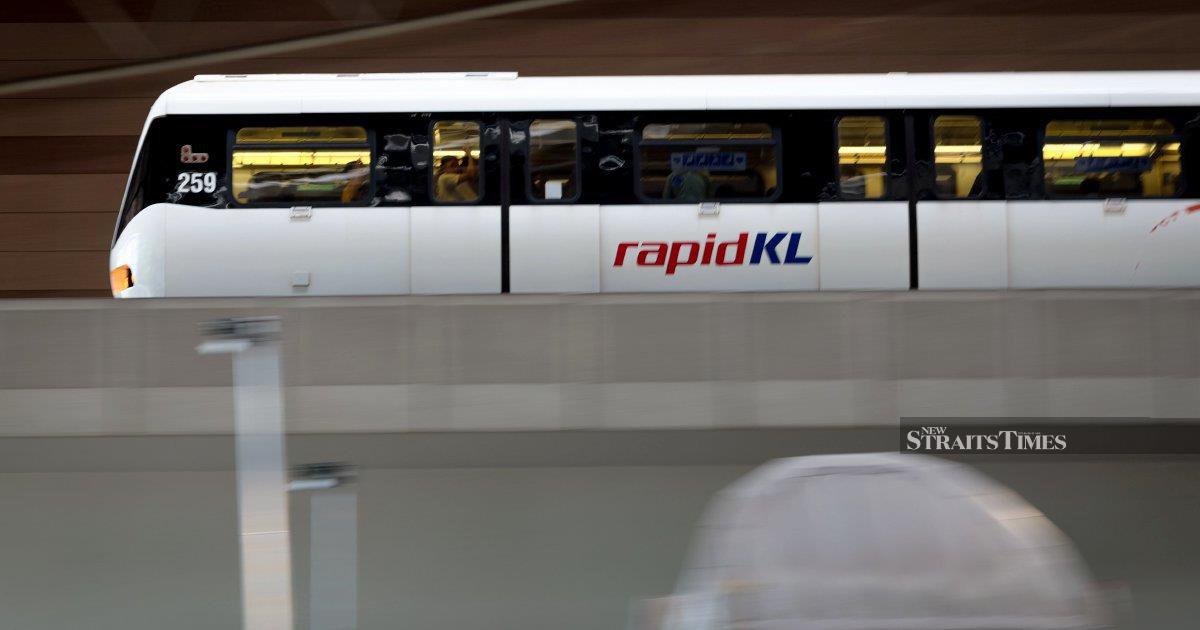
A man has been arrested following an incident involving unauthorized access to railway tracks at Jalan Meru Station, which resulted in disruptions to Rapid KL's Shah Alam Line services during the early morning hours. The trespassing incident temporarily halted train operations on one of Kuala Lumpur's key rapid transit corridors, affecting commuters relying on the service for their daily journeys.
The Shah Alam Line serves as a crucial transport artery connecting central Kuala Lumpur with Shah Alam, facilitating the movement of thousands of passengers daily. Any disruption to its operations carries significant implications for commuters, many of whom depend on the service to reach their workplaces and educational institutions on time. The incident underscores the ongoing challenge authorities face in maintaining security across the Klang Valley's expanding rail network.
Trespassing on railway tracks represents a serious breach of transport regulations and poses considerable risks to both the intruder and railway operations. The tracks are energized and heavily trafficked, making unauthorized access an extremely dangerous activity. Beyond the immediate peril to the individual, such incidents can cascade into broader service interruptions that ripple through the wider commuting ecosystem, delaying thousands of passengers and disrupting economic activity across the region.
Rapid KL, which operates the extensive rail network serving Greater Kuala Lumpur, maintains strict protocols regarding track access and security. The organization coordinates closely with law enforcement agencies to address incidents that threaten passenger safety and service continuity. Such coordinated responses are essential given the volume of passengers utilizing the network daily and the potential for serious consequences when security measures are compromised.
The incident at Jalan Meru Station reflects broader concerns about unauthorized access to critical transport infrastructure. Rail networks across Southeast Asia face recurring challenges from individuals who, whether through negligence, desperation, or deliberate intent, breach security perimeters. Malaysia's rail authorities have implemented various physical barriers, surveillance systems, and personnel patrols to minimize such occurrences, though vigilance remains essential.
The timing of the incident during early morning hours coincided with the beginning of the commute period, when passenger demand on the Shah Alam Line peaks significantly. The temporary service disruption likely affected office workers, students, and other regular commuters who depend on punctual service to maintain their daily schedules. Such incidents can trigger cascading delays that compound throughout the day across multiple transport systems.
Details regarding the individual's motivations for trespassing remain unclear, though authorities typically investigate whether such incidents stem from mental health crises, attempts to access the tracks for illegal activities, or accidents. Understanding the underlying causes helps transit operators and law enforcement develop more targeted prevention strategies and appropriate support mechanisms. In some cases, individuals in distress have been found on tracks, leading to collaborative responses involving both transit security and social services.
The Shah Alam Line itself has experienced various operational challenges over the years, reflecting the pressures inherent in managing rapid transit infrastructure serving a metropolitan area with millions of residents. Service reliability and safety remain paramount concerns for both the operator and commuters, with any disruption prompting immediate investigative and corrective action. Incidents like this one demonstrate the vulnerability of rail networks to both human factors and external interference.
For commuters and stakeholders across the Klang Valley, this incident serves as a reminder of the importance of respecting rail security protocols. Rapid KL consistently urges the public to remain vigilant, report suspicious activities, and refrain from accessing restricted areas. Public cooperation proves essential in maintaining the safety and reliability that modern urban transit systems require to function effectively.
The swift response by authorities in apprehending the individual demonstrates the security infrastructure currently in place at Rapid KL stations. However, the incident also highlights the ongoing need for enhanced measures, whether through improved surveillance technology, increased personnel presence, or community awareness campaigns. As the Klang Valley continues to expand and commuter volumes increase, maintaining robust security across the rail network becomes ever more critical.
Government and rail operators continue evaluating ways to balance public accessibility with security requirements at transit stations. The challenge lies in maintaining welcoming, user-friendly stations while implementing sufficient controls to prevent unauthorized and potentially dangerous activities. This case will likely inform future discussions about security protocols and resource allocation across Malaysia's rail infrastructure.

