Singapore authorities have moved to prosecute a 40-year-old man accused of orchestrating a pair of bomb hoaxes that targeted the city-state's Parliament House and a key government technological research facility, in what marks another instance of false threat-making straining law enforcement resources across the region. The suspect was scheduled to appear in court on July 9 after his arrest on July 7, when police linked him to both incidents through digital forensics and investigative work conducted over a four-day period.
The first incident unfolded on July 3 when the Home Team Science and Technology Agency, headquartered at One North, received an online form submission falsely claiming that a bomb had been planted within its premises. The form submission triggered an immediate security response, with authorities conducting systematic sweeps of the building and its surrounding perimeter to eliminate any potential threat. Despite these thorough checks, officers discovered no items of security concern, allowing operations to resume once the all-clear had been given.
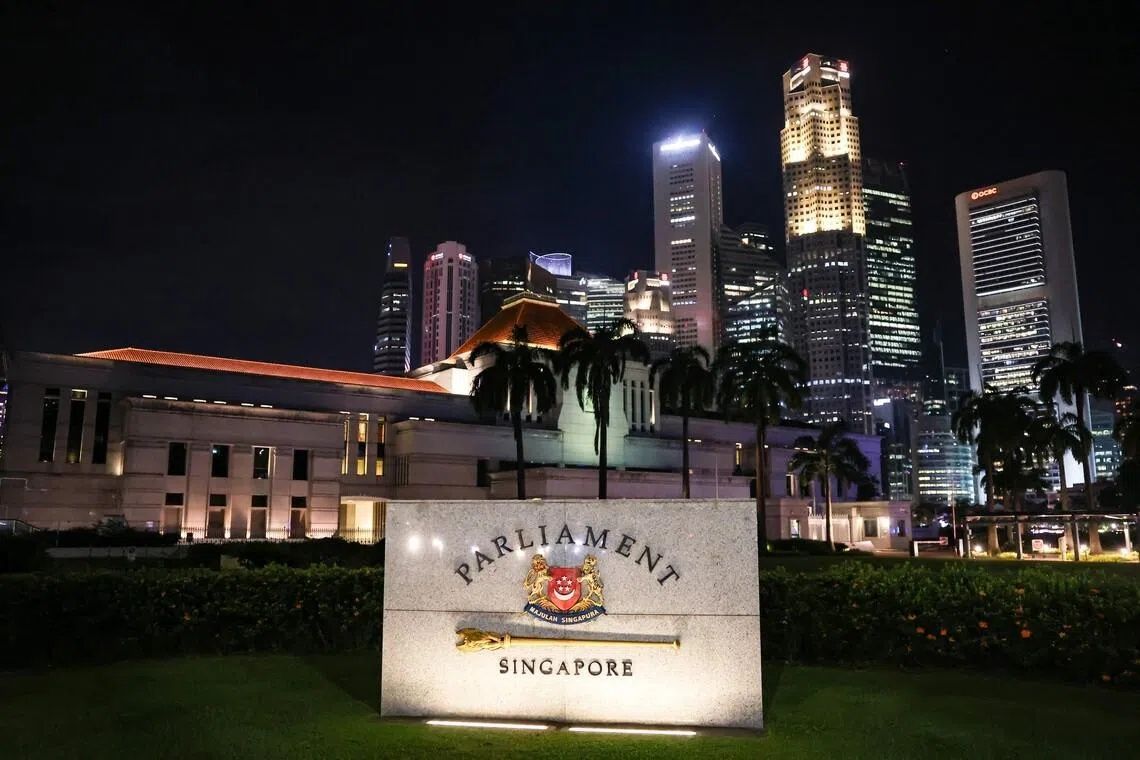
Four days later, on July 7, another bomb hoax emerged when the police received notice of an anonymous email directed at the Prime Minister's Office asserting that an explosive device had been placed at Parliament House, the legislative centre of Singapore's government. This second threat prompted a comparable investigative and protective response, with security personnel conducting detailed searches of the building and adjacent areas. No dangerous items were recovered from this location either, though the incident represented a significant security concern given the symbolic and operational importance of Parliament House.
The convergence of these two threats within a short timeframe, combined with their similar methodology and characteristics, prompted officers from the Criminal Investigation Department and Central Police Division to examine both incidents in tandem. Investigative analysis eventually established conclusively that a single perpetrator had orchestrated both hoaxes, utilizing the same technical methods and approach to craft and transmit the false notifications. This determination accelerated the investigative timeline and allowed police to focus their resources on identifying and apprehending the individual responsible.
The suspect's arrest on July 7 occurred on the same day the second threat was made, suggesting that investigators had rapidly narrowed their focus and identified the source. During the arrest and subsequent search, police seized several electronic devices believed to have been instrumental in crafting and transmitting the bomb threat communications. These devices would form critical evidence in the prosecution's case, potentially containing digital records, metadata, and communications histories that demonstrate the suspect's direct involvement.
The charges brought against the man fall under legislation addressing the communication of false information regarding harmful things, a statute designed to penalise individuals who deliberately spread dangerous misinformation that compromises public safety. Conviction on this charge carries substantial penalties: up to seven years' imprisonment, financial fines reaching S$50,000, or a combination of both sentences. The severity of the prescribed punishment reflects the seriousness with which Singapore's legal system treats such offences and the potential harm they inflict on public confidence and institutional security.
From a broader perspective, these incidents highlight the vulnerability of government institutions to digital-age harassment and the resource implications of responding to such threats. Each bomb hoax necessitated comprehensive building sweeps, the temporary disruption of operations, and the deployment of trained security and investigative personnel—all of which divert assets from other law enforcement and security priorities. The Singapore Police Force's warning that such false threats generate unnecessary public anxiety underscores the secondary psychological and administrative costs beyond the immediate security response, affecting not only those within targeted buildings but also the broader population's sense of safety.
The case also reflects patterns evident across Southeast Asia, where false threat-making has become an occasional challenge for authorities. Unlike traditional hoax calls that might affect a single institution, digitally transmitted threats can cascade through multiple government channels simultaneously, creating compounding response burdens. The sophistication required to track and attribute such threats—examining timestamps, digital signatures, and communication metadata—demands expertise and resources that could otherwise address conventional crime.
The rapid investigation and apprehension in this instance demonstrates the capability of Singapore's authorities to identify perpetrators through digital forensics and coordinated inter-agency work. The swift progression from the July 7 arrest to the July 9 court appearance indicates a well-organised prosecutorial workflow. However, the case also raises questions about what motivates individuals to make such threats and whether existing penalties effectively deter such conduct, particularly among individuals who may be experiencing psychological distress or seeking attention through disruptive means.
For regional readers, this incident serves as a reminder that even highly developed and security-conscious jurisdictions experience such disruptions. The sophistication of Singapore's response—rapid identification, comprehensive searches, and prosecutorial momentum—offers a model for how authorities elsewhere might address comparable threats. Equally, the incident underscores why governments throughout Southeast Asia continue investing in digital forensics capabilities and inter-agency coordination frameworks to combat evolving forms of public security threats that exploit technological infrastructure.
As Singapore's legal system processes this case through the courts, the prosecution's success in securing a conviction would affirm the deterrent effect of existing legislation while sending a clear message that such conduct carries serious consequences. The trial may also provide insights into the motivations, technical methods, and psychological factors surrounding false threat-making in the digital age, potentially informing future policy discussions across the region about balancing civil liberties with security imperatives.

