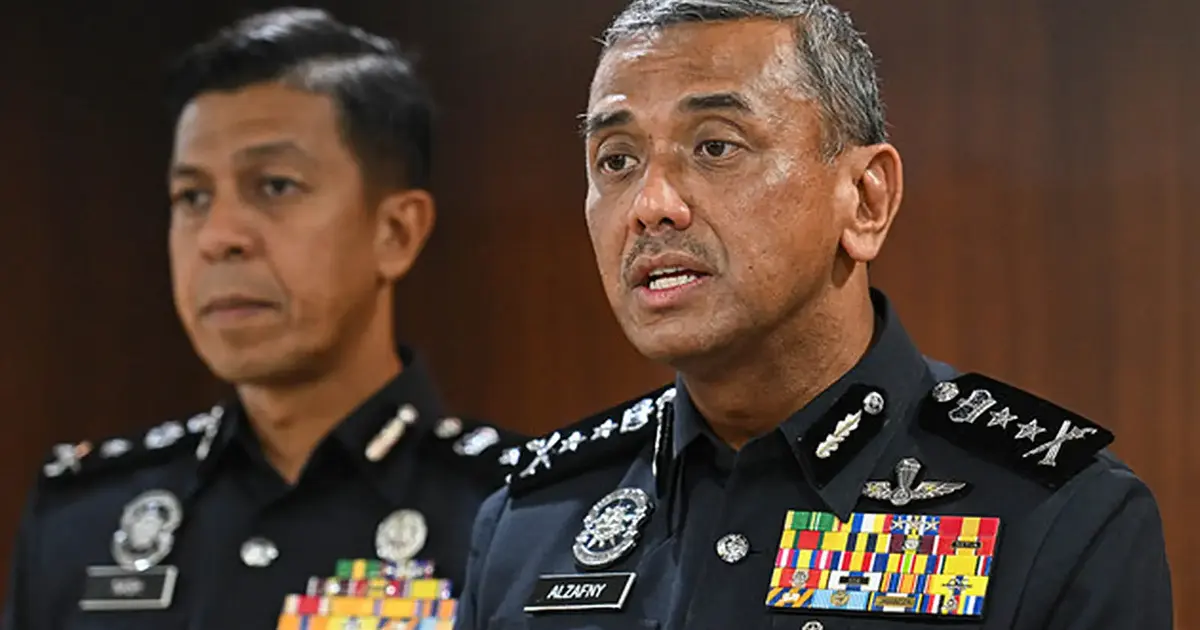
Law enforcement in Negeri Sembilan has taken into custody an individual suspected of uploading offensive material targeting the state's royal institution, according to the state's police chief Alzafny Ahmad. The case represents the latest incident involving allegations of disrespect towards Malaysia's monarchy through digital platforms, an increasingly common flashpoint between authorities and social media users across the country.
The arrest underscores the sensitivity surrounding the institution of royalty in Malaysia, where constitutional provisions afford the monarchy significant legal protection. The Sedition Act and other relevant legislation provide authorities with broad powers to investigate and prosecute those deemed to have undermined the dignity of the Sultan or other members of the royal family. Such cases frequently attract public attention and generate heated debate about the boundaries between legitimate criticism and genuine insult.
Following the apprehension, investigators seized the suspect's mobile telephone, a standard procedure in digital-related offences. The device will likely be examined for evidence pertaining to the creation, timing, and distribution of the allegedly offensive content. This forensic approach allows authorities to establish a comprehensive digital footprint and determine whether the material was widely shared or engaged coordinated amplification through multiple accounts or networks.
The timing of this arrest reflects broader patterns in Malaysian law enforcement's approach to online speech. Over recent years, police forces across the country have increased their monitoring of social media platforms, with numerous individuals facing charges related to posts, comments, and shared content that authorities have deemed insulting or seditious. While proponents argue such vigilance protects national institutions, critics contend that overly broad interpretations of relevant legislation create a chilling effect on legitimate public discourse.
Negeri Sembilan, located in the heart of Peninsular Malaysia, maintains long-standing traditions around royal reverence. The state's constitutional arrangements vest considerable authority and ceremonial importance in the Yang di-Pertuan Negeri, and public expressions of disrespect carry particular weight in local political and social contexts. This cultural and constitutional framework shapes how both law enforcement and the broader public perceive alleged affronts to the monarchy.
The specifics of the alleged post remain undisclosed at this stage of proceedings. However, such cases typically involve written statements on platforms such as Facebook, Twitter, or WhatsApp that authorities interpret as demeaning, mocking, or disrespectful towards royal family members or the institution itself. The threshold for what constitutes genuine insult versus permissible criticism remains contested, with different interpretations possible depending on context, intent, and the precise wording employed.
For observers of Malaysian politics and law, this incident highlights the ongoing tension between digital freedoms and traditional respect frameworks. Southeast Asian nations generally maintain stricter legal standards regarding speech targeting the monarchy compared to many Western democracies, and Malaysia's approach aligns with regional norms. Nevertheless, civil society advocates occasionally challenge what they characterise as disproportionate legal responses to online expression that falls short of incitement or direct threats.
The investigation's progression will likely involve gathering evidence about the post's content, examining the account holder's digital history, and potentially interviewing the suspect. Prosecutors will need to establish that the material crossed the threshold from criticism into insulting territory under prevailing legal standards. This determination often involves subjective judgement calls that can become contested in subsequent court proceedings.
Beyond the immediate case, this arrest contributes to an evolving landscape where Malaysians—and Southeast Asians more broadly—navigate the intersection of social media accessibility and state expectations regarding traditional institutions. The ease with which individuals can publish content globally, combined with the gravity that authorities attach to statements about royalty, creates recurrent friction points that shape digital citizenship in the region.
Preliminary detention enables authorities to conduct a thorough investigation while the suspect remains in custody. The length of this period and the charges ultimately filed will depend on the investigation's findings and prosecutors' assessment of available evidence. How local and national media cover the case, and whether civil liberties organisations issue statements, may influence public perception of law enforcement's handling of alleged online transgressions.
Looking ahead, this matter will proceed through Malaysia's criminal justice system, where courts will ultimately determine whether the accused's conduct violated relevant statutes. The outcome may generate legal precedent regarding the boundaries of permissible online speech, particularly concerning royal-related content—an area where Malaysian jurisprudence continues to develop as courts address novel digital-era challenges.

