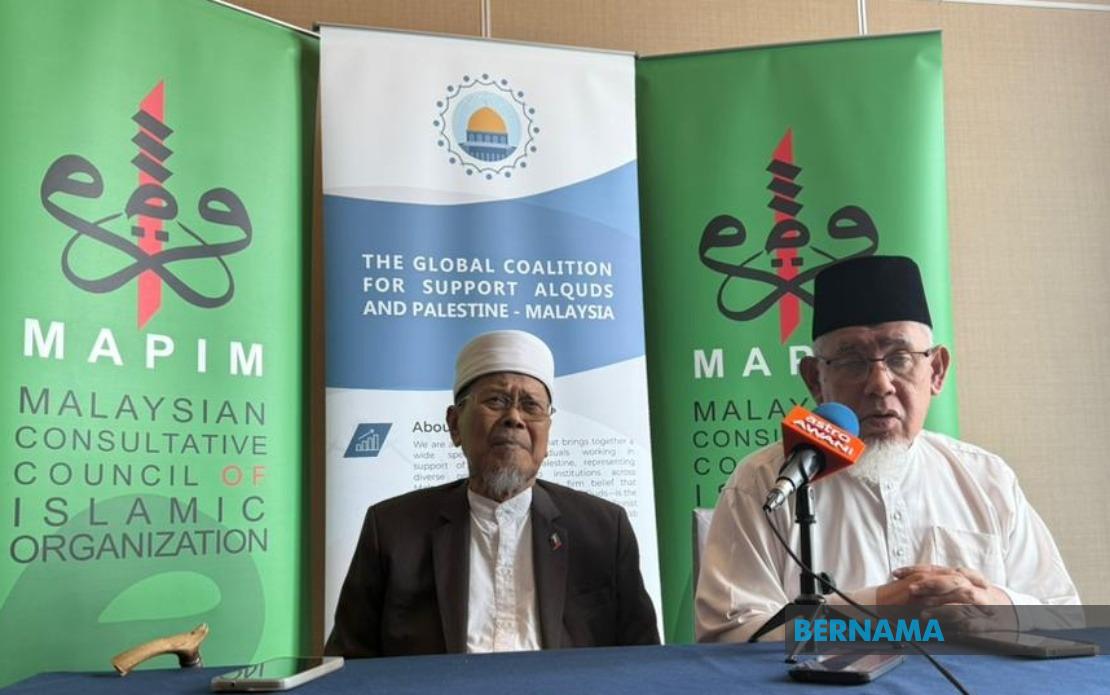
Malaysia's faith-based humanitarian sector is mobilising a rapid response to Nepal's deadliest natural disaster in recent memory. The Malaysian Consultative Council of Islamic Organisations (MAPIM) announced plans to dispatch a relief mission to the earthquake-stricken nation beginning September 5, joining a growing international effort to support survivors of devastating flash floods triggered by a catastrophic avalanche.
The scale of the humanitarian emergency unfolding in the Himalayan region has prompted Malaysian organisations to act with unusual urgency. On August 26, torrential flooding unleashed by an avalanche carved a path of destruction through critical mountain infrastructure and remote villages positioned along major trekking routes that connect Kathmandu to Lhasa in Tibet. The official death toll now stands at 469 people, with more than 1,400 individuals still reported missing. Among those unaccounted for are nearly 540 foreign nationals, underscoring the disaster's reach beyond Nepal's borders.
For Malaysia specifically, the catastrophe carries a deeply personal dimension. The Ministry of Foreign Affairs confirmed that 57 Malaysians remained unlocated as of late August 27, based on inquiries from family members, colleagues, and employers desperately seeking information about loved ones. This figure has prompted heightened concern within Malaysian communities and galvanised civil society organisations to mobilise resources. Many of those missing are believed to have been trekking through areas directly impacted by the avalanche-triggered deluge.
Mapim president Mohd Azmi Abdul Hamid explained that the initial deployment will feature four experienced volunteers tasked with assessing damage across affected communities and determining priority needs. The organisation has already established preliminary contact with Nepal's diplomatic mission in Malaysia to understand the operational landscape. Rather than functioning as an isolated intervention, Mapim intends to coordinate with an expanding coalition of Malaysian humanitarian actors, including the respected aid organisation MyCare and two Nepal-based local NGOs positioned to provide sustained support beyond the initial assessment phase.
Medical supplies have emerged as the most pressing requirement according to preliminary assessments, with pharmaceutical provisions and medical equipment representing critical gaps in the response infrastructure. Beyond immediate healthcare needs, the relief operation will prioritise the distribution of basic food packages to displaced persons and survivors sheltering in temporary facilities throughout the affected regions. These essentials address the fundamental vulnerability of populations cut off from normal supply chains by infrastructure damage.
The flooding itself demonstrates the ferocity of forces unleashed when avalanche events destabilise the delicate hydrology of Himalayan river systems. The rapidly moving surge carried enormous volumes of rock, ice, mud and other debris that scoured through narrow valleys, obliterating structures and washing away infrastructure that these mountain communities depend upon for connection to broader supply and communication networks. Villages positioned along the main trekking route suffered particularly severe impacts, as did the established trail infrastructure itself.
Mapim's move reflects broader Malaysian diplomatic and humanitarian traditions emphasising international solidarity during major crises. Mohd Azmi indicated that formal notification of the relief initiative would be transmitted to Prime Minister Datuk Seri Anwar Ibrahim, positioning the mission within Malaysia's official humanitarian framework. This coordination between civil society and government channels has become standard practice for major overseas emergency responses, ensuring alignment with diplomatic protocols and maximising available resources.
The decision to partner with MyCare and local Nepali organisations demonstrates sophisticated understanding of how international humanitarian assistance functions most effectively. Rather than imposing external structures, the Malaysian contingent will integrate within existing networks positioned to deliver assistance with cultural competence and established community relationships. This approach, emphasising local partnership, has increasingly become recognised as essential for meaningful aid delivery in complex emergency environments.
For Malaysian donors and volunteers interested in supporting the relief effort, Mapim's initiative provides an organised pathway for contribution. The organisation's approach of clearly identifying priority needs—medical supplies and food assistance—allows potential supporters to understand how resources will be deployed and what gaps currently exist. Transparency regarding coordination partners and operational timelines builds public confidence in relief organisations' capacity to deliver assistance effectively.
The Nepal disaster arrives amid broader conversations throughout Southeast Asia regarding climate resilience and disaster preparedness in mountainous regions. Nepal's positioning at the intersection of major monsoon systems and its complex topography create conditions where extreme weather events can rapidly cascade into large-scale humanitarian emergencies. Malaysian experience with flood management and disaster response carries potential relevance for regional knowledge-sharing initiatives that may emerge from international coordination around this crisis.
Beyond the immediate humanitarian imperative, the incident highlights vulnerabilities faced by international trekking communities operating in high-altitude regions. Tourist corridors connecting major population centres to Buddhist pilgrimage sites channel thousands of visitors annually through geologically dynamic terrain. Improved early warning systems, evacuation protocols, and safety infrastructure along major routes represent longer-term investments that the international community may pursue in response to this tragedy.
The Malaysia-Nepal connection transcends mere geographic proximity or diplomatic formality. Substantial Malaysian expatriate communities work and travel throughout Nepal, while cultural and religious ties bind both nations within broader regional frameworks. Mapim's mobilisation thus reflects not only humanitarian principle but also recognition that Malaysians form part of Nepal's affected population. This dimension of shared human connection underlies the organisation's conviction that Malaysian society possesses both moral obligation and practical capacity to contribute meaningfully to recovery efforts.

