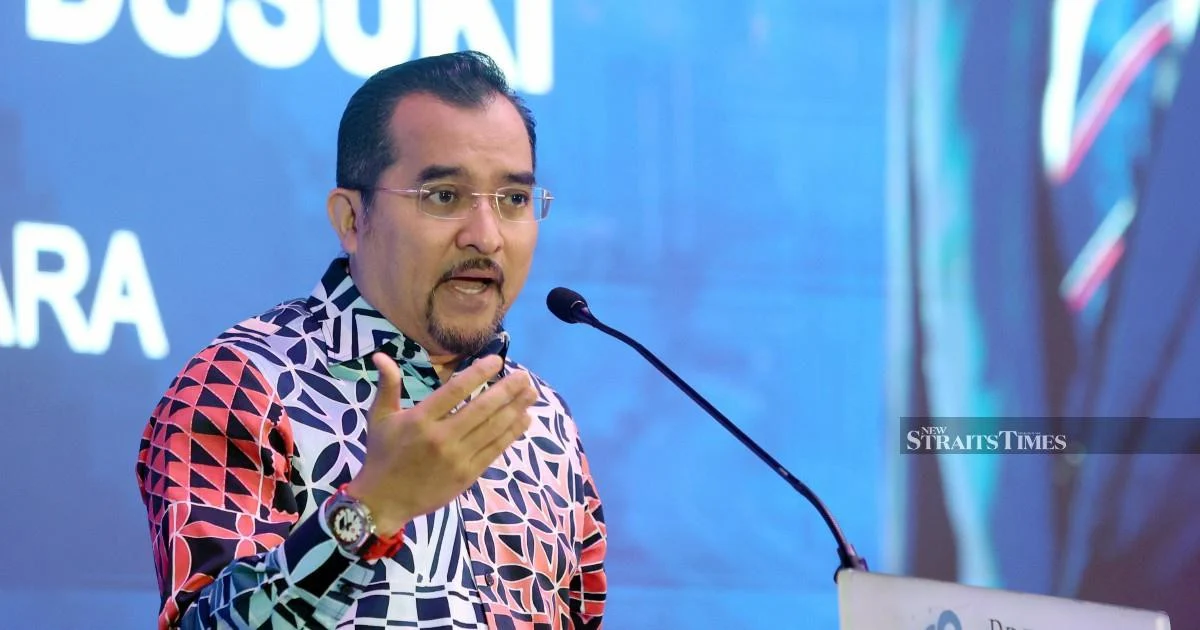
The Majlis Amanah Rakyat (MARA) has indicated it will not take institutional action against the six junior science college students implicated in a bullying incident at an MRSM campus in Johor until the Royal Malaysia Police concludes its full investigation. The state-owned organization, which oversees the nation's network of residential science colleges, has positioned itself carefully as an observer to law enforcement proceedings rather than as an institution acting in isolation.
This measured approach reflects the complexity surrounding allegations of student misconduct in Malaysia's educational sphere, where multiple stakeholders—educational authorities, law enforcement, parents, and the institutions themselves—must coordinate their responses. MARA's decision to await completion of the police inquiry demonstrates the organization's recognition that premature institutional discipline could interfere with the criminal investigation or weaken potential prosecution efforts. The investigation itself will establish factual findings and determine whether criminal charges are warranted, information that could materially influence MARA's own assessment of the situation.
Bullying incidents within Malaysia's MRSM system have periodically surfaced in public consciousness, generating concern among parents and educators about student welfare in residential settings. The MRSM colleges, which serve as pathways for talented students from diverse backgrounds to access quality science education, operate with heightened scrutiny precisely because they house vulnerable young people away from family oversight. When allegations emerge, the reputational stakes extend beyond individual students to encompass the institution's credibility and, by extension, public confidence in MARA's stewardship of these facilities.
The decision to defer action pending police completion speaks to institutional coordination challenges that often emerge when educational misconduct overlaps with potential criminal liability. If the police investigation establishes that criminal offences occurred—which bullying incidents can do if they involve physical violence, threats, or harassment meeting statutory definitions—then MARA's internal disciplinary processes would logically follow rather than precede law enforcement action. This sequencing protects the institution's position if cases proceed to court, as internal investigations conducted in parallel might be challenged as prejudicial or contaminated.
For parents of the accused students, the waiting period creates uncertainty about their children's educational future within the MRSM system. Similarly, the family of the bullied student faces the prospect of a protracted process before seeing institutional accountability measures implemented. This timeline tension—between the imperative for swift institutional response and the requirement to respect law enforcement procedures—represents an enduring challenge for Malaysian educational authorities attempting to balance transparency, fairness, and victim support.
The MRSM system comprises ten residential colleges across Malaysia offering science-focused curricula to secondary students identified as academically talented. These institutions maintain relatively rigorous behavioral standards, and serious misconduct can result in expulsion or suspension. However, invoking such measures prior to law enforcement clarity could expose MARA to claims that it acted precipitously or without sufficient evidentiary foundation. The organization's stated position therefore reflects both legal caution and procedural prudence.
Malaysia's approach to student misconduct has evolved gradually, with increasing recognition that bullying constitutes a serious matter extending beyond conventional school discipline. Various initiatives have attempted to instill awareness among students regarding cyberbullying, peer harassment, and the psychological impacts of targeted mistreatment. When documented allegations surface, particularly when they result in police referral, they test whether these awareness campaigns translate into institutional accountability.
The police investigation will likely examine the nature and severity of the alleged bullying, witness statements, and evidence of harm sustained by the affected student. Factors such as whether the conduct was isolated or sustained, whether it involved physical contact or purely verbal and psychological elements, and whether it occurred on campus or extended beyond school premises will all inform the investigation's conclusions. These findings will substantially shape both criminal prosecution decisions and MARA's own disciplinary calculus.
From a regional Southeast Asian perspective, Malaysia's handling of student misconduct within elite institutions carries broader implications. As other countries in the region grapple with rising awareness of bullying and mental health impacts on young people, institutional responses in Malaysia may serve as instructive examples or cautionary tales. The transparency with which MARA ultimately communicates its findings and disciplinary decisions could influence broader conversations about student safety and institutional accountability across the region.
The waiting period also provides an opportunity for MARA to prepare comprehensive policy responses and ensure that whatever disciplinary measures it eventually implements are proportionate, transparent, and grounded in established procedures. Educational organizations increasingly recognize that hasty responses to misconduct allegations, while appearing decisive, may ultimately undermine institutional credibility if they prove poorly calibrated or inadequately explained. MARA's current posture suggests recognition that measured deliberation serves institutional interests and, more importantly, the long-term welfare of the student community under its care.

