MARA has announced an ambitious personnel restructuring aimed at bolstering discipline and moral development across its network of residential colleges. The initiative, unveiled by MARA chairman Datuk Dr Asyraf Wajdi Dusuki on June 30, involves stationing four dedicated wardens at each MARA Junior Science College nationwide. These positions will be filled exclusively by former military personnel, selected through a rigorous vetting process in partnership with the Malaysian Armed Forces and other relevant government agencies.
The phased implementation reflects MARA's measured approach to institutional reform. Beginning with ten colleges this academic year, the scheme will scale progressively across the entire 58-institution network by January 2025. This timeline allows MARA to refine operational procedures and gather feedback from early adopter colleges before rolling out the programme comprehensively. Each institution will receive two male and two female wardens, ensuring balanced representation and addressing the specific needs of both male and female student populations.
The selection and appointment process has already advanced significantly. Screening for male wardens has concluded, whilst final evaluations for female personnel are expected to be completed within days. MARA's insistence on recruiting exclusively from the armed forces reflects a deliberate institutional choice rooted in recognising the occupational skills and cultural values that military service inculcates. The organisation views military-trained personnel as particularly suited to residential college environments, where maintaining standards requires both consistency and the ability to command respect through demonstrated discipline.
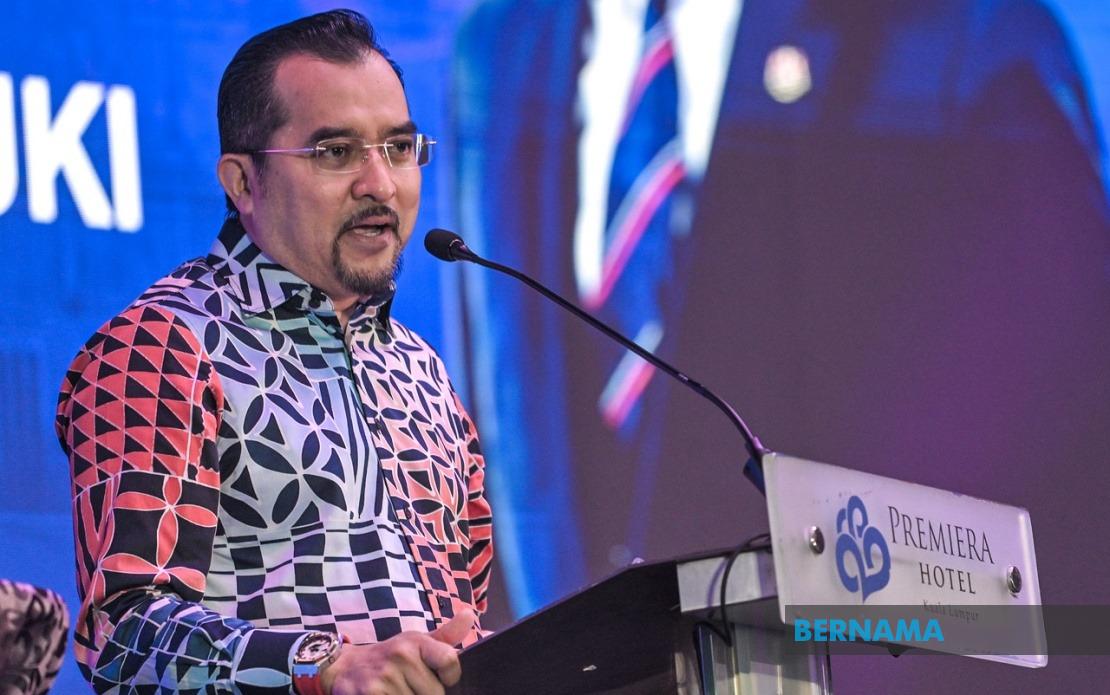
Asyraf Wajdi articulated the reasoning behind this strategic pivot during remarks at the 2026 MARA Educators' Awards Day at Premiera Hotel. The fundamental premise is that full-time dedicated wardens can relieve mounting pressures on teaching staff, who have historically shouldered warden responsibilities alongside instructional obligations. This structural adjustment acknowledges that teachers increasingly struggle to fulfil dual roles effectively, particularly in residential settings where pastoral care demands extend far beyond classroom hours. By employing specialised personnel, MARA aims to enhance supervision quality whilst enabling educators to concentrate on academic delivery.
The appointment strategy carries broader implications for Malaysia's approach to student welfare in elite educational institutions. MRSM colleges represent selective entry points into higher education and professional pathways, attracting academically accomplished teenagers from across the country. These institutions function as formative environments where character development ostensibly carries equal weight to intellectual achievement. MARA's decision to recruit military-background personnel signals confidence in that sector's capacity to model discipline, responsibility, and ethical conduct—values the organisation deems non-negotiable for its graduate profile.
Meanwhile, MARA has highlighted complementary achievements within its technical and vocational training divisions. Graduate employment outcomes in TVET programmes have reached 99.1 per cent, demonstrating the market viability of MARA's skills-focused curriculum. This statistic extends beyond mere employment figures; it reflects strategic partnerships forged with major multinational corporations seeking talent with Malaysian technical credentials. Samsung's recent recruitment of 700 MARA graduates at a starting salary of RM3,500 exemplifies how industry confidence translates into concrete economic benefits for graduates. Such outcomes validate MARA's educational model and underscore the value of vocational pathways within Malaysia's broader talent ecosystem.
The organisation's commitment to maintaining high academic and behavioural standards received further validation through targeted investment in top-performing institutions. MARA allocated RM145,000 for excellence programmes at five MRSMs identified as national leaders in the previous year's Sijil Pelajaran Malaysia examinations. This resource allocation recognises that institutions already achieving distinction require targeted support to sustain momentum and innovate further. By concentrating development funds on proven high-performers, MARA demonstrates faith in the existing quality whilst signalling that excellence is a destination to be continuously improved upon rather than a plateau to be maintained.
For Malaysian stakeholders observing MARA's trajectory, several developments merit attention. The ex-military warden initiative represents a deliberate repositioning of MARA colleges as disciplined, character-focused institutions in an era when educational discourse frequently emphasises competitive academics. This rebalancing reflects concerns—articulated periodically by educators and policymakers—that Malaysian secondary institutions sometimes neglect moral and behavioural dimensions in pursuit of examination rankings. By institutionalising dedicated personnel specifically tasked with pastoral oversight, MARA signals that such competencies are measurable, valuable outcomes meriting resource investment.
The initiative also carries implications for employment pathways within Malaysia's security and defence sector. Recruiting ex-military personnel into civilian institutional roles creates structured pathways for retired armed forces members, addressing broader questions about veteran reintegration and second-career development. This model could potentially inspire similar arrangements in other sectors seeking personnel accustomed to hierarchical environments, punctuality, and compliance frameworks. However, the success of such transitions depends heavily on whether military-trained individuals can adapt their communication and supervision styles to the distinct needs of adolescent populations in educational settings.
Looking ahead, implementation challenges will likely emerge as the programme scales. Consistency in warden training, clear delineation of authority between academic and pastoral staff, and mechanisms for addressing student grievances will require careful policy development. Additionally, MARA must monitor whether military personnel perspectives on discipline align with contemporary educational psychology regarding adolescent development and well-being. The programme's ultimate success will be measured not merely in disciplinary incident metrics but in whether MRSM graduates demonstrate the balanced development of intellectual capability, moral awareness, and social responsibility that MARA envisions for its institutional contribution to Malaysian society.

