Majlis Amanah Rakyat (MARA) has initiated a comprehensive review of the standard operating procedures that govern how students at its Mara Junior Science Colleges (MRSM) are permitted to leave campus, prompted by the recent disappearance of two teenagers from one of its premier institutions. The review comes following an incident in August where two Form Four students from MRSM Alor Gajah in Melaka went missing, sparking concern among parents and education officials about the adequacy of existing safeguards for young people in residential college care.
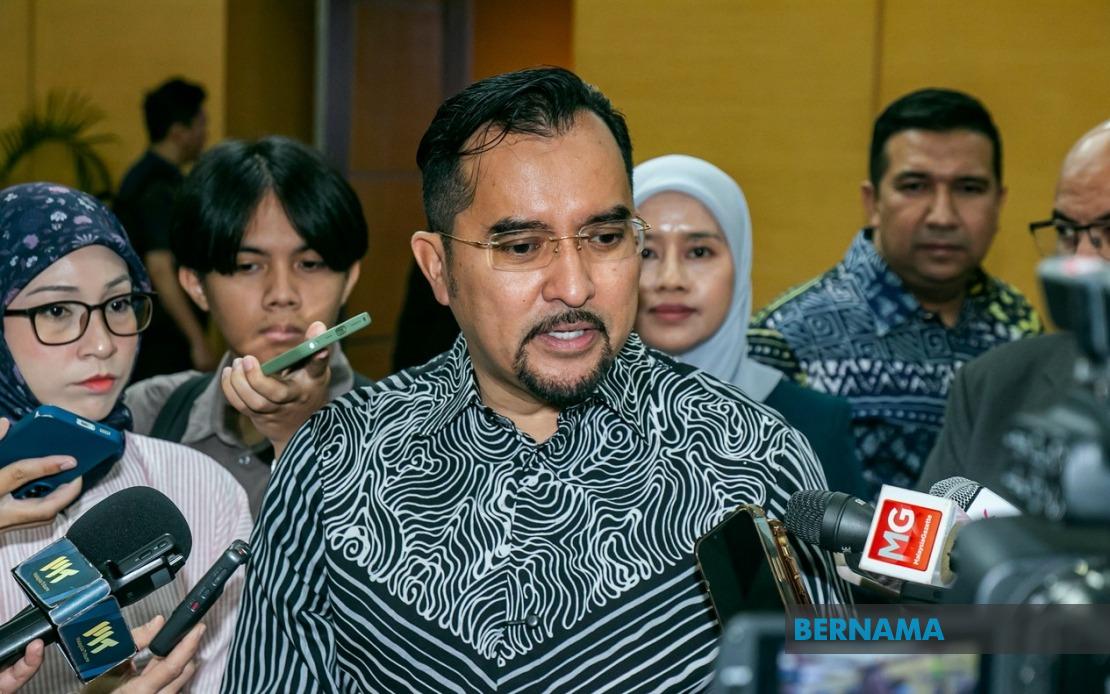
Datuk Dr Asyraf Wajdi Dusuki, who chairs MARA, characterised the August 11 disappearance as an exceptional occurrence rather than symptomatic of systemic failure. Speaking to journalists after attending the 2026 pre-departure programme for MARA-sponsored scholars, he cautioned against using this single incident as justification for sweeping restrictions that could compromise the educational mission and developmental opportunities that MRSMs are designed to provide. His comments reflect a delicate balance between acknowledging the legitimate concerns raised by the incident and maintaining institutional confidence in the college system.
The two students, both aged 16, were reported missing on August 11 following visits to a health clinic on campus. They subsequently disappeared from MRSM Alor Gajah under circumstances that remain subject to police investigation. Four days later, on August 15, they were located near Pasar Seni in central Kuala Lumpur, approximately 200 kilometres from the college. One of the girls experienced a severe panic attack upon discovery and required hospital treatment for psychological shock, raising questions about the circumstances surrounding their disappearance and the trauma they endured during their time away.
Under current MRSM protocols, students have been granted limited freedom to visit nearby towns on a restricted basis, typically once or twice per month, subject to specified conditions and without requiring teacher accompaniment. This policy reflects an institutional philosophy that adolescents benefit from graduated independence and opportunities to develop self-reliance and maturity during their time in residential education. The approach aligns with contemporary educational thinking that emphasises student autonomy development alongside pastoral care, though the August incident has prompted reflection on where appropriate boundaries should lie.
Ashyaf Wajdi emphasised that investigators and the institution itself require adequate time and space to conduct thorough inquiries before drawing conclusions or implementing policy changes. He disclosed that MARA leadership had been cooperating with police in Alor Gajah as part of the investigative process, though specific findings have not yet been made public. This measured approach contrasts with potential pressure to implement immediate restrictions that might satisfy anxious parents but could undermine the pedagogical objectives that justify residential college systems in the first place.
The disappearance represents a significant incident within the MRSM network, which serves as an important pathway for academically gifted students from lower-income backgrounds to access elite secondary education. These institutions operate under close scrutiny given their status as government-sponsored platforms for developing future national leaders and professionals. Any security or welfare concerns thus carry broader implications for public confidence in how the state manages its premier educational institutions and protects vulnerable young people in its care.
For Malaysian parents and the broader education community, the incident raises broader questions about balancing student welfare with developmental needs. MRSM colleges operate on the principle that residential environments provide structured independence that helps teenagers develop maturity, resilience, and self-direction before entering tertiary education or the workforce. Overly restrictive policies might protect students from specific risks but could diminish educational outcomes that justify the residential model. The challenge for MARA will be identifying procedural adjustments that enhance safety without fundamentally altering the character of these institutions.
The timing of this review comes as Malaysia continues grappling with broader concerns about child safety and welfare in institutional settings. Recent years have witnessed increased scrutiny of safeguarding practices across schools, colleges, and youth organisations, reflecting evolving social expectations about how authorities should protect minors. Within this context, MARA's measured response and commitment to evidence-based policy revision rather than reactive prohibition demonstrates institutional maturity, though it will require clear communication to reassure stakeholders that student welfare remains paramount.
The investigation findings, when eventually disclosed, will likely influence whether procedural adjustments prove necessary and what form these might take. Possible approaches could include enhanced communication protocols between students and parents during outings, modified check-in requirements, designated group outing arrangements, or improved liaison between campus authorities and local law enforcement. Such measures might provide additional oversight without eliminating the autonomous experiences that education leaders believe contribute to student development.
For Southeast Asian readers more broadly, the MRSM situation reflects common tensions within residential education systems across the region. Governments throughout the region operate prestigious boarding schools and colleges as mechanisms for social mobility and talent development, yet face recurring challenges reconciling institutional freedom with parental and public expectations regarding safety. How Malaysian authorities navigate these tensions may influence approaches adopted elsewhere, particularly within comparable systems in neighbouring countries.
Moving forward, MARA faces pressure to demonstrate that its review process is thorough and responsive while maintaining institutional confidence. Clear communication with parents, students, and educators about any procedural modifications will be essential for rebuilding confidence in the system. The ultimate test will be whether revised protocols successfully enhance student safety while preserving the residential college experience that has successfully developed generations of Malaysian leaders.

