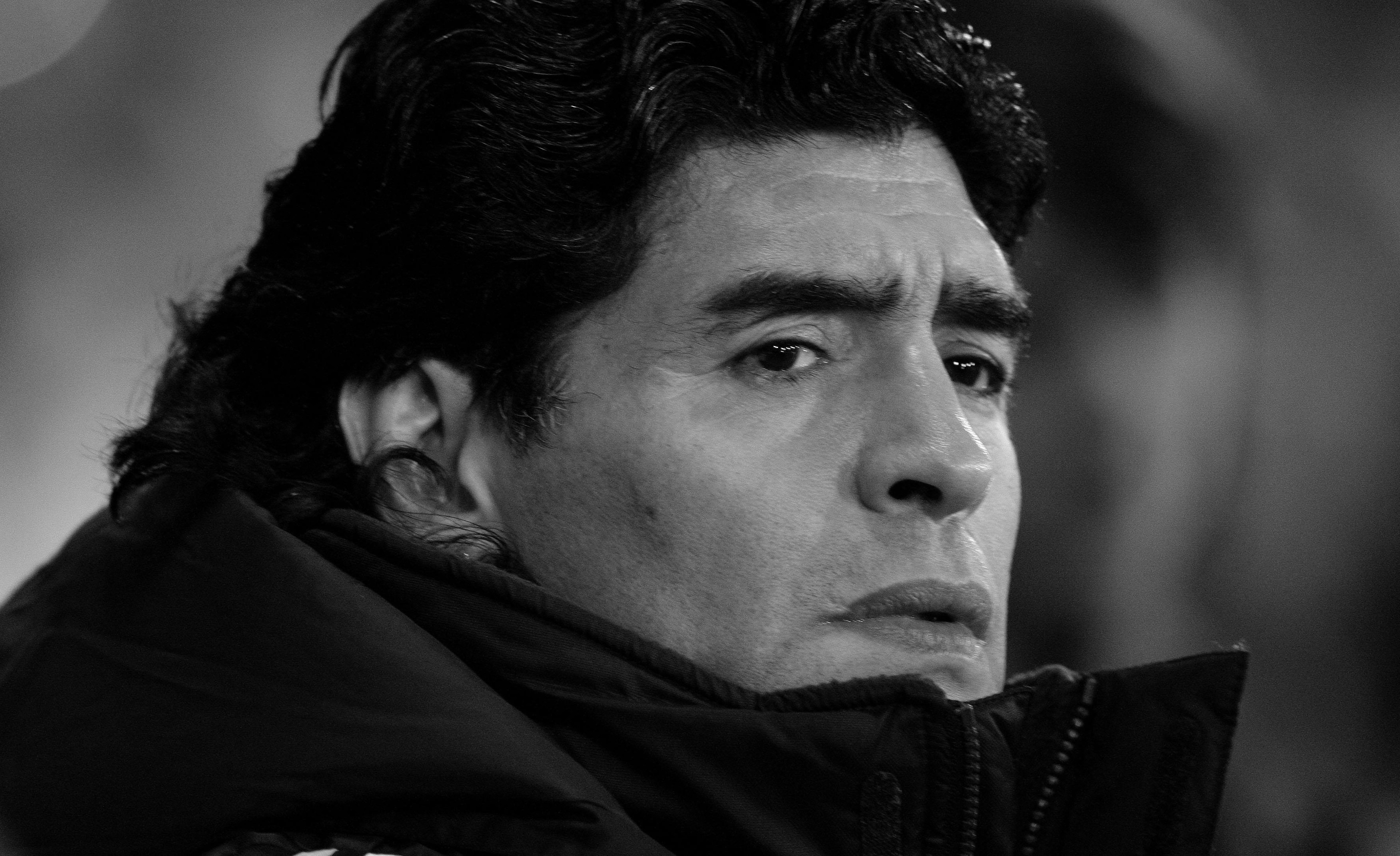
The ongoing trial investigating the death of Argentine football icon Diego Maradona has been temporarily suspended following a significant administrative error in the case proceedings. According to reports cited by the German Press Agency, kidney test results presented in court were allegedly attributed to the wrong person—Maradona's father rather than the football legend himself—raising fresh questions about the reliability of evidence being examined in this high-profile case.
Maradona, who led Argentina to victory in the 1986 FIFA World Cup, died on November 25, 2020, from a heart attack at the age of 60. His father, also named Diego, had passed away five years earlier in 2015. The confusion over these test results has prompted the court to order the seizure and verification of the actual medical documentation relevant to the case, with proceedings suspended for one week to allow for proper record verification and organisation.
The trial centres on allegations of manslaughter levelled against seven individuals involved in Maradona's care during his final months. The defendants include Leopoldo Luque, Maradona's personal physician; Agustina Cosachov, a psychiatrist; a psychologist; another attending doctor; a medical coordinator from his health insurer; and two carers. All parties have firmly denied the charges against them. Investigators suspect that serious lapses occurred in the home-care arrangements for the football legend, particularly in the weeks following his brain surgery.
Maradona underwent neurosurgery just weeks before his fatal heart attack, making the quality and standards of his subsequent medical supervision a central investigative focus. The prosecution's theory rests on the premise that negligence and mismanagement in his post-operative care directly contributed to his death, though the defence teams maintain that proper protocols were followed and that the defendants bear no criminal responsibility for his passing.
This trial has already endured significant procedural complications that have undermined public confidence in its integrity. A previous trial hearing was declared null and void in May of last year after running for just 21 days. That decision was triggered by the suspension of one of the three presiding judges, who was found to have been improperly involved in producing an unauthorised documentary film about the trial itself. Such conflict of interest concerns cast a shadow over the judicial process and necessitated a complete restart of proceedings.
The documentary involvement scandal exposed troubling questions about judicial impartiality and the separation between the courtroom and media narratives. The participation of a sitting judge in producing a film about the very case she was hearing raised fundamental concerns about the fairness of proceedings and whether decisions might be influenced by media considerations rather than pure legal analysis. This episode forced authorities to acknowledge that the first trial could not stand, requiring substantial investment in restarting the entire legal process from the beginning.
For Malaysian and Southeast Asian observers, this case illustrates the complex intersection of celebrity, medical accountability, and criminal justice systems. The prominence of the defendant—one of football's most legendary figures—has ensured intense global media scrutiny, which can sometimes compromise judicial processes, as evidenced by the documentary-making scandal. Similar high-profile cases across the region have struggled with managing public interest while maintaining procedural integrity.
The substantive allegations against Maradona's medical team reflect broader concerns about the standards of care provided to celebrities and wealthy individuals receiving private medical treatment. Questions about whether sufficient oversight exists, whether medical professionals maintain appropriate boundaries between personal loyalty and professional obligation, and how responsibility is apportioned when outcomes are fatal, resonate across healthcare systems internationally. The prosecutors' focus on alleged negligence in home-care arrangements suggests that even expensive private medical arrangements may fall short of necessary standards.
The document confusion that prompted the trial's suspension raises practical concerns about case management in complex prosecutions involving extensive medical and scientific evidence. Proper cataloguing, verification, and presentation of such materials are fundamental to ensuring that verdicts rest on accurate factual foundations. The court's decisive action in ordering verification and allowing the suspension demonstrates judicial awareness that proceeding on potentially compromised evidence could itself constitute a miscarriage of justice.
As the trial resumes following verification of the medical records, all eyes remain on whether the restarted proceedings can be concluded expeditiously and conclusively. The families of all parties involved—including Maradona's heirs—await clarity on accountability for the legendary player's death. The outcome will likely influence how similar cases involving medical negligence allegations are handled in Argentina's legal system and may contribute to broader discussions about protecting public figures receiving private medical care.

