The middle of August typically signals a slowdown in financial markets as traders take their summer holidays, but the coming fortnight presents a calendar packed with developments that matter to every corner of the investment world. From currency interventions in Asia to geopolitical haggling in the Middle East and crucial inflation data from Washington, market participants will find little time for rest. For regional investors watching currency movements and commodity prices, the convergence of these forces carries immediate practical consequences that extend far beyond Wall Street trading floors.
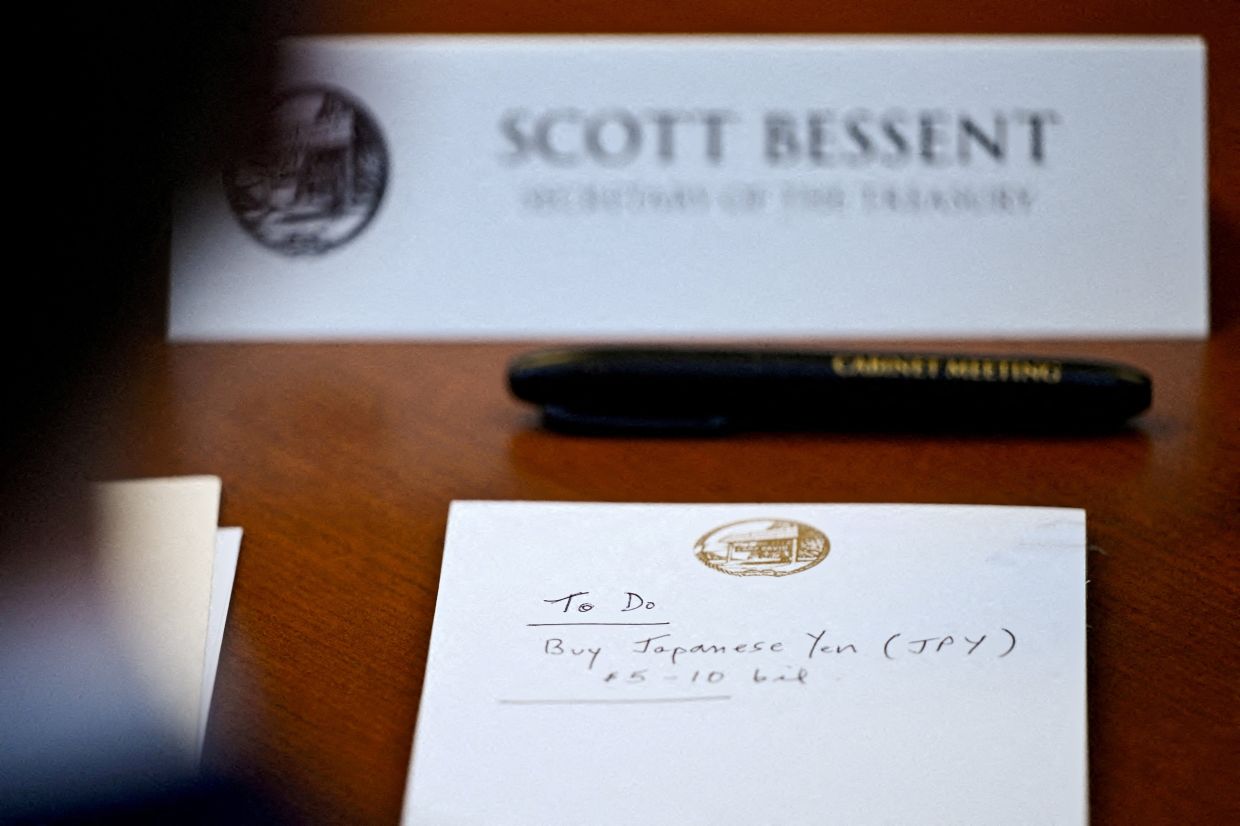
Japan's currency remains the flashpoint drawing global attention. The yen has sunk to levels unseen in four decades, a situation that inflicts genuine economic pain across the island nation. When a currency weakens this sharply, the price of imported fuel climbs, exacerbating an already fragile energy situation. Japanese policymakers have grown visibly frustrated, leading U.S. Treasury Secretary Scott Bessent to underscore American support through both public messaging and coordinated intervention. The appearance of yen purchases on his documented priorities suggested serious intent, and a rare joint U.S.-Japanese operation to arrest the yen's slide has momentarily calmed Tokyo officials. Yet the intervention raises as many questions as it resolves for currency traders monitoring the situation closely.
The mechanics of this currency operation contain subtle clues about deeper policy tensions. Authorities employed euros rather than dollars in conducting the intervention, a choice that analysts interpret as a deliberate signal. The preference for euros suggests the U.S. Treasury fears that a reversal of foreign central banks' Treasury holdings could strain American bond markets further. Such a development would represent a crack in the global financial architecture that has anchored the dollar's dominance for decades. This debate over the dollar's long-term reserve-currency status will not disappear quickly, and savvy investors are watching closely to understand whether the recent intervention portends a fundamental shift in how global monetary cooperation functions.
Beyond currency markets, the trajectory of Middle Eastern geopolitics introduces another layer of uncertainty that investors must navigate. Indirect talks between Iran and Oman are reportedly progressing toward an interim agreement that might grant Tehran control of passages through the Strait of Hormuz, a waterway through which roughly one-third of global seaborne oil transits daily. Notably, the United States has not yet been invited to endorse these negotiations, a conspicuous absence that underscores the fragile nature of any emerging accord. With the Gulf conflict now entering its twenty-fourth week, optimism about a lasting settlement remains muted. Yemen's Houthi militias, backed by Iran, continue launching attacks against shipping and Saudi Arabian targets, with the Red Sea emerging as another critical chokepoint for energy exports to international markets.
For American political leadership, the timing of these negotiations carries electoral significance that extends beyond geopolitical calculation. With midterm elections just five months away, the sitting president faces voter frustration over gasoline prices that stubbornly hover above four dollars per gallon. Although inflation has not deteriorated as catastrophically as some feared earlier in the year, the issue remains a political liability. Any diplomatic breakthrough, even a temporary one, that stabilizes oil markets would ease pressure on fuel costs and provide welcome breathing room before November ballots are cast. Meanwhile, investor sentiment appears buoyed by a combination of modest earnings growth expectations and enthusiasm about artificial intelligence productivity gains, creating a willingness to tolerate near-term uncertainty over shipping routes and geopolitical standoffs.
Americans watching the calendar should brace for a significant week of economic data beginning mid-week. The consumer price index for July arrives on Wednesday, with economists surveyed by Reuters expecting an annual increase of 3.4 percent. Core inflation, which strips away volatile food and energy categories, is anticipated to climb 2.5 percent year-on-year. A hotter-than-expected reading would confront Federal Reserve officials with a genuine policy predicament, particularly given that last week's employment report revealed unexpected job losses in July. Until recently, labor market strength had provided one argument for delaying rate increases, but that case has now weakened. Producer price data arriving Thursday will complete the inflation picture and could substantially shift market expectations about Fed intentions.
The inflation data holds outsized importance because it arrives just as the Federal Reserve faces an internal credibility test. Central bank officials held interest rates steady last month, but three voting members dissented in favor of an immediate hike, signaling internal division about the appropriate policy stance. Market pricing currently assigns roughly a 40 percent probability to a rate increase when the Federal Open Market Committee convenes in September, though the coming inflation releases could substantially revise those odds in either direction. Retail sales figures arriving August 14 will complete an especially busy week for economic releases, potentially offering clues about consumer resilience even as inflation persists above the Fed's 2 percent target.
The situation in Australia presents a markedly different calculus for policymakers in the Southern Hemisphere. The Reserve Bank of Australia faces its own decision Tuesday about whether to maintain interest rates while assessing whether three hikes delivered this year have sufficiently cooled inflationary pressures. Recent data showed consumer price growth decelerating during the June quarter, yet Governor Michele Bullock notably signaled readiness to lift rates further if circumstances warrant. Analysts anticipate the RBA will maintain a hawkish posture, keeping market participants uncertain about whether the rate-hiking cycle has concluded. Meanwhile, Norges Bank in Norway will convene Thursday under similar circumstances, expected to pause its own tightening campaign after core inflation slowed in June, though Norwegian officials similarly retain optionality to resume increases if needed.
Britain's economic health enters a critical moment as new Prime Minister Andy Burnham awaits GDP figures due Thursday. The report covers both the second quarter comprehensively and June specifically, with analysts watching for any signs of momentum after spring's sluggish performance. June retail sales printed stronger than anticipated, buoyed by spending linked to soccer events and warm weather conditions. Lower energy prices during that month, reflecting the temporary Iran nuclear accord period, may have also supported economic activity. However, the quarterly reading could disappoint, as robust growth during the first three months deteriorated noticeably through April and May. Burnham will be hoping for a surprise reversal similar to the euro zone's better-than-expected second-quarter expansion, with updated estimates for European growth also arriving Thursday. For Asian readers monitoring these developments, the synchronized nature of global economic indicators means that weakness or strength emanating from the world's largest trading blocs carries direct implications for regional growth trajectories and employment.

