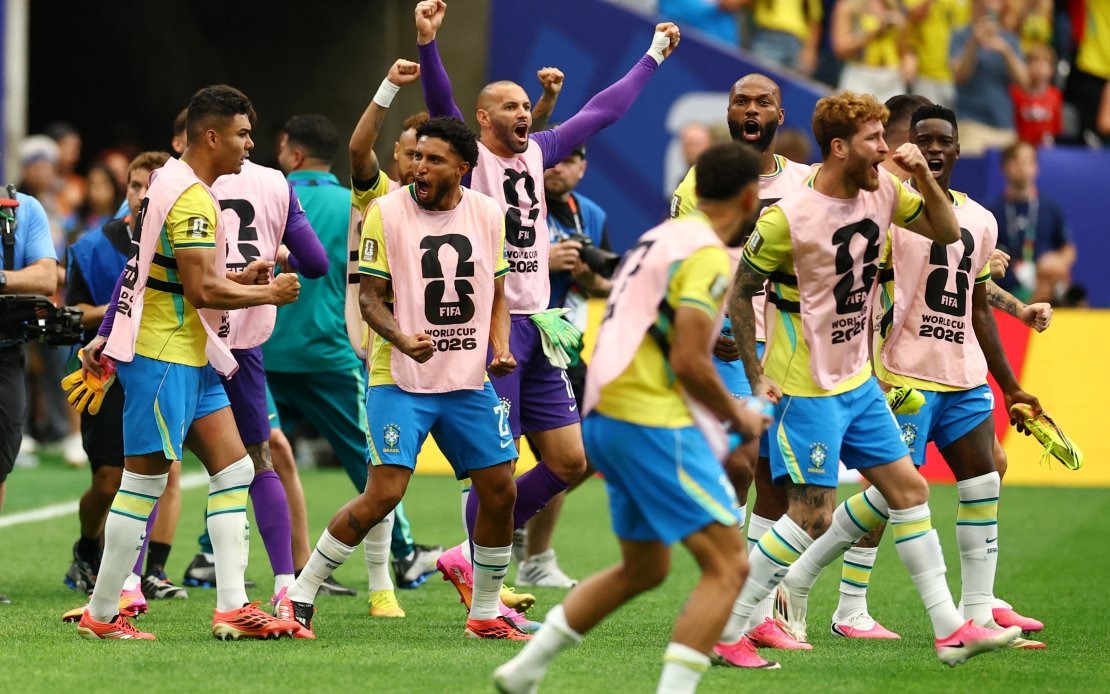
Gabriel Martinelli's clinical finish in the dying moments gave Brazil a 2-1 triumph over Japan in their World Cup round-of-32 encounter in Houston, sending the South American giants through to the last 16 where they will meet the winner of the Côte d'Ivoire versus Norway fixture. The dramatic conclusion capped a tightly contested match between two nations that had emerged from the group stage without defeat, with Brazil topping Group C on seven points and Japan securing second place in Group F with one victory and two draws.
The historical context between these teams adds intrigue to their knockout-stage clash. Brazil's record against Japan had been heavily one-sided at the World Cup level, with the Seleção winning their sole previous tournament encounter 4-1. However, that advantage counted for little in their most recent meeting last year when Japan produced a remarkable comeback to defeat Brazil 3-2 after trailing in the match. Such recent competitive history meant neither side could afford complacency, regardless of their respective group-stage credentials.
Brazil's early dominance suggested their experience might overwhelm their opponents. The South Americans controlled the tempo and territory in the opening passages, with Matheus Cunha forcing Zion Suzuki into a one-handed save during the 14th minute. The pattern indicated the five-time champions would gradually wear down their Asian opponents through sustained pressure and superior technical execution. Yet World Cup football rarely follows predictable trajectories, and Japan's tactical discipline would prove far more resilient than these early moments suggested.
The turning point arrived unexpectedly in the 29th minute when Japan broke the deadlock through a devastating counter-attack. Danilo's wayward pass fell to interceptor Kaishu Sano, who seized the opportunity to drive forward with purpose. The Japanese midfielder brushed aside the challenge of Casemiro before unleashing a powerful strike that evaded goalkeeper Alisson and nestled in the net. This goal represented Japan's clinical application of limited chances, a hallmark of teams that compete at the tournament's highest level through efficiency rather than overwhelming possession.
Brazil's response to falling behind demonstrated their championship pedigree. Though the five-time champions created several opportunities after conceding, few genuinely troubled Suzuki in the Japan goal, suggesting they lacked the cutting edge needed to swiftly equalise. The second half brought renewed intensity, with Bruno Guimaraes seeing his strike denied before Casemiro's header was blocked. The pressure mounted steadily until the 56th minute when Casemiro redeemed an earlier defensive lapse by heading home a Bruno Guimaraes cross to restore parity.
Vinicius Jr offered glimpses of the individual brilliance that characterises modern Brazilian football. Minutes after Casemiro's equaliser, the winger embarked on a mazy dribbling run that showcased his explosive acceleration and close ball control, yet his eventual strike cannoned against the post rather than finding the target. Such moments indicated Brazil possessed the creative ammunition to exploit Japan's defensive structure, though precision in the final third remained inconsistent throughout the encounter.
Brazil's relentless intensity in the closing stages eventually yielded reward in the deepest recesses of stoppage time, when Bruno Guimaraes delivered a precisely weighted pass that found Gabriel Martinelli unmarked inside the penalty area. The young forward demonstrated composure under pressure, keeping his cool to finish one-on-one against Suzuki and secure what proved the match-winning goal. Japan's attempts to engineer a late equaliser proved futile against a Brazilian side that had earned their passage through disciplined defensive organisation in the final minutes.
The victory carries significant implications for Brazil's World Cup trajectory. Advancing as winners against a Japan side that had demonstrated defensive solidity throughout the tournament suggests the Seleção possess the tactical flexibility and mental resilience required for a serious challenge at the competition's business end. The fact they required a stoppage-time goal rather than dominating throughout indicates the margins between progression and elimination have narrowed considerably in modern World Cup football, where tactical cohesion and set-piece organisation matter as much as individual technical excellence.
For Japan, their World Cup campaign ends with considerable credit despite the defeat. The nation that achieved only modest results in previous tournaments had elevated their performance markedly, competing on equal terms with a five-time champion until the final moment. Their group-stage progression and respectable showing in the knockout round represents tangible progress in their football development, even if ultimate success proved frustratingly out of reach when an opportunity to eliminate a heavyweight emerged briefly in stoppage time.

