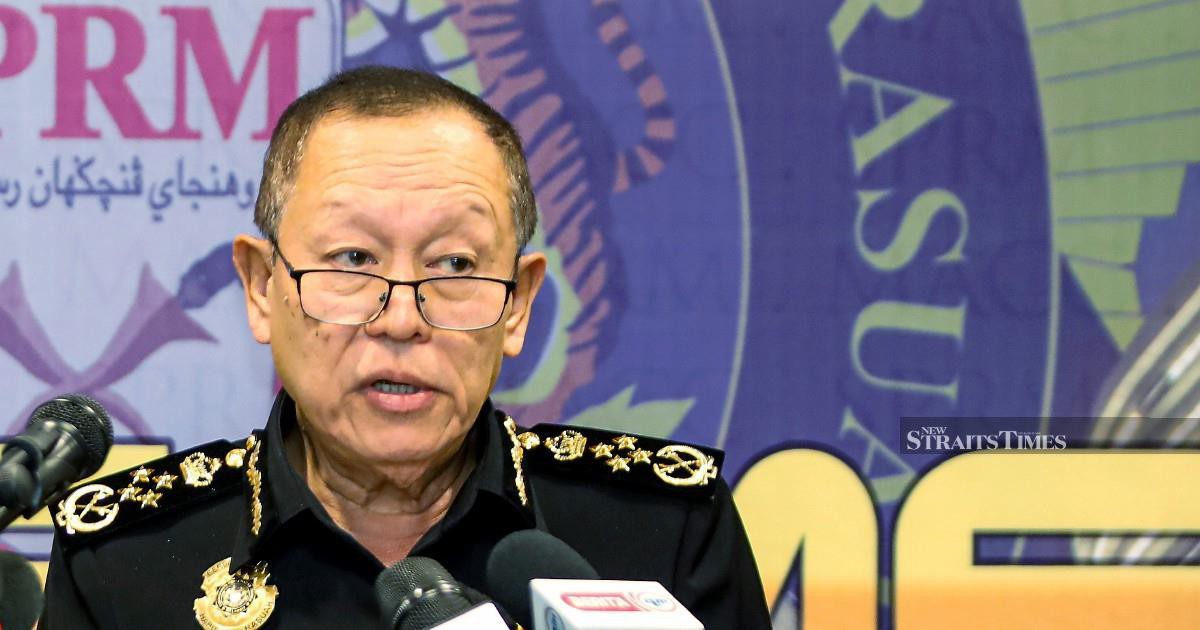
The Malaysian Anti-Corruption Commission has uncovered evidence suggesting a large-scale smuggling operation importing frozen chicken has been running largely undetected since around 2006, representing nearly two decades of illicit activity within the nation's food supply chain. The discovery came to light through Operation Chick, a dedicated enforcement initiative targeting irregularities in poultry imports. The revelation raises serious questions about regulatory oversight and the potential systemic vulnerabilities that allowed such an operation to persist for so long without comprehensive intervention.
The longevity of the suspected syndicate underscores the scale and sophistication of the operation, suggesting it likely involved coordination among multiple parties across logistics, port operations, and regulatory bodies. Such an extended period of undetected activity would have required careful management to avoid triggering suspicion—implying the network possessed either significant expertise in circumventing detection or tacit support from complicit officials. The fact that investigators are only now taking decisive action raises uncomfortable questions about the effectiveness of existing food import monitoring systems.
Operation Chick represents a coordinated response to what appears to be a well-entrenched smuggling apparatus. The MACC's focus on this issue suggests corruption may have enabled the syndicate's survival, with potential payments or favours extended to officials responsible for customs clearance, food safety inspections, and poultry market regulation. Such corrupt arrangements are not uncommon in food import scandals across Southeast Asia, where the sheer volume of goods and fragmented responsibilities create ideal conditions for illicit networks to flourish.
The implications for Malaysian consumers are significant. Frozen chicken from unsanctioned sources bypasses food safety inspections designed to protect public health, potentially exposing families to contaminated or substandard products. Local poultry farmers have also suffered through unfair competition from contraband imports sold at artificially low prices, undermining legitimate agricultural operations that comply with regulatory requirements and maintain proper standards.
For Malaysia's broader food security framework, the discovery represents a critical vulnerability. With poultry consumption among the highest globally per capita, the nation depends on reliable supply chains and rigorous oversight to maintain nutrition, affordability, and safety standards. A two-decade operation suggests the regulatory architecture may require substantial strengthening, including enhanced training for enforcement personnel, upgraded monitoring technology, and clearer accountability mechanisms for officials involved in port operations and food certification.
The timing of Operation Chick's disclosure also warrants attention. Public announcement of enforcement activities typically occurs after investigators have gathered sufficient evidence and made initial arrests or seizures. The scale of operations required to systematically dismantle a 20-year-old syndicate will likely span several phases, with additional arrests and seizures potentially emerging in coming weeks as authorities consolidate their findings.
Regionally, this case mirrors similar smuggling networks discovered in other Southeast Asian nations, where frozen protein imports—particularly chicken, fish, and beef—have been systematically diverted through informal channels. Neighbouring countries including Indonesia and Thailand have reported comparable operations, suggesting transnational coordination may be occurring. Such patterns indicate that addressing the issue effectively may require intelligence-sharing and enforcement cooperation beyond Malaysia's borders.
The financial dimensions of the operation remain to be fully quantified, but given the extended timeframe and likely volume of illicit imports, the economic impact on legitimate traders and tax revenue loss could be substantial. Preliminary investigations may reveal the extent of duties evaded and the total contraband value involved, figures that will help policymakers understand the magnitude of regulatory failure and guide remedial measures.
Moving forward, Malaysia's poultry sector—encompassing importers, processors, retailers, and consumers—will require restoration of confidence in supply chain integrity. This may involve enhanced labelling systems, periodic public assurance campaigns, and visible enforcement actions demonstrating official commitment to legitimate trade. Farmers, in particular, will expect clearer protection through stronger border controls and market monitoring.
The MACC's investigation highlights the critical importance of internal discipline within government agencies responsible for food imports. Training, rotation of personnel, regular audits, and whistleblower protection programmes can help reduce opportunities for corruption. Malaysia's experience with this syndicate should serve as a benchmark for reassessing vulnerability across other import categories—from medicines to manufacturing inputs—where similar systematic breaches might exist undetected.
As Operation Chick progresses, transparency regarding findings and enforcement outcomes will be essential to rebuild public trust. Detailed disclosure of how the network operated, which officials were implicated, and what systemic reforms are being implemented will demonstrate institutional seriousness about protecting both consumers and legitimate traders from ongoing exploitation.

