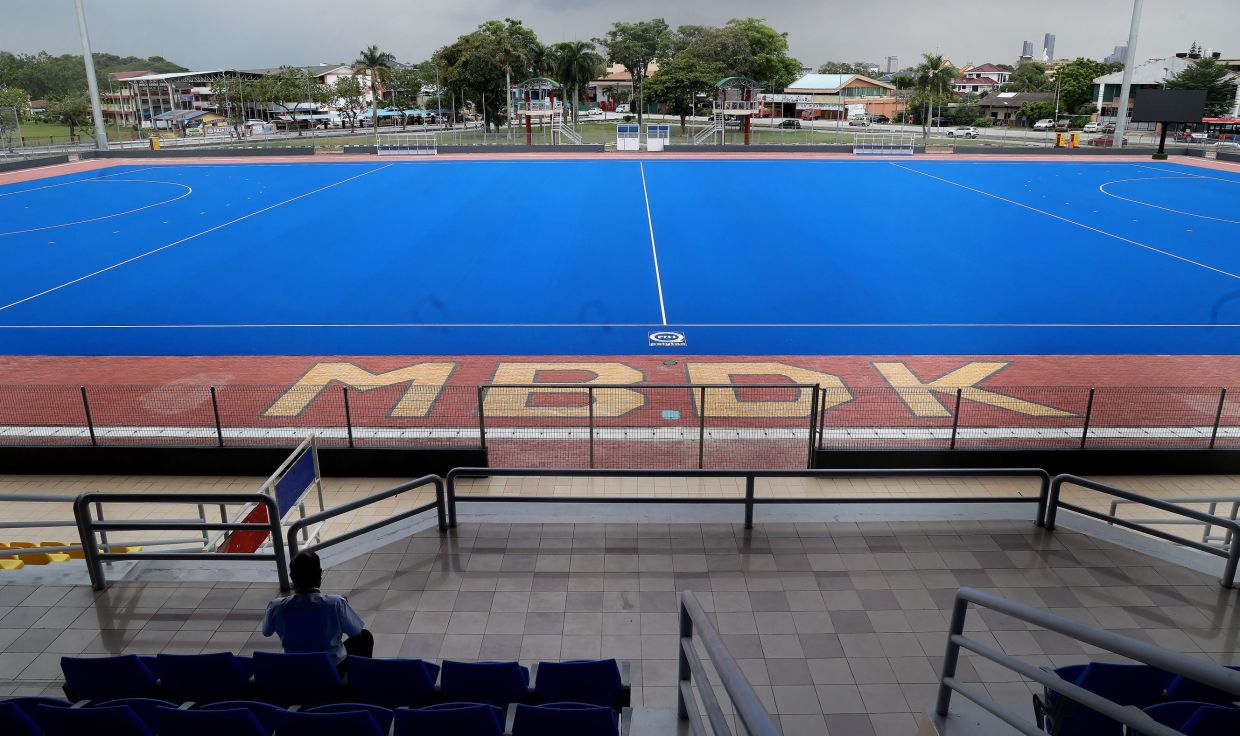
The Royal City Council of Klang (MBDK) has announced plans to entrust the management and daily operations of Pandamaran Hockey Stadium to the Selangor Hockey Association, marking a strategic decision to place specialist expertise at the helm of the upgraded facility. Located at the intersection of Jalan Sukma and Jalan Raja Lumu in the Port Klang district, the stadium represents a significant commitment to sports infrastructure in the region and comes at a crucial time as Selangor prepares to host major national sporting events.
Klang mayor Datuk Abd Hamid Hussain framed the decision as essential to ensuring professional stewardship of what he characterised as more than just a sports venue. The stadium functions as a strategic public asset requiring sophisticated management approaches that balance immediate operational efficiency with the facility's long-term viability. By delegating responsibility to the Selangor Hockey Association, MBDK aims to leverage the organisation's institutional knowledge and experience in hockey management, operations, and event delivery at competitive levels.
The refurbishment project, which consumed an estimated RM9 million in municipal resources, culminated in a soft launch ceremony held at 5pm on the announced date, accompanied by a test match featuring players preparing for upcoming competitions. This staged introduction allowed the city council to demonstrate the facility's readiness while providing practical validation of upgraded systems before the stadium enters full operational service.
The timing of the Pandamaran Stadium's completion aligns precisely with Selangor's upcoming role as host state for major sporting competitions. The 22nd Malaysian Games (Sukma 2026) is scheduled to run from August 15 to 24, with the parallel Para Sukma event following immediately from September 5 to 10. These competitions represent the premier national sporting spectacle, drawing thousands of athletes, officials, and visitors to Selangor and placing significant demands on venue infrastructure and operational capacity.
Datuk Abd Hamid articulated a vision of the stadium investment as more than mere capital expenditure, positioning it instead as a strategic initiative yielding measurable returns across multiple dimensions including athletic development, community health outcomes, and economic stimulation in the local area. This framing reflects broader Malaysian discourse about sports infrastructure as catalysts for broader social and economic benefits beyond the playing field itself.
To realise this vision, MBDK has committed to establishing a dedicated management team responsible for comprehensive oversight of stadium operations. This team will handle routine functions including maintenance protocols, security arrangements, promotional activities, and facility booking systems. The structural formalisation of these responsibilities represents a shift toward more systematic, transparent management of public sporting assets rather than ad-hoc or fragmented approaches.
The stadium's technical infrastructure has received substantial investment reflecting its intended purpose. The synthetic playing surface meets international specifications, while supporting systems including drainage architecture, floodlighting installations, electronic scoreboards, and athlete amenities such as changing facilities have all been upgraded to contemporary standards. This comprehensive approach ensures that degradation of any single component cannot compromise overall facility functionality.
Perhaps most significantly, Pandamaran Stadium has secured certification from the International Hockey Federation (FIH), a credential that carries substantial implications for the facility's future trajectory. This certification, valid through July 2, 2029, indicates that the stadium's design, construction, and operational protocols conform to international competition standards. The achievement represents tangible validation of stakeholder commitment and investment quality, as FIH certification requires rigorous assessment across multiple technical dimensions.
The international certification fundamentally alters the stadium's competitive positioning. Rather than functioning as a venue suitable only for domestic matches, Pandamaran is now qualified to host international tournaments and accommodate live global broadcasts of matches. This expanded capability opens pathways for the facility to attract competitions featuring representative teams from multiple nations and to generate broadcast revenue through media rights agreements.
The certification carries strategic implications for Klang's position within Malaysia's sports geography and tourism landscape. By establishing certified international-standard facilities, the city positions itself as a destination for major sporting events that demand high-quality infrastructure. This differentiation from other Malaysian municipalities could translate into sustained economic activity as sports tourists, visiting delegations, and event organisers recognise and select Klang as a preferred venue.
Datuk Abd Hamid emphasised the role this capability plays in elevating Klang's international sporting profile. The presence of FIH-certified facilities capable of hosting world-class competitions addresses a structural constraint that has historically limited Malaysian cities' capacity to attract major international sporting events. As Southeast Asian economies increasingly compete for sports tourism revenues and the prestige associated with hosting international competitions, such infrastructure investments become differentiating factors.
The economic stimulation potential extends beyond direct tournament revenues. International sporting events generate spending by visiting teams, officials, media representatives, and spectators in local hotels, restaurants, and retail establishments. For a port city like Klang with existing tourism infrastructure and accessibility to the broader Klang Valley market, such events represent valuable opportunities to activate existing capacity and demonstrate amenity value to potential business investors.
Looking forward, the partnership between MBDK and the Selangor Hockey Association will prove instrumental in determining whether the Pandamaran Stadium realises its potential as a driver of athletic excellence, community engagement, and regional economic dynamism. The success of this arrangement, particularly during the Sukma competitions, will establish precedents for how similar municipal investments in sports infrastructure should be managed across Malaysia.

