The Royal Klang City Council (MBDK) has transferred its investigation into a stray dog's death during a capture operation in Taman Teluk Gedung Indah, Port Klang, to the Royal Malaysia Police (PDRM), marking an escalation in a contentious animal welfare incident that has sparked significant public attention. The handover comes after what the council describes as interference by community members that escalated tensions at the scene and ultimately contributed to the animal's demise.
The enforcement operation unfolded on July 30 between 8.30 pm and midnight in response to escalating complaints from residents concerning the growing stray dog population and associated safety risks. MBDK deployed 11 personnel and a Health Department officer, alongside approximately 50 local residents, to address the mounting concern. The council conducted the operation under the authority of By-law 17(1) of the MPK Dog Licensing and Dog Breeding Establishment By-Laws 2007, with coordination from the Health, Community and Sustainable Development Committee. The area's elected representative was informed of the enforcement action in advance.
During the operation, MBDK personnel employed Loop equipment to capture dogs, a methodology mandated by Housing and Local Government Ministry (KPKT) standards that prioritises both operational safety and animal welfare considerations. The sweep proved initially successful, with 12 stray dogs captured using the standardised equipment. However, events took a troubling turn when officers encountered organised resistance to their duties.
The confrontation occurred at Jalan Sama Gagah 20 when a group of individuals—apparently pet owners or animal welfare advocates—moved to obstruct MBDK staff attempting to capture a dog roaming unsupervised on a public street. According to MBDK's account, one individual displayed aggressive behaviour by attempting to sever the Loop strap using a knife whilst simultaneously threatening self-harm should the dog not be released immediately. This escalation fundamentally altered the operation's character, transforming what had been a routine stray control measure into a crisis scenario.
The standoff between enforcement personnel and the obstruction group created conditions that made it impossible for MBDK staff to safely operate the capture equipment. The combination of physical struggle, heightened commotion, and safety concerns prevented officers from being able to properly loosen and remove the Loop mechanism, which directly contributed to the animal's death. In an effort to de-escalate the volatile situation and prevent injuries to personnel or bystanders, MBDK officers released the equipment. Police arrived subsequently to restore order and manage the distressed scene.
In response to the obstruction and threat, MBDK lodged a formal police report alleging that members of the public had impeded public servants from executing their lawful duties and had made threats involving a sharp weapon. These allegations open potential criminal avenues for investigation, including charges under statutes governing obstruction of public officials. The council has indicated its willingness to pursue appropriate legal consequences against anyone determined to have impeded its enforcement activities.
The incident reflects broader tensions within Malaysian society regarding animal welfare standards, the balance between public safety and animal rights, and the authority of municipal councils to enforce licensing regulations. MBDK has reiterated its commitment to executing enforcement operations with professionalism and adherence to animal welfare protocols. The council simultaneously emphasised that pet owners bear responsibility for properly licensing animals and preventing them from roaming freely, which it characterises as a public safety hazard.
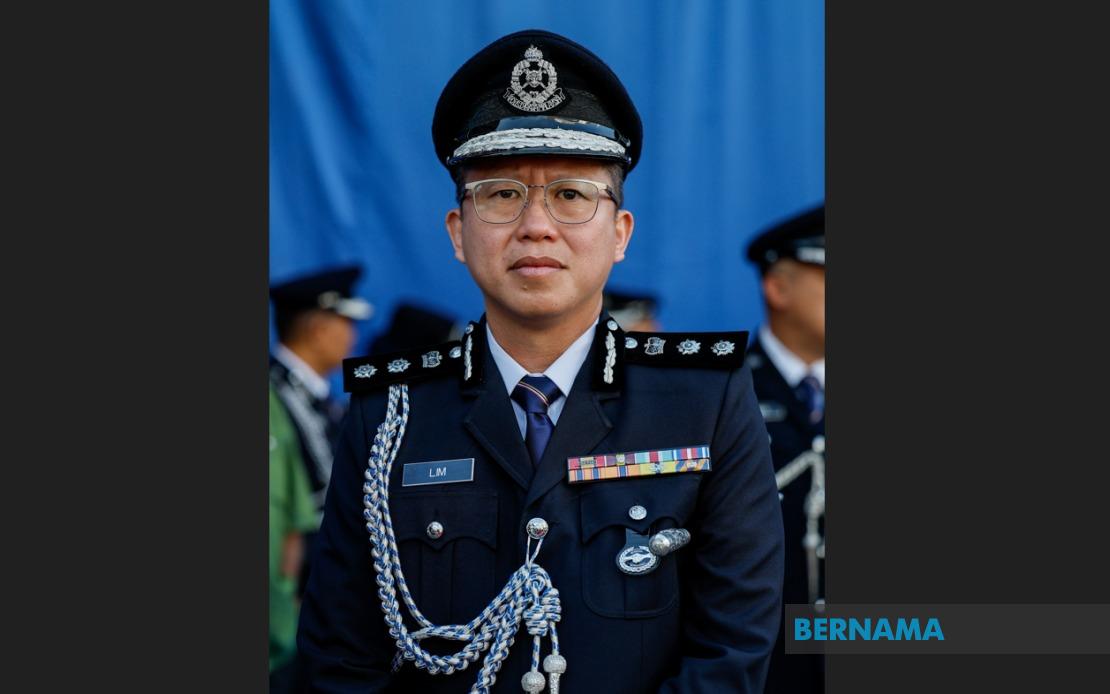
South Klang police chief ACP Lim Jit Huey confirmed that police had received formal notification of the incident and that investigations remain active. The police statement provided limited detail regarding the direction or scope of the inquiry, simply requesting public patience as the investigative process unfolds. The involvement of state police signals potential escalation to charges involving criminal conduct rather than purely administrative violations.
The incident has gained substantial traction through social media, with circulating video footage capturing the moments when community members demanded release of the captured dog before the animal was subsequently discovered lifeless. This digital documentation has amplified public engagement with the case and raised questions about procedural propriety, training standards, and whether alternative protocols might have prevented the tragic outcome. The viral nature of the content has intensified scrutiny on both MBDK's operational procedures and the conduct of those who intervened.
For Malaysian municipal authorities managing stray animal populations across urban areas, this incident presents cautionary implications regarding operational planning and community engagement. Port Klang's experience demonstrates the volatility that can emerge when enforcement objectives clash with community sentiment, particularly around animals. Other local councils may need to reassess whether current capture methodologies adequately address scenarios involving emotional public reaction or whether enhanced de-escalation training and communication strategies should precede enforcement operations in densely populated residential zones.
The transfer to police custody essentially removes MBDK from direct investigative responsibility, potentially allowing for more impartial examination of whether appropriate procedures were followed and whether criminal culpability attaches to any party. The investigation will necessarily examine both whether MBDK personnel adhered to established animal welfare standards and whether community members' actions constituted unlawful obstruction. This dual-track investigation may ultimately clarify the circumstances surrounding the dog's death and establish accountability appropriate to the facts uncovered.

