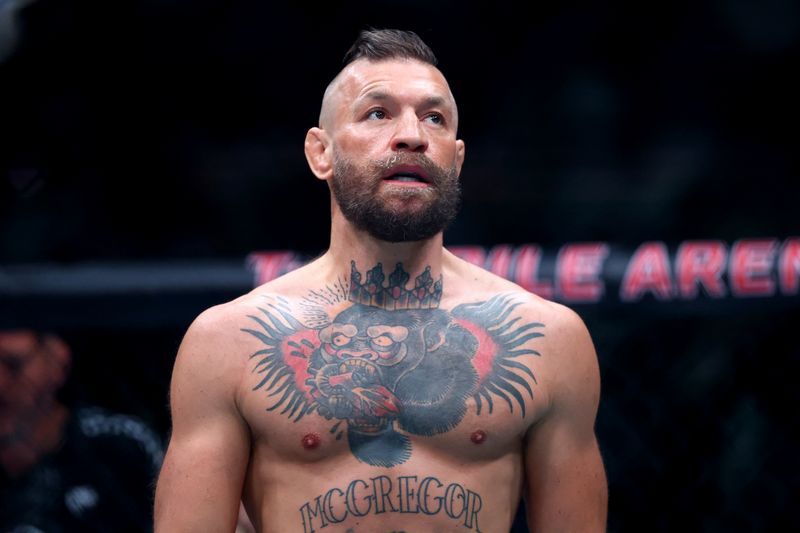
What was meant to be a triumphant return to competitive mixed martial arts for Conor McGregor turned into heartbreak within little more than a minute. The Irish fighting icon stepped into the octagon at UFC 329 in Las Vegas on Saturday against former featherweight champion Max Holloway, only to suffer a serious knee injury that forced him to abandon the contest moments into the opening round. The injury, sustained after an awkwardly executed flying kick, appeared immediately catastrophic, with McGregor signalling to the referee that he could not continue almost as soon as he landed.
McGregor's attempt to restart his combat sports career had already faced significant hurdles before this latest setback. The two-time champion at different weight divisions had not competed professionally since July 2021, when he suffered a leg fracture during his previous bout against Dustin Poirier. That three-year absence from active competition was itself remarkable for an athlete who had once dominated the sport's conversation, but the Irish fighter had repeatedly expressed his determination to return to elite-level competition and reclaim his position among the division's elite contenders.
The scheduled clash with Holloway carried substantial commercial and sporting appeal for the UFC, given McGregor's enduring marketability and the narrative potential of a rematch. Their first meeting came in December 2013, when McGregor secured a unanimous decision victory over what was then a rising prospect. In the intervening years, both men had established themselves as major figures in the sport, though on divergent trajectories. Holloway had developed into a formidable featherweight champion, while McGregor's career had become increasingly interrupted by injuries, legal matters, and regulatory investigations that extended beyond the cage.
The nature of McGregor's injury during this comeback attempt represents the latest chapter in a troubling pattern of setbacks that have plagued his professional life since 2021. Beyond the physical challenges of returning after extended absence, McGregor has navigated a complicated landscape of obstacles. In June 2024, a scheduled fight against American fighter Michael Chandler was cancelled after McGregor sustained a fractured toe during training camp, demonstrating the vulnerability that can arise when attempting competitive return following prolonged inactivity. These injuries accumulate not only as physical impediments but also as psychological reminders of how competitive sport at the highest level demands consistent preparation and conditioning.
Complications extending beyond the sporting arena have further complicated McGregor's recent years. An Irish civil court proceedings concluded in 2024 with a jury determination that the athlete bore legal liability regarding allegations stemming from 2018. Additionally, McGregor faced regulatory action from the Combat Sports Anti-Doping organization following what authorities described as whereabouts failures, which led to his acceptance of an eighteen-month suspension in October 2025. Though this ban was backdated to account for time already elapsed, it expired only as recently as March of the current year, meaning McGregor's return to active competition occurred virtually immediately after regulatory restrictions lifted.
Despite the disappointing conclusion to Saturday's encounter, Holloway indicated a willingness to provide McGregor with a rematch opportunity once the injury has healed sufficiently. Speaking immediately after the contest, the former champion acknowledged the significant anticipation and commercial investment surrounding their matchup. His expressed intention to revisit the pairing "one more time for the boys" suggests that the sporting storyline between these two fighters remains compelling within the promotional apparatus and among fans, even if this particular chapter concluded prematurely. Holloway's magnanimous stance reflects the professional respect often displayed between elite competitors, regardless of circumstantial disappointment.
The abrupt conclusion to McGregor's comeback attempt occurred during a card that featured other notable action, including a co-main event bout that similarly ended with startling rapidity. Britain's Paddy Pimblett required less than a minute to defeat France's Benoit Saint-Denis through submission in their lightweight encounter at the T-Mobile Arena, suggesting that the evening produced several unexpectedly brief contests across its marquee matchups. Such quick finishes, while dramatic, offer limited insight into the competitive standing of the athletes involved and leave audiences with unresolved questions about how a fuller contest might have unfolded.
For McGregor specifically, the injury sustained during this comeback attempt raises substantial questions about the physical demands of returning to elite competition after an extended absence, particularly at an age when recovery becomes increasingly challenging. The forty-year-old fighter had indicated determination to recapture the form that once established him as one of combat sports' most electrifying performers and highest-profile practitioners. Whether this latest setback represents a temporary obstacle or a more permanent impediment to his competitive ambitions remains an open question that will undoubtedly shape discussion within the fighting community and among the international audience that has followed McGregor's career throughout its various chapters.
The timing of this injury also occurs against a backdrop of McGregor's relatively recent clearance to resume competition following his regulatory suspension. Having endured a three-year gap between fights ending in 2021, followed by another gap of several years resulting from injury and suspension, rebuilding momentum within the sport's hierarchy demands sustained competitive activity rather than sporadic appearances. Each additional enforced hiatus compounds the challenge of regaining both the physical conditioning and competitive rhythm necessary to compete effectively against elite contemporary opponents who have maintained active schedules throughout the intervening period.

