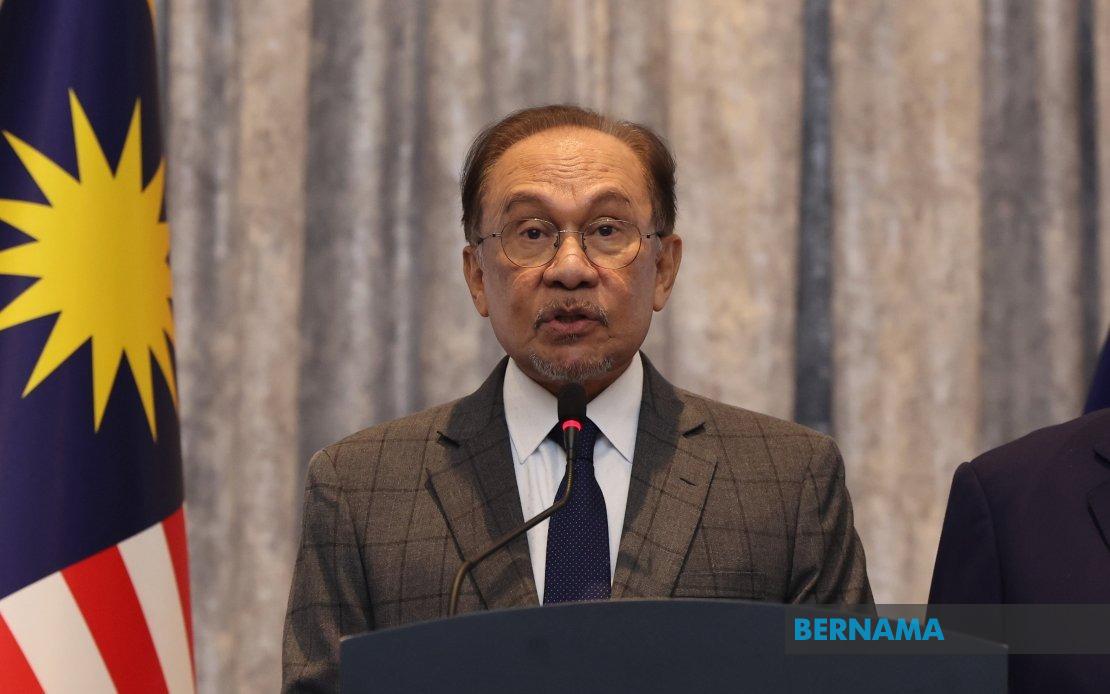
Prime Minister Datuk Seri Anwar Ibrahim has called on Malaysian media organisations to harness technological advancement responsibly, cautioning that rapid digitalisation without ethical moorings could undermine the country's sovereignty and journalistic integrity. Speaking at the Malaysian Press Night 2025 and Malaysian Press Institute-PETRONAS Journalism Awards 2026 in Kuala Lumpur on July 17, Anwar stressed that while freedom in information technology, digital platforms and artificial intelligence must be protected, these innovations cannot be allowed to operate in a moral vacuum.
The prime minister's intervention signals growing government concern about how Malaysia navigates the intersection of media modernisation and cultural preservation. His remarks underscore a central tension facing developing nations: the need to remain technologically competitive without surrendering editorial independence or absorbing foreign ideological frameworks through digital channels. This balancing act has become increasingly urgent as artificial intelligence and algorithmic content distribution reshape how information flows through societies, potentially amplifying narratives that serve external interests rather than local communities.
Anwar drew parallels between historical patterns of Western media dominance and contemporary technological influence, noting that what once manifested as colonial and political control now operates through digital infrastructure and data ecosystems. He invoked the concept of the "captive mind"—a Cold War-era term describing populations intellectually colonised by external powers—arguing that technology has become the primary mechanism through which this occurs in the modern era. The distinction matters for Malaysia, a nation navigating complex geopolitical relationships and vulnerable to competing narratives about development, governance and identity distributed through digital platforms.
The government's responsibility in this domain extends beyond rhetoric. Anwar highlighted the roles of Communications Minister Datuk Seri Fahmi Fadzil and the Malaysian Communications and Multimedia Commission in supporting the media industry through what he described as a "shared responsibility." This framing positions government institutions as enablers rather than regulators—a subtle but important distinction that suggests the administration intends collaborative rather than coercive approaches to technology governance. However, media practitioners and observers will likely scrutinise how such partnerships operate in practice, particularly regarding content moderation, digital literacy initiatives, and protections for investigative journalism.
The emphasis on maintaining national identity through technological adoption resonates with broader Southeast Asian concerns about cultural preservation amid globalisation. Malaysia's multicultural composition adds another layer to this challenge, as media institutions must serve diverse communities while avoiding fragmentation through algorithmic filter bubbles that reinforce existing divisions. The government's invocation of unity—Anwar stated "the country cannot afford to be divided"—suggests anxiety about technology's potential to amplify sectarian and communal tensions rather than bridge them.
Anwar's call for greater attention from columnists and opinion leaders reflects recognition that technological governance cannot be left to engineers and policymakers alone. Journalists and intellectuals must actively examine the implications of adopting particular platforms, data structures, and algorithmic systems, asking not only whether they work efficiently but whether they align with Malaysia's constitutional values and developmental aspirations. This intellectual dimension often receives insufficient attention in policy discussions focused primarily on infrastructure and investment.
The prime minister also commended institutions including the Malaysian Press Institute, PETRONAS, and the Malaysian Media Council for driving innovation and reform aimed at preventing Malaysia from becoming trapped in external narratives. These bodies occupy important middle ground between government and media, potentially facilitating dialogue and establishing shared standards without imposing top-down control. Their awards and initiatives can signal which journalistic practices and technological approaches the establishment values, subtly shaping industry direction through recognition rather than regulation.
For Malaysian journalists and media organisations, Anwar's remarks offer both encouragement and implicit warning. The government acknowledges press freedom and the importance of constructive criticism, yet frames these within a nationalist context emphasising sovereignty and cultural protection. This suggests space exists for robust reporting and editorial independence, provided the media remains attentive to how their technological choices might inadvertently serve foreign interests or undermine national cohesion.
The practical implications for Malaysia's media sector extend to newsroom practices, editorial policies, and infrastructure decisions. Should outlets prioritise algorithmic optimisation on global platforms, potentially distorting coverage toward sensationalism and international appeal, or invest in domestic distribution and community-focused journalism? How should they assess artificial intelligence tools that promise efficiency but may encode biases reflecting their developers' cultures? These questions lack neat answers, yet they define whether Malaysian media can authentically serve Malaysian readers while remaining globally competitive.
Anwar's warning about technological transition also applies to the broader political economy of information. As digital advertising revenue concentrates among foreign technology companies, local media outlets face pressure to conform content to algorithmic requirements rather than editorial judgment. The government appears concerned that this economic logic, left unchecked, could gradually shift Malaysia's media ecosystem toward reflecting external priorities. Supporting viable alternative models—whether through public broadcasting, reader funding, or philanthropic investment—may prove as important as ethical exhortation.
The timing of these remarks matters. Malaysia faces upcoming elections and navigates complex relationships with major technological powers. Media institutions increasingly scrutinise government claims and corporate practices, particularly regarding artificial intelligence applications in public administration and surveillance. Anwar's emphasis on values and ethics can be read as permission for such scrutiny, provided it remains grounded in national interest rather than foreign agendas or destabilising ideological capture.

