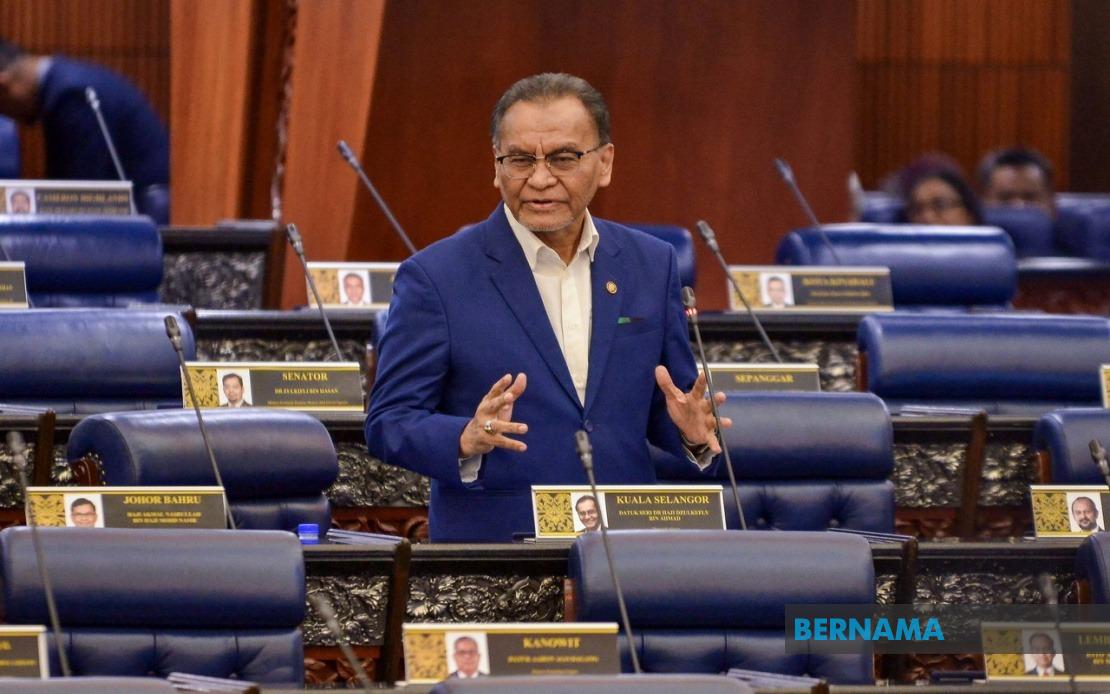
The Malaysian government is pursuing an expansive healthcare strategy designed to shield middle and lower-income households from mounting private sector medical costs while maintaining universal access through the public system. Health Minister Datuk Seri Dr Dzulkefly Ahmad unveiled the approach during parliamentary proceedings, emphasizing that multiple complementary initiatives—anchored by the newly introduced MediAsas Plan—form part of a coordinated effort to manage healthcare affordability across income brackets.
MediAsas represents a targeted intervention for the M40 group, a demographic segment earning between RM4,850 and RM10,970 monthly that increasingly seeks private healthcare alternatives but struggles with escalating premiums. The scheme operates as a medical insurance and takaful product with manageable premium structures, deliberately designed to address the gap between what public facilities offer and what private providers charge. By incorporating Diagnosis Related Group (DRG)-based payment mechanisms at participating private hospitals, the plan aims to standardize and moderate billing practices that have historically driven up out-of-pocket expenses for middle-income families seeking specialist care and elective procedures.
The rollout strategy reflects careful planning for market readiness. MediAsas will commence as a pilot initiative within the Klang Valley region before the calendar year ends, involving six insurance and takaful operators who will test the product's viability and refine operational processes. This controlled launch window provides regulators and participating insurers with critical data on utilization patterns, claims frequency, and pricing sustainability. Following this proof-of-concept phase, the scheme is scheduled for nationwide expansion beginning January 2027, allowing adequate time for institutional adjustments and consumer awareness campaigns across states with varying healthcare infrastructure.
Critically, the government has framed MediAsas as complementary rather than supplementary to Malaysia's foundational public healthcare system, which continues to provide universal coverage financed through tax revenue. This distinction matters considerably for policy coherence. Rather than signaling retreat from public provision, MediAsas operates on the premise that diverse income groups require differentiated solutions—a recognition that middle-income households often face barriers accessing both adequate public services during peak demand periods and affordable private care. By offering the M40 segment insured access to private providers at controlled cost, the strategy theoretically relieves pressure on already-stretched public facilities while preventing middle-income flight to unaffordable overseas medical tourism.
The broader RESET framework contextualizes MediAsas within a larger healthcare system reformation agenda. Beyond insurance products, the government is advancing electronic medical record interoperability across public and private sectors, a technical infrastructure change that reduces diagnostic duplication and unnecessary testing—a significant source of cost escalation. Simultaneously, regulatory restructuring of private hospital billing mechanisms targets the root causes of inflation rather than merely providing subsidized access to unchanged pricing structures. These complementary interventions suggest recognition that affordability challenges stem from systemic inefficiencies alongside income constraints.
For the B40 income bracket, existing protections remain in place through an extensive safety net comprising 154 hospitals within the private network that participate in subsidized schemes, over 3,000 public healthcare facilities, and targeted programs including PeKa B40, the MADANI Healthcare Scheme, and MySalam. This layered approach ensures that lower-income Malaysians maintain guaranteed access despite insurance gaps, though the adequacy and accessibility of these facilities varies geographically—a persistent challenge in states with dispersed populations and limited specialist infrastructure.
The focus on pre-existing conditions, non-communicable diseases, and mental health coverage within MediAsas addresses increasingly prevalent healthcare challenges that many traditional products historically excluded or severely limited. The rising burden of diabetes, hypertension, and cardiovascular disease within the Malaysian population—exacerbated by aging demographics—makes affordable coverage for chronic conditions essential. Similarly, the explicit inclusion of mental health protections signals shift in national health policy toward recognizing psychological and psychiatric care as integral rather than peripheral, responding to documented increases in anxiety, depression, and stress-related disorders across income groups.
The MediAsas framework carries significant implications for Southeast Asia's healthcare landscape. As regional peers including Indonesia, Thailand, and the Philippines grapple with similar healthcare affordability crises, Malaysia's approach of combining targeted insurance products, public system strengthening, and regulatory reforms offers a tested model. The scheme demonstrates how middle-income countries can leverage insurance mechanisms and private sector participation without dismantling public provision—a balance that many regional governments struggle to achieve amid fiscal constraints and rising demand.
Implementation success hinges on several practical factors. Premium pricing must remain genuinely affordable for M40 households, requiring careful actuarial work to balance claims reserves against affordability targets—a tension that historically derails well-intentioned schemes. Participating private hospitals must genuinely accept DRG-based payment reductions rather than compensating through ancillary charges, requiring regulatory monitoring and enforcement capacity. Provider networks must be geographically distributed sufficiently to ensure meaningful access beyond major urban centers, preventing the scheme from becoming de facto limited to Klang Valley despite national scope. Consumer awareness and enrollment campaigns will prove critical, as middle-income households often remain unaware of available programs or mistrustful of government-backed insurance products based on past experiences.
The timing of MediAsas introduction coincides with broader policy emphasis on protecting household purchasing power and managing cost-of-living pressures, positioning healthcare affordability within the government's wider economic agenda. As inflation continues affecting medical service costs, schemes enabling predictable insurance premiums provide households with budget certainty while reducing catastrophic health expenditure risks that can trigger financial crises within middle-income families. This economic stabilization dimension extends healthcare policy into broader household welfare and financial inclusion frameworks.

