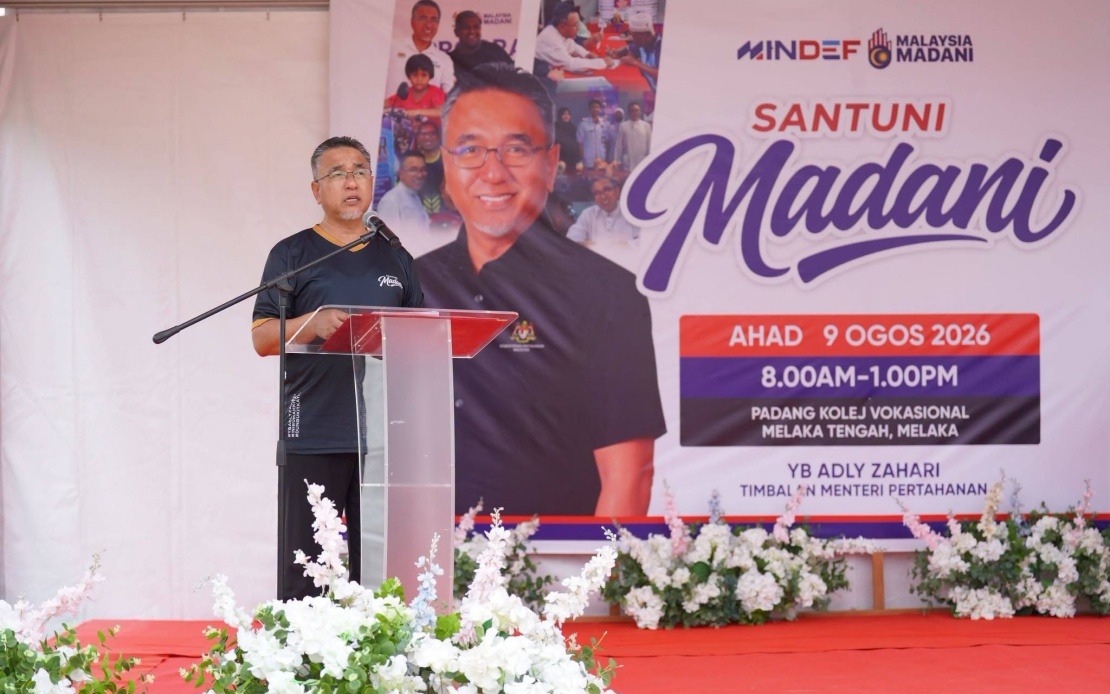
Melaka's Pakatan Harapan is actively exploring coalition options with other political parties for the upcoming state election, though formal agreements remain unsigned. The coalition's readiness to negotiate reflects broader strategic calculations about expanding its presence in the state assembly, where it currently holds a modest foothold that leadership believes can be substantially improved through various partnership arrangements.
Adly Zahari, chairman of Melaka PH, made clear that the coalition operates within a framework of democratic pragmatism. Multiple rounds of internal meetings have already assessed the coalition's competitive standing across key constituencies, yet the machinery continues to focus primarily on consolidating strength within PH's own ranks before pursuing external alliances. The chairman's remarks suggest that any final decisions on cooperation formats and seat allocations will emerge only after comprehensive evaluations of the political terrain.
The coalition's openness to cooperation extends broadly across the political spectrum, though the discussions remain preliminary. Adly stated that negotiations could involve any interested party willing to align with the Malaysia MADANI agenda's core values and aspirations. Notably, the coalition has not yet engaged in formal talks with Barisan Nasional in Melaka, despite the two political blocs governing together in the federal Unity Government arrangement. This separation reflects the complex and historically contentious state-level dynamics of Melaka politics, where local circumstances often diverge markedly from national coalition frameworks.
Melaka PH's current position within the state assembly is relatively constrained. The coalition captured five seats in the previous election from a total of 28 available positions, a result that leadership views not as a ceiling but as a foundation for expansion. The party is conducting detailed assessments of its competitive strength in the three parliamentary constituencies it currently dominates—Alor Gajah, Kota Melaka, and Hang Tuah Jaya—while simultaneously evaluating growth potential in constituencies where it has weaker but developing presence, including Tangga Batu, Masjid Tanah, and Jasin.
This methodical approach to seat targeting reflects the serious electoral challenge facing PH in Melaka, where the political landscape remains fragmented and competitive. The coalition's optimism about seat gains rests on granular constituency-level analysis rather than broad demographic assumptions. Leadership has explicitly positioned the coming election as an opportunity to demonstrate sustained growth and momentum, suggesting that internal party morale depends partly on tangible evidence of electoral progress. The focus on core constituencies suggests a strategy of deepening penetration in strongholds before expanding into less favourable terrain.
The PKR perspective on Melaka's political situation underscores the distinctiveness of state-level dynamics that do not simply mirror national coalition arrangements. Adam Adli Abd Halim, acting chairman of PKR's state leadership council, acknowledged that Melaka's political environment presents unique conditions requiring careful navigation. While no formal negotiations with Barisan Nasional have commenced, informal communications and discussions occur continuously between individual representatives and party bodies. This distinction between formal negotiation and ongoing dialogue allows political actors to maintain multiple options without binding commitments.
For Malaysian observers tracking coalition politics beyond the peninsula's major states, Melaka represents a instructive case study in how the Unity Government's national framework plays out imperfectly at the state level. The unwillingness or inability of Pakatan Harapan and Barisan Nasional to immediately coordinate in Melaka, despite sharing power federally, reveals the persistent salience of state-level party dynamics, historical rivalries, and local power structures. These considerations often override the convenience of national-level coalition logic.
PKR's emphasis on disciplined public conduct reflects broader coalition concerns about maintaining social consensus in an increasingly fractious political environment. State assemblymen have been instructed to prioritise constituent service and governance responsibilities over political grandstanding, a directive intended to shield the coalition from accusations of putting partisan interests ahead of public welfare. This positioning proves particularly important in Melaka, where previous political controversies have eroded public confidence in political institutions and created voter appetite for less divisive approaches to governance.
The timing of these explorations matters significantly for Melaka's political trajectory. Opposition forces and rival coalitions will certainly monitor how PH approaches seat allocation and alliance negotiations, using any perceived weaknesses as justification for their own counter-positioning. The coalition's public statements about openness to cooperation may reflect confidence about its negotiating position, or alternatively, acknowledgment of the need to build broader alliances to achieve meaningful gains. The coming months will reveal which interpretation proves more accurate.
For Southeast Asian observers, Melaka PH's approach illustrates how Malaysian state politics routinely generate complexity that national-level coalition frameworks struggle to encompass. The negotiation of formal cooperation agreements, seat-sharing arrangements, and campaign coordination between parties will require detailed compromise on specific constituencies, symbol allocation, and campaign resource distribution. These granular negotiations typically proceed slowly and face resistance from party cadres protective of their own electoral territory and organisational autonomy.

