Melaka's state-owned river cruise operator is pushing hard to deliver ambitious passenger numbers as it seeks to cement the scenic waterway experience as a cornerstone of the state's tourism offering. The Perbadanan Pembangunan Sungai dan Pantai Melaka (PPSPM) believes it can achieve its target of one million passengers on the Melaka River Cruise by the end of this year, building on solid progress through the first half of 2024. The optimism reflects growing confidence in domestic and international demand for the iconic cruising experience that has become synonymous with Melaka's tourism brand.
Through June, the operator had already transported 350,000 passengers along the gentle waters of the Melaka River, leaving roughly 60 per cent of the annual target still to be realised over the remaining months. PPSPM chief executive officer Shaharul Azuar Idris outlined the strategy for closing that gap, emphasising a multi-pronged approach combining competitive pricing, enhanced service offerings, and a sophisticated promotional push both within Malaysia and internationally. The approach reflects lessons learned from previous years and a recognition that the sector must continually innovate to maintain visitor interest in an increasingly competitive tourism landscape.
The cruise operator is introducing specially packaged experiences at discounted rates designed to appeal to budget-conscious travellers while maintaining revenue targets. These offerings form part of a broader effort to position the Melaka River Cruise not merely as a pleasant diversion but as an essential experience for anyone visiting the heritage state. The messaging has shifted from promoting the cruise as one option among many to presenting it as a must-visit attraction that captures something unique about Melaka's character and appeal. This reframing requires sustained promotional investment and careful coordination with tourism boards and travel agencies across the region.
Operational improvements underscore PPSPM's commitment to sustaining growth beyond promotional cycles. The organisation currently operates a fleet of 60 boats, with 30 dedicated to Melaka River Cruise services and an equivalent number serving the separate Eco Cruise experience at Tasik Chinchin. The company has recently upgraded premium vessels including the 'Everlasting Love Boat' and 'Tun Khalil Cruise', incorporating enhanced amenities and dining-on-board packages that appeal to higher-spending tourists and special occasion visitors. These vessels represent an attempt to segment the market more effectively, offering tiered experiences that capture different customer preferences and spending capacity.
Plans to introduce newer boats equipped with advanced technology remain under evaluation, indicating that capital expansion discussions are ongoing within the organisation. Such additions would allow PPSPM to manage capacity more flexibly during peak seasons and to present a more modern, comfortable experience to international visitors increasingly accustomed to contemporary maritime facilities. The investment question reflects broader tensions in tourism infrastructure spending, where operators must balance growth ambitions against financial prudence and the need to justify major capital outlays through demonstrated demand.
Safety and passenger comfort have emerged as operational priorities, with PPSPM indicating that continuous enhancement of boat services forms a cornerstone of its customer retention strategy. This emphasis carries particular weight given that tourism incidents, however rare, can rapidly damage destination reputation. By publicly committing to safety improvements and comfort upgrades, the operator signals to potential passengers that their wellbeing matters and that PPSPM takes its responsibilities seriously. Such assurances become increasingly important as the operator seeks to attract international visitors unfamiliar with the Melaka River experience and who may harbour uncertainties about safety or service standards.
The government has thrown additional support behind the cruise operator's growth ambitions through the Melaka Sayang Rakyat (MeSRa) initiative, which will provide more than 5,000 free cruise rides to coincide with National Day celebrations on August 31. This subsidy programme accomplishes multiple objectives simultaneously: it builds goodwill among the state's residents, generates positive public relations for the ruling administration, and introduces thousands of new potential customers to the product. Free or heavily subsidised trials serve a critical marketing function, allowing first-time visitors to experience the cruise and potentially become repeat paying customers. The timing around National Day also imbues the programme with patriotic undertones, positioning the cruise as part of broader national celebration.
Logistical planning for the August 31 promotion underscores operational scalability concerns that PPSPM must address. The operator has committed to ensuring adequate staffing and sufficient boat availability to prevent extended waiting times, recognising that poor first-time experiences during heavily subsidised promotional periods could undermine the entire initiative. Managing queues and minimising delays becomes especially critical when passengers are receiving free or subsidised access, as service quality becomes the determining factor in shaping attitudes toward paid future visits. The commitment reflects experience from previous promotional campaigns and a maturing understanding of customer service expectations in the tourism sector.
The broader context for PPSPM's ambitions includes intensifying regional competition for tourist dollars as Southeast Asian destinations increasingly target the same source markets. Melaka competes not only with other Malaysian attractions but with river cruise experiences in Thailand, Cambodia, and Vietnam that offer their own cultural and scenic appeals. The one million passenger target must therefore be understood against this competitive backdrop, where achieving growth requires not simply maintaining existing appeal but continuously enhancing the product and marketing message. The regional dimension means that marketing campaigns promoting the Melaka River Cruise operate alongside efforts to position Melaka more broadly as a heritage destination offering distinct experiences unavailable elsewhere.
Investment in premium boat experiences and dining packages reflects recognition that contemporary tourism increasingly emphasises experiential consumption rather than simple sightseeing. Visitors increasingly seek opportunities to blend scenic appreciation with culinary experiences, entertainment, or special occasions such as proposals or anniversaries. By offering dining-on-board packages on upgraded vessels, PPSPM taps into this trend while also capturing additional revenue per passenger. The strategy mirrors approaches adopted by successful tourism operators globally and suggests that PPSPM leadership understands contemporary market dynamics and visitor preferences.
The Melaka River Cruise's role within the state's tourism economy extends beyond direct passenger revenue. The cruise experience generates secondary economic activity through hotel demand, restaurant visits, shopping, and other leisure spending as visitors extend their stays to take advantage of complementary attractions. PPSPM's growth targets therefore carry implications beyond the operator's own financial performance, touching on broader economic development in Melaka. State officials including Chief Minister Datuk Seri Ab Rauf Yusoh have positioned tourism expansion as central to economic diversification, particularly important given the state's heritage status and limitations on large-scale manufacturing development.
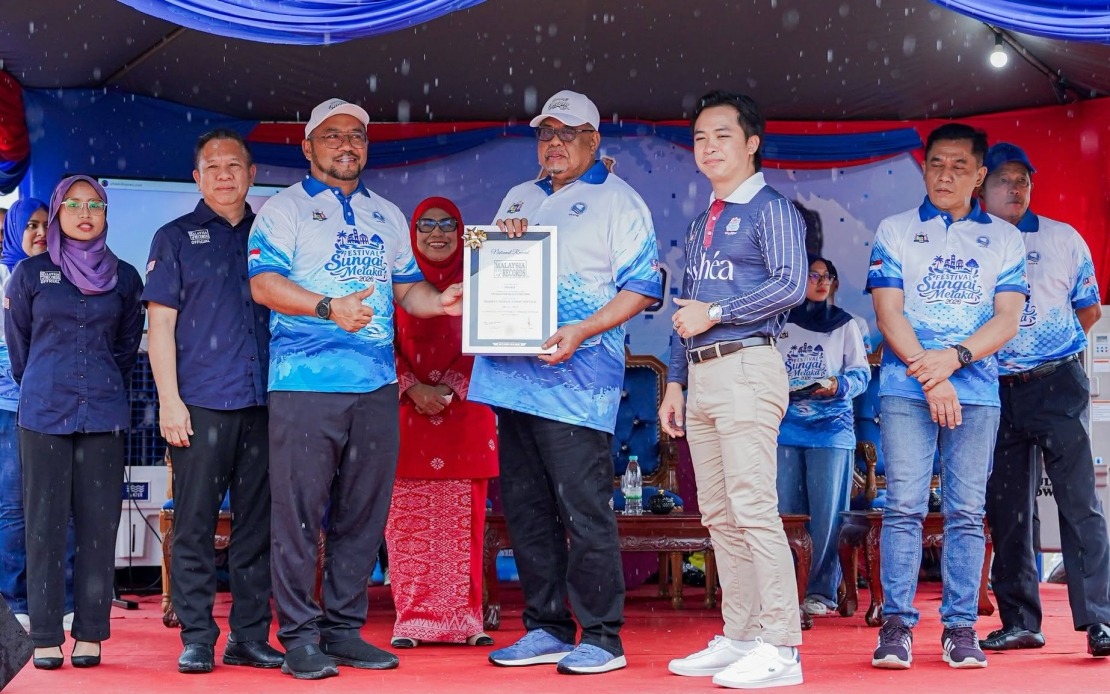
The presentation of the Malaysia Book of Records certificate and prizes to Melaka River Festival 2026 winners, which accompanied PPSPM's passenger target announcement, adds ceremonial weight to the operator's growth narrative. Record-setting achievements and festival success reinforce the narrative of dynamic growth and popular enthusiasm for the cruise experience. Such public recognition events serve important functions in tourism marketing, generating media coverage and social media engagement that extend promotional reach beyond paid advertising. The combination of operational improvements, pricing strategies, expanded promotional efforts, and government support initiatives suggests a coordinated and reasonably sophisticated approach to achieving the ambitious passenger target.
Sustaining growth beyond the calendar year will require PPSPM to transition from the promotional boost provided by National Day festivities to building lasting customer loyalty and repeat visitation patterns. The success of the one million passenger target ultimately hinges not simply on reaching that numerical milestone but on converting one-time visitors into repeat customers and generating positive word-of-mouth recommendations. This longer-term customer retention strategy must underpin the promotional spending and operational investments currently underway, ensuring that PPSPM is building a sustainable tourism product rather than pursuing fleeting statistical achievements that fail to establish enduring market position.

