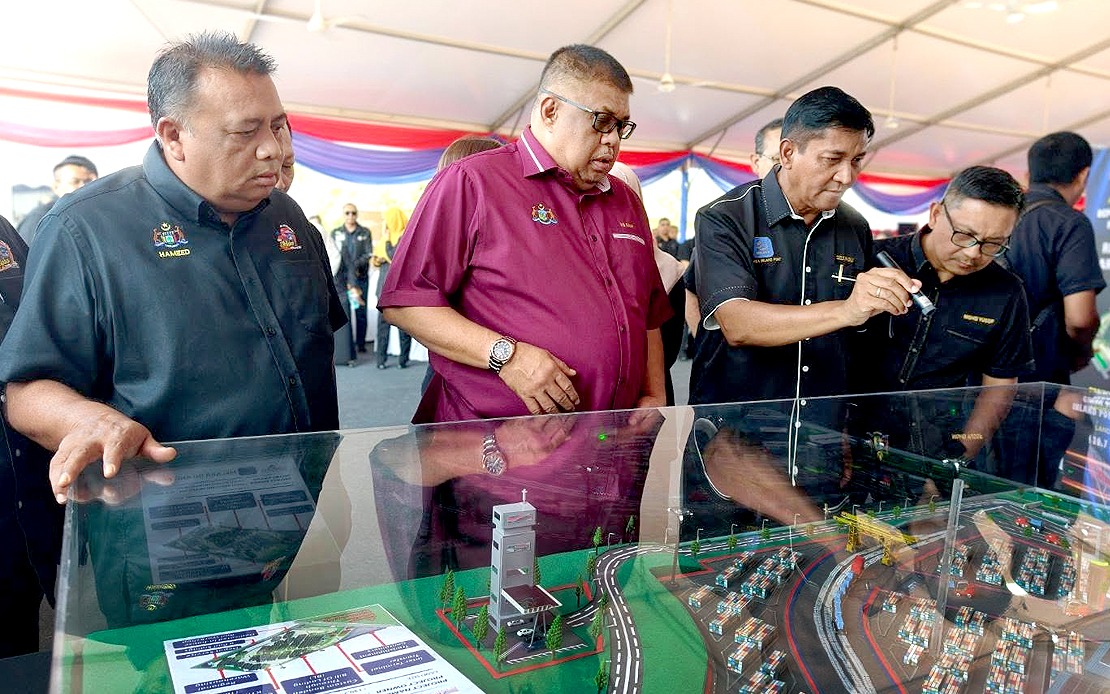
Melaka's state government is moving forward with an ambitious infrastructure initiative designed to transform the state into a more efficient logistics corridor. The planned 12-kilometre road, estimated to cost RM129 million, will directly connect Kuala Linggi International Port (KLIP) to Ayer Molek in Kuala Sungai Baru, passing through the Melaka Inland Port (MIP) area. This strategic routing aims to create seamless connectivity between multiple port facilities and unlock substantial efficiency gains for the region's transport and warehousing sectors.
The project represents a carefully considered response to Melaka's growing ambitions as a regional logistics hub. Rather than creating isolated port facilities, the state government has designed the road network to maximise synergies between KLIP, the inland port, and other maritime terminals. By facilitating better integration across these hubs, planners believe the state can attract larger logistics operators and consolidate shipments more efficiently, potentially positioning Melaka as a competitive alternative to more congested ports elsewhere in Malaysia and the region.
According to Datuk Hameed Mytheen Kunju Basheer, the chairman of Melaka's Public Works, Infrastructure, Public Facilities and Transport Committee, the initiative will dramatically reduce travel distances for cargo movements. Currently, journeys between key port areas require approximately 28 kilometres of travel; the new road will cut this to roughly 12 kilometres. This substantial reduction in distance translates directly into lower fuel costs, reduced driver fatigue, and faster turnaround times for haulage operators—factors that accumulate into meaningful competitive advantages in the price-sensitive logistics sector.
The road project is presently in the design phase under the supervision of the Works Ministry. State officials anticipate that the initiative will progress through quotation and tender processes during the coming year, with contractor appointments following thereafter. This timeline suggests that actual ground works could commence within the next 12 to 18 months, assuming no major regulatory or budgetary obstacles emerge. The phased approach reflects prudent project management, allowing adequate time for detailed engineering and stakeholder consultation.
Beyond the primary 12-kilometre corridor, Melaka has conceived a broader network enhancement strategy. Another planned road, stretching six kilometres from Telok Gong to Kampung Pulau and Paya Lebar, carries an estimated price tag of RM49 million and will establish direct connectivity between these areas and the Melaka Inland Port. Different sections of this secondary road are at varying stages of preparation: the Paya Lebar to Kampung Pulau segment is undergoing quotation processes, whilst the alignment from Kampung Pulau to Telok Gong remains in the design phase. Together, these roads will create a more comprehensive network than any single corridor could achieve alone.
The state government also intends to upgrade existing roads that link port zones to the inland facility. Notably, the road from Tangga Batu to Sungai Udang, which provides access to Tanjung Bruas Port, will be widened to accommodate heavier and more frequent traffic flows. These complementary upgrades demonstrate a holistic approach to port infrastructure development, recognising that isolated improvements yield limited returns unless the entire ecosystem is strengthened simultaneously.
Melaka Chief Minister Datuk Seri Ab Rauf Yusoh presided over the groundbreaking ceremony for the Melaka Inland Port, signalling the government's commitment to these interlinked projects. The simultaneous launch of the MIP and announcement of these road developments suggests a coordinated strategy to position the state as an integrated logistics destination. For regional observers, the initiative underscores how Malaysian states are competing actively to capture growing trade flows in Southeast Asia's expanding supply chains.
The timeline for completion stretches to approximately 2028 or 2029, reflecting the complex nature of large-scale transport infrastructure. However, officials emphasise that the extended construction schedule will be worthwhile given the long-term benefits. The roads will substantially shorten travel times between port zones and the inland facility, whilst simultaneously providing direct routes that bypass traditional villages and residential communities—a sensitivity that acknowledges local land-use patterns and minimises disruption to established settlements.
For Malaysia's logistics sector, the Melaka initiative arrives at a consequential moment. Regional competition from ports in Thailand, Vietnam, and Indonesia is intensifying as trade patterns evolve and global supply chains respond to geopolitical shifts. By investing heavily in port connectivity and inland transport infrastructure, Melaka is signalling its intent to capture a meaningful share of container traffic, transshipment volumes, and warehousing activity that might otherwise gravitate toward competing hubs. The cost—approximately RM178 million across both road projects—represents a substantial commitment from the state budget, yet policymakers evidently believe the returns will justify the outlay through increased port revenues, employment, and business activity.
The logistics sector will monitor progress closely. Efficient port access is fundamental to cargo handling competitiveness; delays and congestion erode the cost advantages that make ports attractive. By reducing distances and improving road capacity, Melaka is directly addressing one of the primary complaints that logistics operators lodge about regional port infrastructure. If execution matches ambition, these roads could become a genuine competitive asset.
The broader regional significance lies in how such infrastructure initiatives ripple through supply chains. Improved port connectivity in Melaka could influence sourcing and distribution decisions for multinational manufacturers operating across Southeast Asia. Warehousing operators, freight forwarders, and customs brokers may find the state increasingly attractive as a regional hub. For businesses in Malaysia and neighbouring countries, better port infrastructure in Melaka ultimately translates into lower shipping costs and faster goods movement—advantages that accumulate across entire supply networks.

