Melaka's pursuit of enhanced healthcare infrastructure in Bukit Rambai has reached a critical juncture, with state authorities confirming that the 2027 Budget—scheduled for parliamentary tabling this October—will determine whether a substantial healthcare expansion project receives the green light. The decision represents the culmination of months of planning and submission through formal government channels, with the proposal now firmly embedded within the 13th Malaysia Plan's Rolling Plan 2 framework under the Ministry of Economy's jurisdiction.
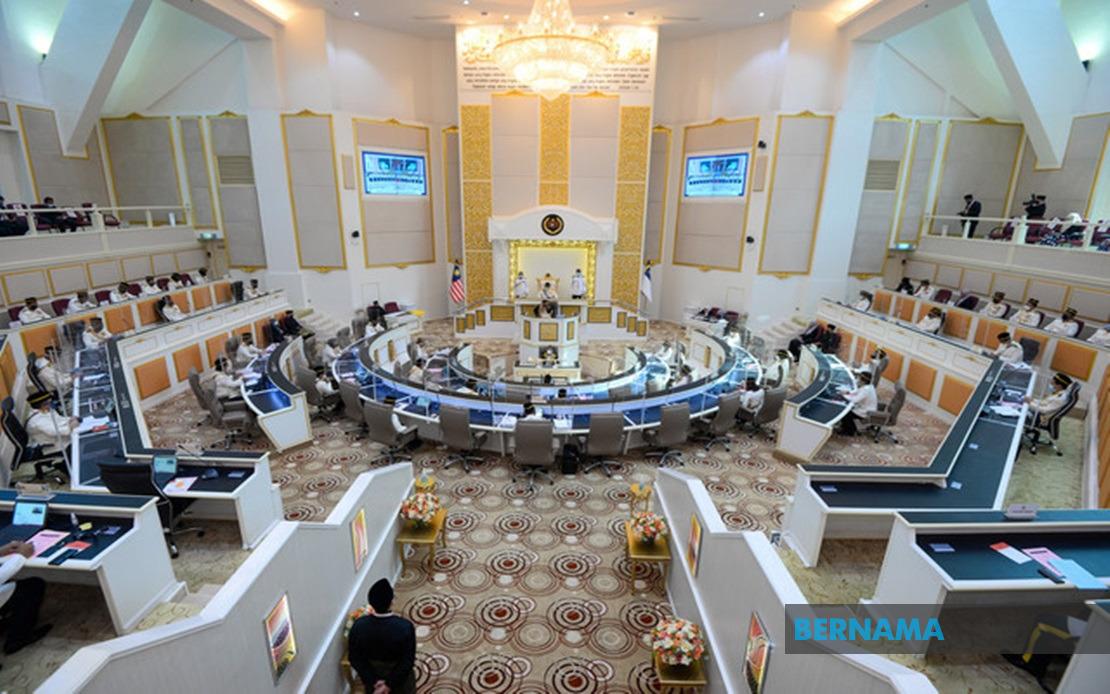
Datuk Ngwe Hee Sem, chairman of the State Health, Human Resources and Unity Committee, disclosed the timeline during a Melaka state assembly session, responding to concerns raised by assemblyman Lim Ban Hong representing the BN-Kelebang constituency. The proposed Type 3 health clinic stands as a strategic investment in primary healthcare delivery, positioned to serve the growing needs of Bukit Rambai residents and its surroundings through a comprehensive facility replacement strategy.
The project has moved beyond the preliminary planning stages, with site preparation already completed on a location directly opposite the existing Bukit Rambai Health Clinic. This strategic positioning reflects deliberate planning to maintain continuity of services during the transition and construction phases. The anticipated three-year construction timeline, once budgetary approval is secured, suggests a phased implementation strategy that will allow the current facility to continue operations whilst infrastructure development proceeds.
Healthcare delivery in Bukit Rambai stands to undergo a significant transformation upon completion. The new facility will introduce diagnostic imaging capabilities through radiology services, a critical gap in current primary healthcare provision. Dental services will expand substantially, with five dedicated dental chairs enabling improved access to oral healthcare that currently requires patients to seek alternative providers elsewhere in the state.
Nutrition and dietetics services represent another expansion area, reflecting evolving healthcare standards that emphasise preventative care and lifestyle management alongside acute treatment. These services gain particular relevance in Malaysia's context, where non-communicable diseases linked to dietary factors increasingly burden the healthcare system. Optometry services will improve vision screening and corrective lens assessment, whilst physiotherapy and occupational therapy will support rehabilitation and musculoskeletal care—services increasingly demanded as Malaysia's population ages.
Mental health and social support components will also strengthen significantly. The planned inclusion of speech therapy addresses developmental and neurological conditions, particularly benefiting paediatric and geriatric populations. Counselling psychology and medical social work services represent crucial additions to the primary healthcare model, acknowledging the integrated nature of physical and mental wellbeing in contemporary medical practice.
The expanded facility will fundamentally restructure how healthcare is delivered within the catchment area. Outpatient services, the backbone of primary healthcare, will benefit from improved physical space and reduced congestion. Emergency care capabilities will be enhanced, enabling faster triage and treatment of acute conditions. Maternal and child health services—traditionally cornerstone offerings in Malaysian health clinics—will operate within more appropriate facilities designed to accommodate modern perinatal care standards.
Laboratory and pharmacy services will gain enhanced capacity and improved infrastructure for specimen handling and medication management. Health promotion initiatives, essential for disease prevention and community education, will operate from a facility purpose-built to facilitate group sessions and educational activities. School health services, which depend on clinic facilities for vaccination programmes and health screening, will benefit from dedicated space and modern equipment.
The cumulative effect of these service enhancements extends beyond mere facility expansion. Waiting times, a chronic pain point in Malaysian primary healthcare, should reduce as additional infrastructure absorbs the case load currently overwhelming the existing clinic. Patient comfort improves through better-designed spaces, adequate seating, and appropriate environmental controls. Healthcare quality itself benefits from staff working within purpose-built environments equipped with modern diagnostic and treatment capabilities.
For Melaka's healthcare planning, this project represents a significant statement of intent regarding primary healthcare investment. The state's commitment to progressing the Bukit Rambai proposal through formal channels demonstrates alignment with federal healthcare priorities embedded within the 13th Malaysia Plan. However, the October budget presentation remains crucial—approval is not guaranteed, and competing state healthcare projects vie for limited federal resources.
The broader Southeast Asian context highlights Malaysia's positioning within the region's healthcare landscape. Investment in primary healthcare infrastructure, particularly in suburban and semi-urban areas like Bukit Rambai, reflects modern health policy principles emphasising accessible, community-based care. This contrasts with healthcare models that concentrate specialist services in major urban centres, often creating barriers for populations in secondary cities.
For residents of Bukit Rambai, the next few months bring anticipation tempered by bureaucratic realities. If the 2027 Budget includes the project, construction could commence in 2027 or 2028, with completion expected around 2030 or 2031. The healthcare landscape they navigate will remain substantially unchanged until then. The decision, when announced, will either validate years of advocacy for improved local healthcare or necessitate renewed calls for alternative solutions. Either way, the October budget presentation will prove decisive.

