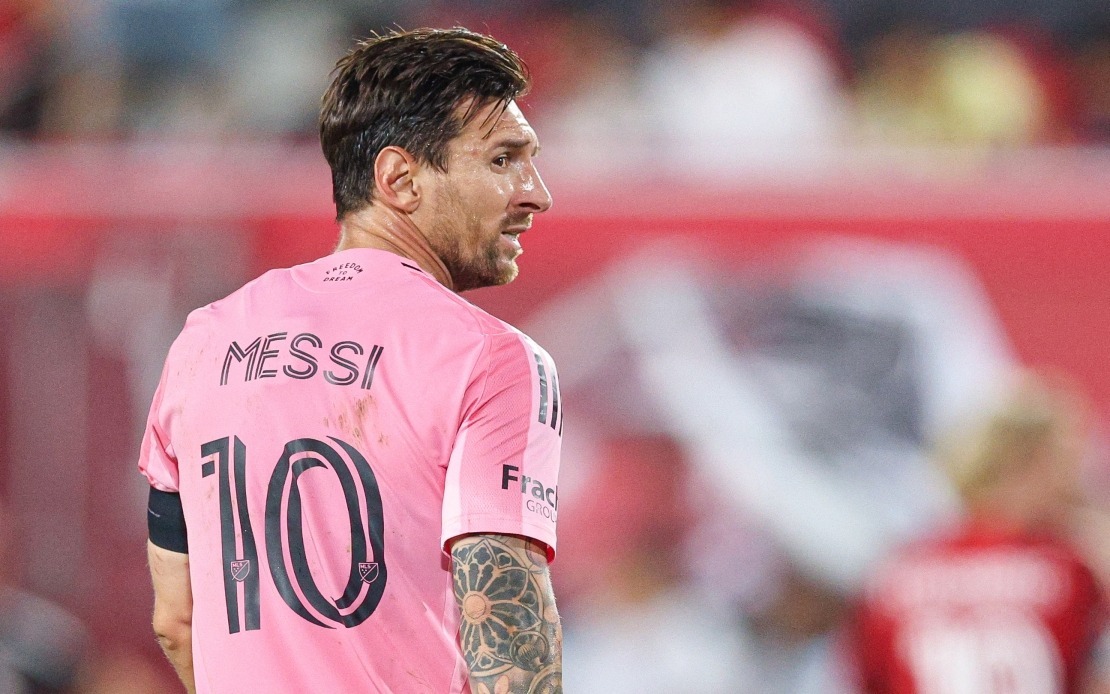
Lionel Messi has made his first competitive appearance for Inter Miami since the death of his father Jorge, signalling his intention to continue his professional football career despite profound personal loss. The Argentina captain entered the pitch as a substitute during the second half of his team's 3-2 defeat to Leon in the final group stage match of the Leagues Cup on Wednesday, marking a poignant moment in what has been an emotionally turbulent week for the legendary forward.
Jorge's passing last week prompted Messi to issue an deeply personal statement on social media, wherein he expressed genuine uncertainty about his future in professional sport. The 37-year-old footballer shared raw and unfiltered grief, writing that he did not know how to move forward without his father and questioning whether he could continue playing football at the highest level. His words revealed the emotional toll of losing not just a parent but also a lifelong mentor who had guided his career since the age of 14 and stood witness to his transformation into one of football's greatest players.
The circumstances surrounding Jorge's death have added another layer of significance to Messi's decision to return. The veteran agent had encouraged his son to participate in one final World Cup despite declining health, a wish that came to fruition when Argentina competed in the 2022 tournament in Qatar, where Messi captained his nation and won the sport's most prestigious trophy. More recently, Jorge watched Argentina reach the Copa America final this summer, though the team fell short when Spain defeated them 1-0 in extra time.
Messi had already missed Inter Miami's 2-1 loss to Monterrey on Saturday, choosing instead to attend a private funeral service at a cemetery in the town of Perez, located near his hometown of Rosario in Argentina. The decision reflected the magnitude of his loss and the need for space to grieve during such a significant moment. His absence from that match came shortly after Jorge's death, when the full weight of the situation would have been most acute.
The psychological journey of returning to professional competition so soon after losing a parent cannot be understated. Guillermo Hoyos, the Inter Miami coach, acknowledged the profound difficulty of such circumstances during his post-match comments, drawing parallels to his own experience of paternal loss. He described the impact as a substantial blow for any person, emphasising that Jorge was not merely a father but served as a guiding force and source of strength throughout Messi's life. Hoyos's empathetic response underscored the club's recognition that this was far more than a simple football narrative.
From a professional standpoint, Messi's return provides significant implications for Inter Miami's season and playoff ambitions. The club, which has invested considerably in assembling a competitive roster, now has their talisman available for the knockout stages of the competition. The team's recent form has been inconsistent, with the loss to Leon extending their struggles in recent matches. Messi's involvement, even from the bench, signals that the psychological hurdle of returning to play has been cleared, though questions may remain about whether he can quickly regain full match fitness and mental sharpness.
The broader context of professional athletes grieving while maintaining their careers resonates across Southeast Asia, where family values remain central to cultural identity. Messi's situation mirrors challenges that athletes across the region occasionally face, balancing personal tragedy with professional obligations. His choice to return to the field relatively quickly may offer perspective on how grief and professional responsibility can coexist, though it also raises questions about the pressure elite athletes face to perform during their most vulnerable moments.
Javier Gandolfi, the opposing Leon coach, paid tribute to Messi's character and ability, noting that even in the context of profound loss, the Argentine demonstrated the qualities that have defined his career. Gandolfi's assessment was not merely about technical skills but recognised Messi's presence and influence both on and off the pitch, suggesting that his value transcends statistics and goals. This observation highlights how Messi's impact extends beyond what appears in match records, encompassing leadership and inspiration that becomes even more meaningful when demonstrated through personal adversity.
Looking forward, Inter Miami will need to carefully manage Messi's involvement and recovery as the competition progresses. His appearance on Wednesday was clearly important symbolically and emotionally, but the coming weeks will determine whether he can contribute meaningfully to the club's objectives. The combination of grief, physical readiness, and mental resilience will require careful attention from coaching staff and medical personnel. For Messi, the path from this moment forward involves not only honouring his father's memory but also discovering how to continue the sport that Jorge helped him build into a life's work.

