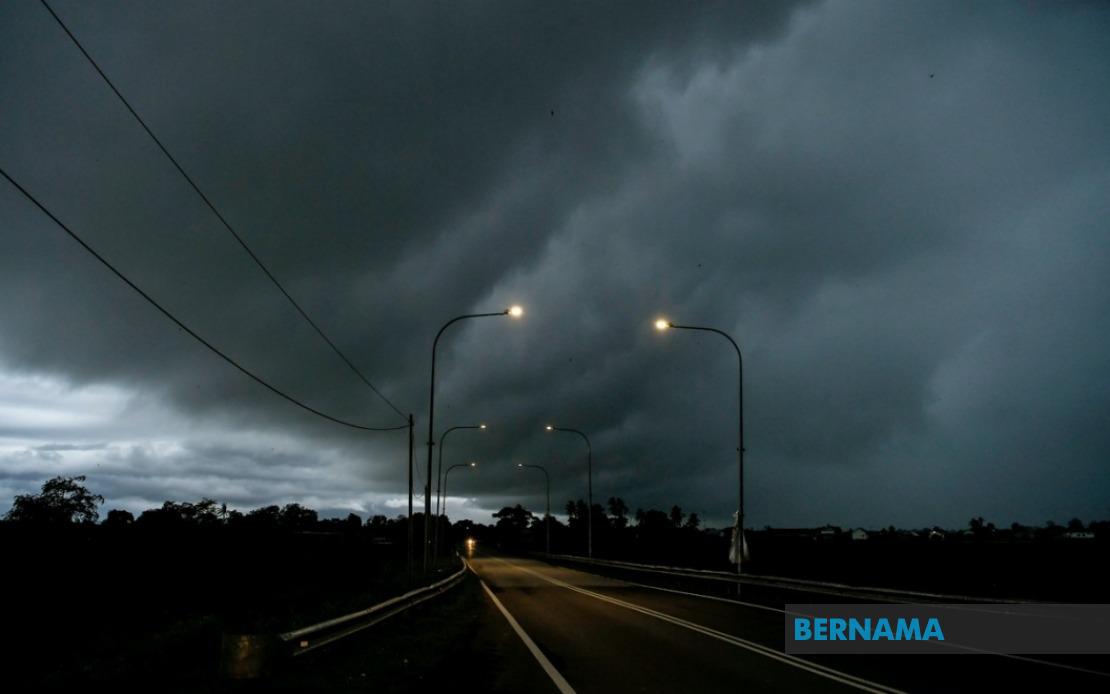
The Malaysian Meteorological Department issued a widespread weather alert on Tuesday covering thunderstorms, intense rainfall and gusty conditions affecting multiple regions across Peninsular Malaysia, Sabah, Sarawak and the Federal Territory of Labuan. The cautionary notice remains active until 1 am the following day, urging residents in vulnerable zones to exercise caution during the unstable atmospheric period.
In Kedah, three districts face the brunt of the impending weather system: Padang Terap, Sik and Baling are all designated under the alert zone. Meanwhile, residents across the Hulu Perak district in neighbouring Perak should prepare for deteriorating conditions. The east coast state of Kelantan witnesses an even broader geographic impact, with five separate districts positioned within the warning area—Tumpat, Pasir Mas, Jeli, Tanah Merah and Kuala Krai—reflecting the system's particular influence over the northeastern peninsula. Pahang's interior zone centred on Jerantut similarly faces heightened weather risks.
Sarawak experiences the most extensive geographic coverage under this alert, with the system affecting fourteen distinct administrative areas spanning the state's diverse topography. Kuching and Samarahan in the southwestern coastal region stand alongside Serian and Sri Aman further inland. The southern interior districts of Betong, encompassing both Pusa and the town itself, remain under observation. Central Sarawak's river communities face similar conditions, with Sarikei's Julau district and Sibu's twin zones of Kanowit and Selangau included in the warning parameters. Kapit and its outlying area of Bukit Mabong, positioned deep within the Rajang river system, also feature prominently. The northern coastal belt adds further breadth to the alert, incorporating Bintulu's coastal expanse and the northern divisions of Miri—touching Subis, Beluru, Miri and Marudi—alongside Limbang in the state's northeastern extremity.
Sabah's affected territories span from the western seaboard to the eastern frontier. Kuala Penyu on the Interior division's peninsula, alongside Putatan and Ranau representing the West Coast region, form the initial alert clusters. The eastern Sandakan division contributes two further zones: Telupid and Beluran, both positioned along the Sulu Sea coastline. The island Federal Territory of Labuan, situated strategically between Sabah and Brunei, rounds out the comprehensive geographic scope of MetMalaysia's precautionary bulletin.
Thunderstorm warnings of this magnitude require understanding within the broader context of Malaysia's equatorial and tropical climate patterns. The country's monsoon dynamics and local atmospheric circulation systems frequently generate organised convective activity across multiple states simultaneously, particularly during transitional periods or when moisture-laden winds encounter orographic features. The combination of thunderstorms with heavy precipitation poses particular risks in low-lying areas and flood-prone zones, while strong winds threaten unsecured structures, loose objects and power distribution infrastructure.
For residents and businesses across the affected regions, MetMalaysia's alert necessitates practical preparatory measures. Securing outdoor installations, monitoring weather updates through official channels and avoiding unnecessary travel during peak storm hours represent fundamental protective actions. Agricultural activities, particularly in rural Kedah, Perak and Kelantan, require schedule adjustments to accommodate the weather disruption. Transportation networks, especially maritime services in Sabah and Sarawak and rural road corridors across Pahang, may experience temporary operational constraints.
The extensive geographic footprint of this alert demonstrates the significant scale of the atmospheric system affecting the nation. From the northwestern peninsula through to Sarawak's interior and eastern Sabah, the unified warning reflects a coherent meteorological phenomenon rather than isolated local conditions. Such widespread alerts underline the importance of maintaining robust early warning infrastructure and public awareness mechanisms across Malaysia's diverse geography.
MetMalaysia's decision to issue unified alerts across such distant regions serves critical public safety functions, enabling government agencies, utility providers and private sector operators to implement contingency protocols proactively. Emergency response teams can position resources strategically, while utility companies can prepare grid management systems for potential disruptions. The agricultural sector gains valuable lead time to protect crops and livestock from severe weather exposure.
Residents should remain attentive to subsequent meteorological bulletins as the warning period concludes on Wednesday morning. While the current alert addresses immediate hazards spanning approximately twenty-four hours, longer-term weather patterns and potential follow-up systems warrant continued monitoring through official MetMalaysia channels. The department regularly updates its forecasts as new atmospheric data becomes available, ensuring that updated guidance reaches communities promptly as conditions evolve.

%22%2F%3E%3C%2Fpattern%3E%3C%2Fdefs%3E%3Crect%20width%3D%22100%25%22%20height%3D%22100%25%22%20fill%3D%22url(%23ph1fu7wg)%22%2F%3E%3Crect%20width%3D%22100%25%22%20height%3D%22100%25%22%20fill%3D%22url(%23ph1fu7wp)%22%2F%3E%3Ctext%20x%3D%2250%25%22%20y%3D%2250%25%22%20text-anchor%3D%22middle%22%20dominant-baseline%3D%22central%22%20fill%3D%22rgba(255%2C255%2C255%2C0.95)%22%20font-family%3D%22Georgia%2C%20'Times%20New%20Roman'%2C%20serif%22%20font-weight%3D%22700%22%20font-size%3D%22170%22%20letter-spacing%3D%22-0.02em%22%3EGabungan%3C%2Ftext%3E%3C%2Fsvg%3E)