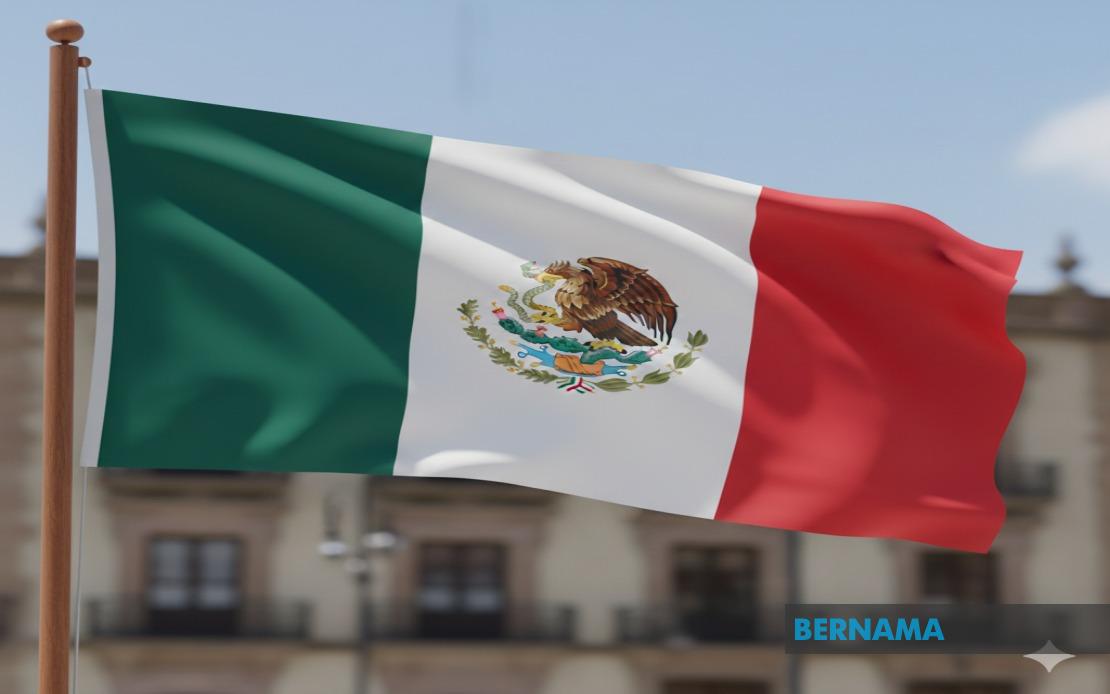
Mexico has taken its grievances over the deaths of Mexican nationals in connection with US immigration enforcement to the international stage, requesting a formal United Nations review of the incidents. Foreign Minister Roberto Velasco submitted a letter to UN High Commissioner Volker Türk on Tuesday, marking a significant escalation in Mexico's response to what the government characterises as a pattern of troubling outcomes in Immigration and Customs Enforcement operations. The move signals Mexico's determination to move beyond traditional diplomatic protest and seek accountability through multilateral human rights mechanisms.
Velasco's letter specifically asks the UN High Commissioner to examine the circumstances surrounding these deaths and to obtain detailed information from American authorities. The petition also requests that the High Commissioner's office evaluate whether the incidents align with international human rights obligations that the United States has undertaken. Beyond this assessment, Mexico seeks formal recommendations from the UN body and has opened the door for the matter to be elevated to the UN Human Rights Council's special procedures if warranted. This layered approach gives Mexico multiple diplomatic levers to press its case at the international level.
The Mexican government has documented that three citizens died during active ICE operations, with another 14 perishing whilst held in deportation detention facilities. These figures form the basis of Mexico's complaint and represent what officials view as a systemic concern rather than isolated incidents. The breadth of these cases—spanning both enforcement actions and custodial situations—suggests a comprehensive pattern that Mexican authorities believe warrants external scrutiny.
President Claudia Sheinbaum signalled this shift in strategy last week when she announced that Mexico would no longer restrict itself to diplomatic representations but would pursue legal action against those responsible for the deaths. This represented a marked departure from Mexico's traditional approach to bilateral disputes with the United States, reflecting growing domestic political pressure to defend Mexican citizens' rights. The Sheinbaum administration has transformed the issue from a matter of formal protest into an active legal campaign with multiple fronts.
In tandem with the UN referral, Mexico's Attorney General's Office is preparing a comprehensive complaint targeting the US Justice Department. This complaint will be formally submitted through the Mexican embassy in Washington and represents a direct legal challenge to American authorities. The government is treating this as a serious prosecutorial matter rather than merely a diplomatic concern, elevating the stakes for both nations. The coordination between Mexico's Foreign Ministry and its law enforcement agencies underscores the gravity with which the government regards these cases.
Mexico's consulates and embassies have simultaneously begun filing complaints with state-level prosecutors in the US jurisdictions where the deaths occurred. This strategy targets multiple levels of the American justice system, creating multiple pathways for legal accountability. By engaging state authorities rather than relying solely on federal channels, Mexico is applying pressure through different governmental layers, maximising the likelihood that at least some jurisdictions will take action. This distributed approach reflects sophisticated understanding of the American federal system and its complexities.
A particularly noteworthy development is Mexico's dispatch of formal cease-and-desist letters to detention facilities involved in the cases. The Adelanto detention facility in California received the first such letter, an action that Mexican officials characterise as the opening gambit in potential civil litigation. These letters serve a dual purpose: they formally document Mexico's objections and create a legal record that can support future lawsuits, whilst simultaneously putting detention facilities on notice that Mexico intends to pursue compensation through civil courts. This represents a concrete legal instrument distinct from diplomatic protest.
The case of Lorenzo Salgado Araujo exemplifies the tensions surrounding these incidents. The Mexican construction business owner, who had resided in Houston for over thirty years and established deep roots in that community, was fatally shot on July 7 during an ICE operation. US authorities contend that Salgado Araujo ignored officers' commands, rammed a law enforcement vehicle, and attempted to strike an officer, prompting the use of lethal force. However, Salgado Araujo's relatives, civil rights organisations, and Democratic politicians have demanded an independent investigation, disputing the official account and raising questions about whether the response was proportionate.
The Salgado Araujo case illuminates why Mexico has felt compelled to pursue legal avenues. For Mexican observers, the incident raises fundamental questions about how American authorities interact with individuals of Mexican descent during enforcement operations. The disparity between the official narrative and the concerns raised by independent observers creates doubt about the reliability of internal investigations. Mexico's decision to involve international mechanisms reflects scepticism that domestic US processes alone will produce outcomes that satisfy concerns about accountability and adherence to human rights standards.
For Malaysian and Southeast Asian observers, Mexico's strategy offers a relevant case study in how nations can leverage international human rights mechanisms to challenge powerful neighbours' domestic practices. While Southeast Asian nations have different diplomatic traditions and power dynamics with their regional partners, Mexico's approach demonstrates that middle powers can create consequences for conduct they view as problematic by internationalising grievances through multilateral channels. The willingness to combine diplomatic, legal, and international human rights strategies creates multiple pressure points simultaneously.
The broader significance of Mexico's actions extends to broader questions about migration enforcement and human rights in the Americas. As ICE operations continue and deportations accelerate, the question of whether enforcement actions comply with international humanitarian standards becomes increasingly pressing. Mexico's intervention suggests that receiving nations are no longer willing to accept expansive interpretations of enforcement authority when citizens die. The precedent being set could influence how other nations respond to similar incidents involving their citizens.
Looking forward, Mexico's multi-track approach will likely produce extended diplomatic and legal complications for both governments. The UN review adds international scrutiny to what might otherwise remain a bilateral dispute, potentially embarrassing the United States on a global stage. Simultaneously, the Justice Department complaint and state-level proceedings create domestic legal exposure. The cease-and-desist letters open pathways to civil liability for detention facilities themselves. Together, these mechanisms represent a comprehensive effort to ensure that Mexican deaths during immigration enforcement receive thorough examination and potential accountability.

