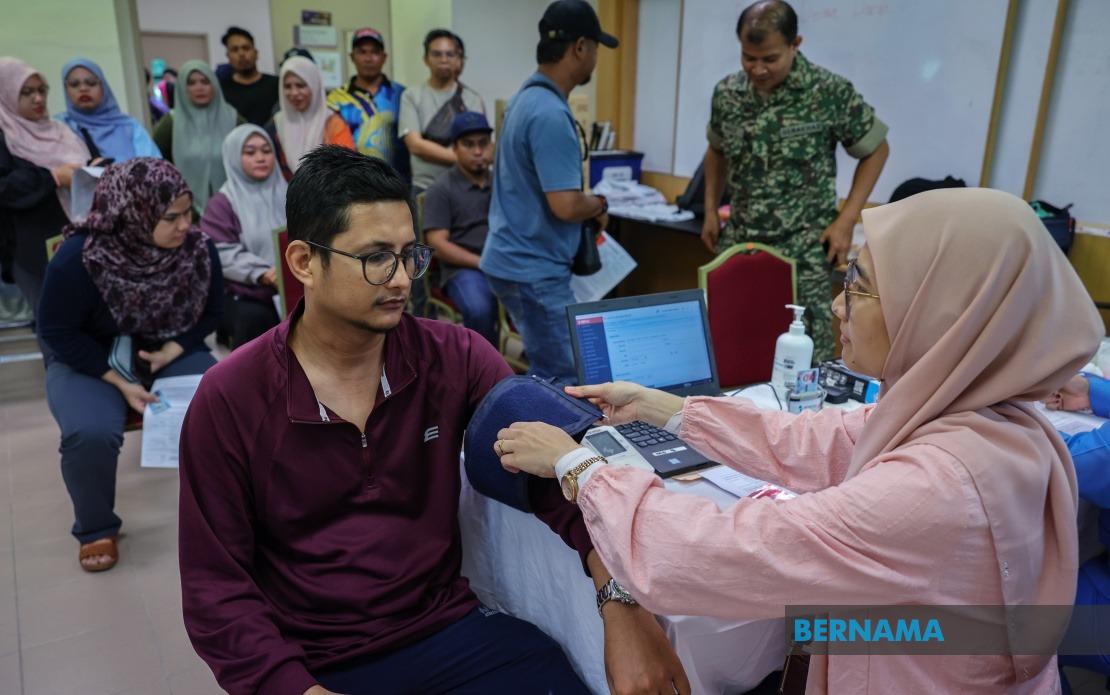
The Malaysian armed forces have extended free healthcare services directly to rural communities through a coordinated Civil-Military Cooperation initiative held in Kuala Ketil near Baling, which ran from July 9 to 11. Branded as the "Military with the People" programme and coinciding with the graduation of the Basic Commando Course (Series AK/1/26), the healthcare drive operated from Sultan Abdul Halim Mu'adzam Shah International Islamic University campus, demonstrating how defence institutions can bridge the gap between government services and underserved populations.
The comprehensive medical outreach combined dental care through the Dental Community Assistance Programme (DENCAP) with general health assessments via the Medical Community Assistance Programme (MEDCAP), both operating under the broader CIMIC framework designed to strengthen relationships between armed forces personnel and civilians. This dual approach recognised that rural areas, particularly in states like Kedah, often face barriers to accessing dental and preventive healthcare due to geographic distance and cost constraints. By deploying military medical professionals directly into communities, the initiative eliminated the logistical hurdles that typically prevent residents from accessing regular check-ups and treatments.
Feedback from participants revealed substantial demand for such services in the region. Factory worker Siti Salmiah Said, 28, utilised her day off to bring her entire family for treatment, undergoing dental scaling while her six-year-old child received a filling and her husband completed a scaling procedure. She noted the convenience of receiving immediate care without navigating the appointment systems and waiting periods characteristic of civilian dental clinics. The speed of service represented a critical advantage for working families balancing employment obligations with healthcare needs. Similarly, legal assistant Adam Ruzlan, 26, appreciated not only the free treatment but also the educational component, with military dentists providing guidance on oral hygiene and identifying specific dental issues requiring ongoing attention.
For G. Devindran, 37, the programme evoked memories of previous military medical outreach conducted 28 years earlier, though he observed notable improvements in both service speed and available equipment. He completed a comprehensive health assessment including blood pressure, blood sugar, and body mass index screenings alongside receiving a dental filling, illustrating how contemporary CIMIC programmes have evolved to encompass preventive care and disease screening rather than exclusively addressing acute conditions. This preventive orientation aligns with Malaysia's broader healthcare policy objectives around non-communicable disease detection and management in community settings.
The initiative also demonstrated capacity to handle medical emergencies, as demonstrated when a child experienced dizziness and nausea during the programme. Civil Defence Force personnel rapidly transported the young patient to the MEDCAP tent, where military medical staff conducted vital sign monitoring including temperature, blood pressure, and oxygen saturation assessment before administering appropriate medication. Norhasliza Nayan, the child's mother, praised both the clinical response and the facility infrastructure, suggesting such health initiatives should become standard components of large community events throughout Malaysia. Her observation reflects a broader recognition that integrating healthcare services into public gatherings could substantially improve screening and treatment reach in the general population.
Captain Dr Muhammad Afiq Ishak, a dental officer from the 2nd Medical Battalion supervising DENCAP operations, explained that the dental services focused on foundational interventions including fillings, scaling, and extractions alongside oral health promotion education. The military dental team also screened elderly participants for cardiovascular and metabolic risk factors, with those requiring specialised care referred to adjacent civilian facilities. This referral mechanism proved essential because it preserved continuity of care while leveraging the particular strengths of military medical logistics. Scaling procedures represented the predominant treatment provided, reflecting both the high prevalence of periodontal disease in unscreened populations and the preventive value of tartar removal in reducing subsequent dental complications.
Lieutenant Dr Atiff Abdul Aziz, the Medical Officer directing both MEDCAP and DENCAP from the Special Warfare Training Centre, characterised the programme as a strategic partnership between the Ministry of Health through the Baling District Health Office and the armed forces. This institutional collaboration represented more than simple logistical coordination; it reflected deliberate policy alignment whereby military medical capabilities complemented and extended civilian health service capacity. The Baling District Health Office contributed general health screening services and mental health awareness activities designed to reduce stigma surrounding psychological conditions within the community. For a rural district, such integrated messaging about mental health within a trusted military framework potentially reaches populations that might otherwise avoid discussing psychological concerns with civilian healthcare providers.
Parallel to the medical activities, the "Army with the People" programme incorporated a blood donation drive managed by Sultan Abdul Halim Hospital in Sungai Petani, operating throughout the two-day event with an ambitious target of 100 blood unit collections daily. This component addressed a critical national challenge regarding adequate blood supply for hospitals and emergency response, while simultaneously building civic engagement and reciprocal community participation in broader health system sustainability. For donors from Baling district, the opportunity to contribute blood without travelling to urban blood collection facilities reduced barriers to donation participation, potentially strengthening regional blood reserves for emergency situations.
The timing of the healthcare initiative coinciding with military training course completion served strategic communication purposes beyond healthcare delivery itself. By embedding medical service provision within commando training graduation ceremonies, the armed forces reinforced public messaging about institutional relevance to civilian welfare beyond traditional security functions. In Southeast Asia's contemporary context, where militaries have faced scrutiny regarding resource allocation and public benefit justification, demonstrating tangible community health contributions strengthens institutional legitimacy and public support. For Malaysia specifically, such visible civil-military cooperation in healthcare delivery represents soft power that extends military influence into social welfare domains valued by local populations.
The response from diverse participant categories—factory workers, legal professionals, retirees, housewives—indicated broad-based community receptivity to military-provided healthcare services, transcending typical socioeconomic and occupational boundaries. This inclusive participation suggests that cost elimination and geographic convenience represent powerful drivers of healthcare access, overriding any residual hesitation about receiving treatment from military rather than civilian medical personnel. For policymakers evaluating public health delivery models, the Baling initiative demonstrates a replicable framework whereby defence institution medical capabilities address documented healthcare access gaps in specific geographic regions without requiring permanent expansion of civilian health infrastructure.
Moving forward, the evident success of this initiative in Kuala Ketil near Baling raises questions about scaling such programmes to other Malaysian communities, particularly in rural and remote areas where civilian healthcare resources remain constrained. The partnership model between the Ministry of Health and military medical services merits expansion given demonstrated patient satisfaction and measured health outcomes ranging from disease screening to emergency stabilisation. Additionally, the integration of mental health awareness and blood donation drives alongside medical care demonstrates how comprehensive healthcare initiatives extend beyond clinical treatment to encompass public health education and community contribution to national health system sustainability, establishing a template for future Civil-Military Cooperation healthcare programming.

