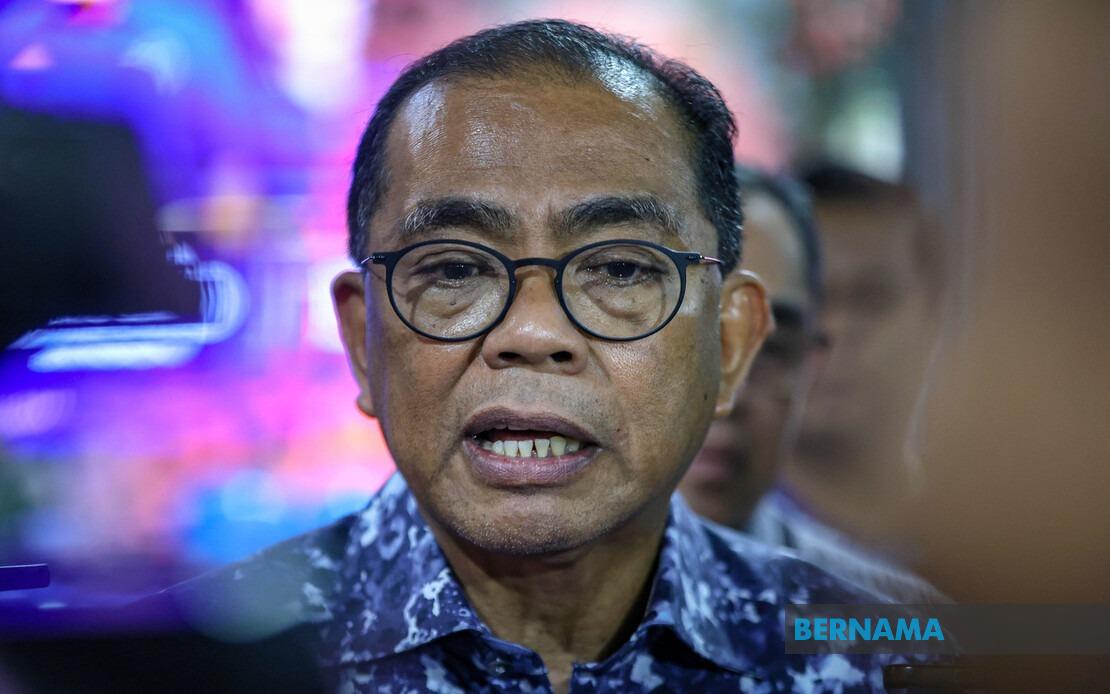
The Ministry of Defence is mounting a sustained effort to reshape how the Malaysian Armed Forces manages its workforce, with Defence Minister Datuk Seri Mohamed Khaled Nordin confirming that comprehensive proposals addressing organisational structure, career advancement pathways, and military compensation have been submitted to both the government and the Public Service Department for formal review. This multifaceted reform agenda reflects an institutional recognition that the current system, while functional, creates unnecessary bottlenecks that prevent capable officers from progressing through ranks despite meeting all performance and competency benchmarks.
The core problem MINDEF seeks to address stems from the disconnect between officer capability and available promotional slots. Under the existing framework, many military personnel demonstrate the requisite skills and performance standards required for advancement but find their careers stalled because the rigid staffing structure offers insufficient vacancies at higher grades. This structural constraint means talented officers remain confined to their current ranks even when they have proven themselves ready for greater responsibility, creating a potential waste of human capital and risking the departure of frustrated, capable individuals from the service.
Mohamed Khaled articulated MINDEF's fundamental objective as ensuring genuine alignment between assigned rank, institutional grade level, responsibility scope, and the strategic functions performed by armed forces personnel. This conceptual framework suggests the ministry recognises that effective military operations depend not merely on competence at individual levels but on an organisational structure that accurately reflects where decision-making authority and tactical responsibility actually reside. By recalibrating the formal structure to match functional reality, MINDEF aims to create coherence between what officers do and what their titles and compensation reflect they should be doing.
The reform initiative builds upon foundations laid since the release of the Defence White Paper in 2022, when MINDEF first institutionalised talent management as a strategic priority. This multi-year trajectory demonstrates sustained institutional commitment rather than ad-hoc response to immediate pressures. Notably, MINDEF submitted specific proposals for overhauling the Public Service Remuneration System (SSPA) to the Public Service Department in March of the previous year, indicating that compensation reform has been under active consideration within government channels for an extended period.
One critical element of the compensation discussion concerns special allowances tailored to military service's unique demands. Mohamed Khaled emphasised that military personnel undertake training commitments spanning nine months to two years for specialist courses—investments in professional development that civilians in comparable public service roles typically do not face. Recognising this distinction, MINDEF argues that the standard public service compensation structure fails to account for these sector-specific requirements, creating inequitable treatment between military and civilian government employees performing functionally equivalent roles at similar responsibility levels.
A crucial constraint shapes the reform process: any acceleration of military promotion pathways must remain anchored to meritocratic principles rather than devolving into automatic advancement mechanisms. Mohamed Khaled explicitly stated that expedited promotion criteria will continue resting on demonstrable performance, documented competency, established integrity records, and genuine organisational needs, all assessed through formalised evaluation procedures. This declaratory commitment to merit-based advancement reflects broader Malaysian public service norms while attempting to preempt criticism that reformed systems might lower professional standards or reward connections over capability.
The MINDEF initiative aligns closely with Prime Minister Datuk Seri Anwar Ibrahim's recent policy announcement regarding in-principle government agreement to streamline and accelerate promotion mechanisms specifically for Malaysian Armed Forces and Royal Malaysia Police personnel. The Prime Minister's commitment positions these security sector reforms within a broader government modernisation agenda, signalling that structural improvements to military career advancement rank among administration priorities. Full implementation details will be unveiled during the Ambang Merdeka celebration at Stadium Merdeka, Kuala Lumpur on August 30, providing a high-visibility platform for announcing these defence sector reforms.
Implementation urgency reflects defence modernisation imperatives driving the entire reform agenda. As Malaysia acquires and deploys more sophisticated defence systems and technologies, the armed forces require personnel structures that enable rapid knowledge transfer, contemporary skill development, and leadership continuity aligned with technological change. A rigid promotion system that fails to advance capable officers quickly enough risks creating capability gaps precisely when modernisation demands fresh thinking and diverse experiences among senior leadership cohorts.
For Malaysian defence policy observers, this reform package represents a significant institutional recalibration acknowledging that attracting and retaining military talent now competes within regional and global contexts. Neighbouring armed forces throughout Southeast Asia have implemented comparable career development reforms, creating potential for brain drain if Malaysia fails to offer competitive advancement pathways. By restructuring organisational frameworks and compensation approaches, MINDEF positions itself to compete effectively for quality personnel while maximising existing officer corps productivity through faster advancement of proven performers.
The government's pledge to increase Defence Ministry budget allocation under Budget 2027 provides financial underpinning for implementing structural reforms while simultaneously enhancing force capabilities and security personnel welfare. This budgetary commitment signals beyond rhetorical support for military modernisation and career improvements, translating policy intention into concrete resource allocation. The combined effect of structural reform, compensation adjustment, and budget enhancement creates a comprehensive package addressing multiple dimensions of military personnel management simultaneously rather than pursuing piecemeal improvements.
For regional context, Malaysia's military reform efforts respond to evolving security dynamics across Southeast Asia where strategic competition intensifies and defence requirements expand. Countries maintaining competitive military organisations typically invest substantially in personnel development and retention systems, recognising that technological advantage ultimately depends on human capability deployed through institutional structures enabling effective decision-making. MINDEF's multifaceted approach reflects this institutional sophistication, moving beyond simple technology acquisition toward comprehensive military workforce modernisation.

