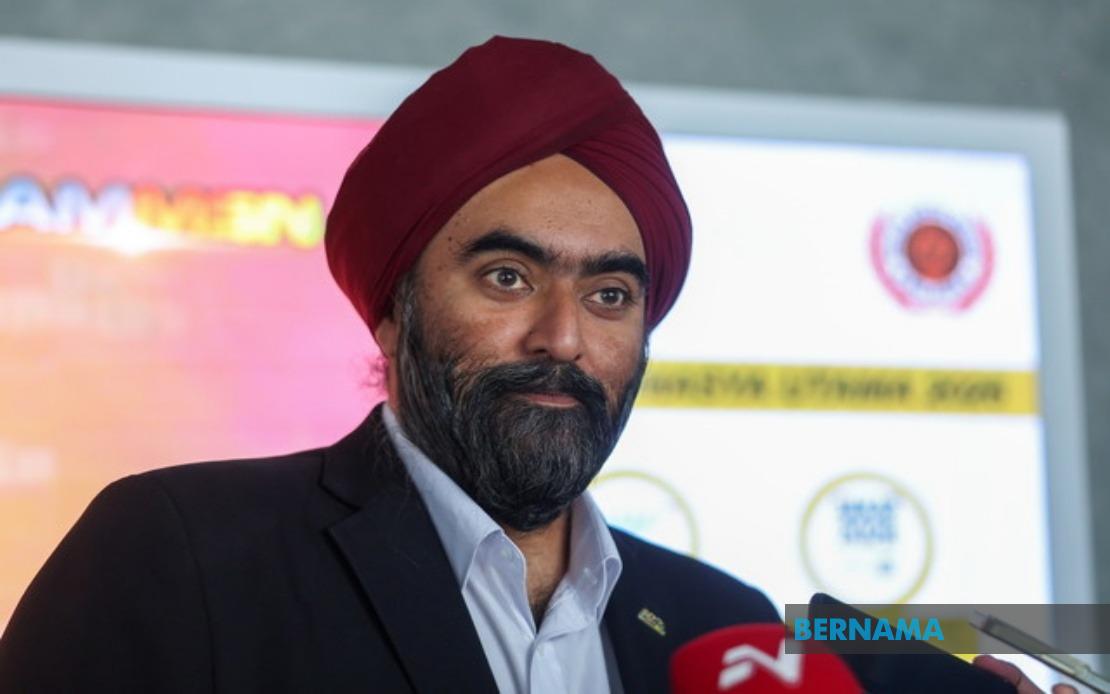
The Malaysian National Cycling Federation has escalated its push for immediate dialogue with Yayasan Sime Darby's leadership following the unexpected postponement of the YSD Track Cycling and BMX Series 2026, signalling growing tensions between the two organisations over an unresolved governance issue. Speaking in Putrajaya after unveiling plans for Le Tour de Langkawi 2026, federation president Datuk Amarjit Singh Gill emphasised the urgency of convening a face-to-face meeting between senior officials from both bodies to clear the path toward resumption of what has become a critical development platform for Malaysia's emerging cycling talent.
The postponement, announced by the Sime Darby foundation, cited technical difficulties attributed to the federation, a characterisation that Amarjit neither wholly accepted nor directly contested. Instead, the MNCF chief framed the standoff as a difference in perspective rather than an intractable conflict, arguing that the underlying problem was more procedural than substantive. His measured tone reflected an attempt to de-escalate public tension while simultaneously holding the federation's ground on the matter, suggesting that both organisations bear responsibility for finding common ground.
Amarjit's insistence on the involvement of top management from each party underscores the structural nature of the disagreement. Rather than allowing middle-ranking officials to negotiate, he signalled that only decision-makers with genuine authority could broker a meaningful resolution. This elevation of the discussion to executive level hints at disagreements rooted in strategic direction, administrative oversight, or resource allocation—issues that lower-ranking staff would lack the mandate to resolve independently. The emphasis on bringing together the MNCF executive council and YSD's top tier suggests the federation views this as more than a mere technical glitch.
The federation leader's repeated references to mutual respect and recognition of equal partnership status reveals a deeper anxiety about the power dynamics at play. By repeatedly stressing that both entities must operate as equals rather than in a hierarchical relationship, Amarjit appeared to be addressing concerns that the foundation might be overstepping its role or imposing conditions the federation found unacceptable. In Malaysian sporting governance, such dynamics between corporate sponsors and national federations frequently create friction, as each party operates under different mandates and pressures.
YSD's contribution to Malaysian cycling development has been substantial and widely acknowledged, making the dispute particularly damaging to the sport's profile during a critical period. The foundation has invested significantly in nurturing grassroots talent through structured competitions and training initiatives, providing pathways that would otherwise be unavailable to young athletes from resource-constrained backgrounds. The interruption of these programmes threatens to disrupt development timelines for riders who depend on consistent competitive exposure to progress toward elite status.
Amarjit's diplomatic framing—accepting YSD's characterisation of the issue as technical while simultaneously arguing it was resolvable through goodwill—represented a strategic approach designed to keep negotiations alive without appearing to concede federation authority. By declining to elaborate on specifics, he preserved room for manoeuvre in upcoming discussions while signalling to YSD that the federation was willing to work constructively. This measured response contrasted sharply with what might have been a more confrontational stance, suggesting MNCF leadership recognised the reputational and practical costs of prolonged conflict.
The timing of these remarks, delivered during the launch of Le Tour de Langkawi 2026, was itself significant. This major international cycling event represents Malaysian cycling's highest-profile competition and serves as a crucial showcase for emerging talent to compete against international field. The contrast between this marquee event and the suspended domestic development series underscored the stakes involved—while elite cycling continues at the international level, the pathway for young riders to reach that standard has been disrupted.
For Malaysian cycling enthusiasts and stakeholders, the prolongation of this dispute carries real consequences. Young riders training within the YSD track and BMX programmes rely on consistent competition schedules to develop race craft, fitness progression, and psychological resilience. Gaps in competitive opportunities, even of a few months, can derail development trajectories in sports where physical talent windows are comparatively narrow. Similarly, coaches and technical staff attached to these programmes face uncertainty about their work schedule and contract continuity.
The broader context involves Malaysia's positioning within regional and global cycling hierarchies. Southeast Asian cycling has experienced growing investment and infrastructure development, with neighbouring countries like Indonesia and Thailand also expanding their competitive frameworks. Any pause in Malaysia's talent pipeline risks falling behind competitors who maintain uninterrupted development structures. This regional dimension likely influenced Amarjit's framing of the issue as one requiring urgent resolution in the national interest.
Looking forward, the likelihood of productive talks depends heavily on whether both organisations can identify common ground beyond their current disagreement. YSD clearly values the partnership's contribution to corporate social responsibility goals, while MNCF depends on such funding relationships to sustain its development programmes. Neither party benefits from prolonged conflict, a reality that should theoretically facilitate negotiation. However, the federation's public emphasis on mutual respect suggests underlying concerns about governance autonomy that may require careful negotiation to resolve.
The path toward resolution probably involves some combination of procedural adjustments, clarified roles and responsibilities, and potentially revised mechanisms for decision-making and dispute resolution. Such frameworks are common in international sporting partnerships and could provide structure for the relationship going forward. Without such mechanisms in place, similar disputes may recur unless the fundamental issues of authority and partnership equity are properly addressed.
Amidst the diplomatic language and measured statements, one reality remains clear: Malaysian cycling cannot afford extended disruptions to its development pipeline. Whether through swift resolution of the current standoff or through alternative funding and programme structures, the federation must ensure that young cyclists continue to access the competitive opportunities essential for developing into world-class performers. The coming weeks will test whether both YSD and MNCF leadership can translate their stated commitment to mutual respect into concrete action.

