The Ministry of Education has moved swiftly to launch a comprehensive internal investigation following the death of a student at a Kuala Lumpur school, signalling the government's commitment to addressing serious allegations that may have contributed to the tragedy. The Schools Inspectorate, District Education Office, and Federal Territory of Kuala Lumpur Education Department have all been tasked with completing their probes without delay, underscoring the sensitivity surrounding this case and the broader concerns about school safety and student welfare that it raises.
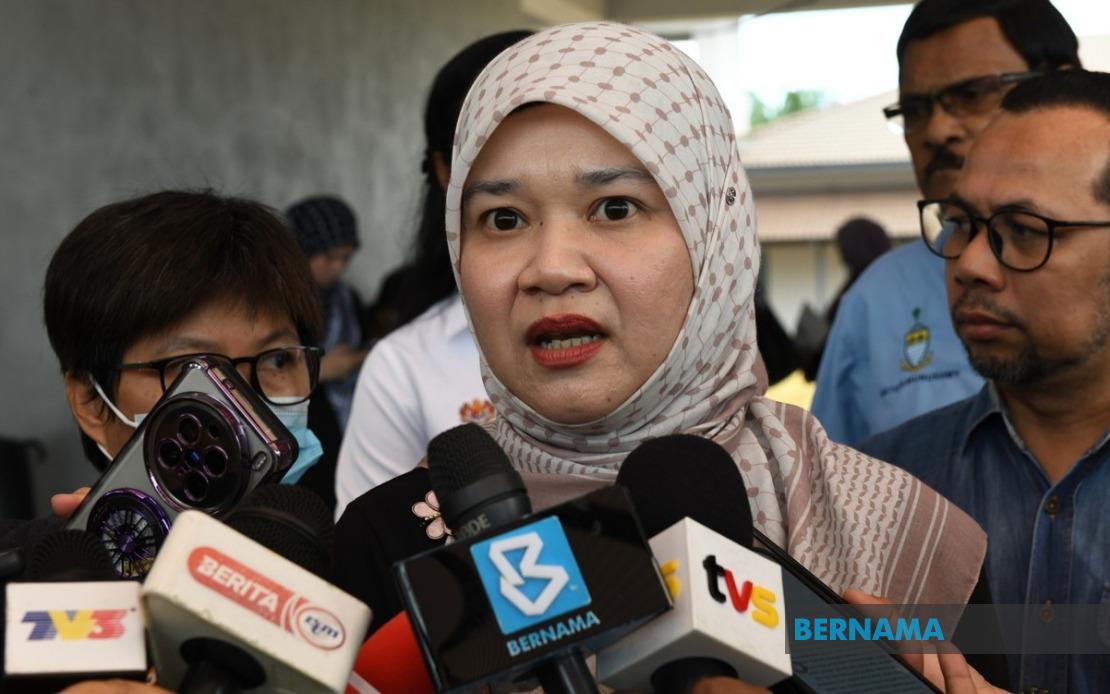
Education Minister Fadhlina Sidek released a statement acknowledging the profound impact of the incident on the school community and the deceased student's family. Her remarks emphasized that public concerns — particularly those touching on bullying and racial discrimination — must be treated with utmost seriousness and resolved expeditiously, grounded firmly in factual evidence and adherence to established legal and administrative procedures. This framing reflects growing national anxiety about the prevalence of bullying in Malaysian schools and the role that interethnic tensions may play in such incidents.
The ministry's response reveals a coordinated, multi-agency approach to addressing the tragedy. Beyond the internal education sector investigation, the MOE has pledged complete cooperation with police authorities handling the criminal investigation, while simultaneously coordinating with the Social Welfare Department and Ministry of Health. This triangulated approach aims to ensure that all dimensions of the case — legal, medical, psychological, and administrative — are thoroughly examined and that no aspect of the student's circumstances is overlooked.
Critically, the ministry has prioritized immediate psychosocial support for the bereaved family, recognizing that the emotional toll of losing a child extends far beyond the immediate aftermath of death. Trained counselling teams have been deployed to provide professional mental health services, acknowledging that families require sustained, expert support as they navigate both grief and the complexities of an ongoing investigation.
Teachers at the affected school have been briefed on the investigation's progress and the legal proceedings underway, a measure designed both to keep staff informed and to underscore the seriousness with which the ministry treats the incident. By ensuring transparency with educators, the MOE aims to prevent speculation and rumour within the school environment while reassuring staff that their own welfare and professional concerns are being monitored and addressed.
The MOE's Smart Support Team has been mobilized to provide crisis intervention services specifically targeting students who may have been affected by the incident or who may be struggling with the emotional aftermath. This preventive mental health initiative reflects best practice in school crisis management, recognizing that the death of a peer can trigger anxiety, guilt, and emotional distress among the broader student body. By deploying trained crisis counsellors, the ministry seeks to protect student mental health and prevent secondary trauma within the school community.
The emphasis on creating a safe educational environment free from bullying and discrimination signals broader policy concerns within Malaysia's education system. Bullying — particularly when it intersects with ethnic or religious tensions — represents a persistent challenge in Malaysian schools, where student diversity creates both opportunities for integration and potential flashpoints for conflict. The ministry's commitment to rooting out such behaviour reflects recognition that schooling should be a space where all students feel secure and valued.
This incident arrives at a moment of heightened public scrutiny regarding school safety in Malaysia. Parent advocacy groups and civil society organizations have increasingly raised concerns about inadequate reporting mechanisms, insufficient anti-bullying protocols, and the sometimes dismissive attitudes of school authorities toward student complaints. The ministry's comprehensive response to this particular case may signal a shift toward more rigorous accountability and proactive safeguarding measures across the system.
The involvement of multiple government agencies underscores how student deaths in schools implicate not just education policy but also public health, law enforcement, and social welfare. Each ministry brings distinct expertise and jurisdictional authority to bear, yet coordination challenges can arise when agencies operate in parallel. The MOE's explicit statement of cross-agency cooperation suggests awareness of these potential friction points and a commitment to ensuring seamless information-sharing and unified objectives.
For Malaysian parents and educators, the case raises uncomfortable questions about whether existing safeguards are sufficient. Despite policies and programs addressing bullying and discrimination, incidents continue to occur, suggesting either inadequate implementation or the evolving nature of bullying in an age of social media and digital communication. The ministry's investigation will likely examine not only what happened to this particular student but also systemic gaps that allowed the circumstances to develop unchecked.
Moving forward, the investigation's findings may shape policy reforms affecting how schools identify at-risk students, respond to bullying complaints, and foster inclusive environments across Malaysia's diverse education system. The ministry's priority of ensuring justice while safeguarding the educational environment suggests that recommendations may address both accountability for any institutional failures and preventive measures to protect current and future students. For the school community and the nation watching closely, the thoroughness and transparency of this investigation will indicate whether Malaysia's education system can adequately protect its most vulnerable charges.

