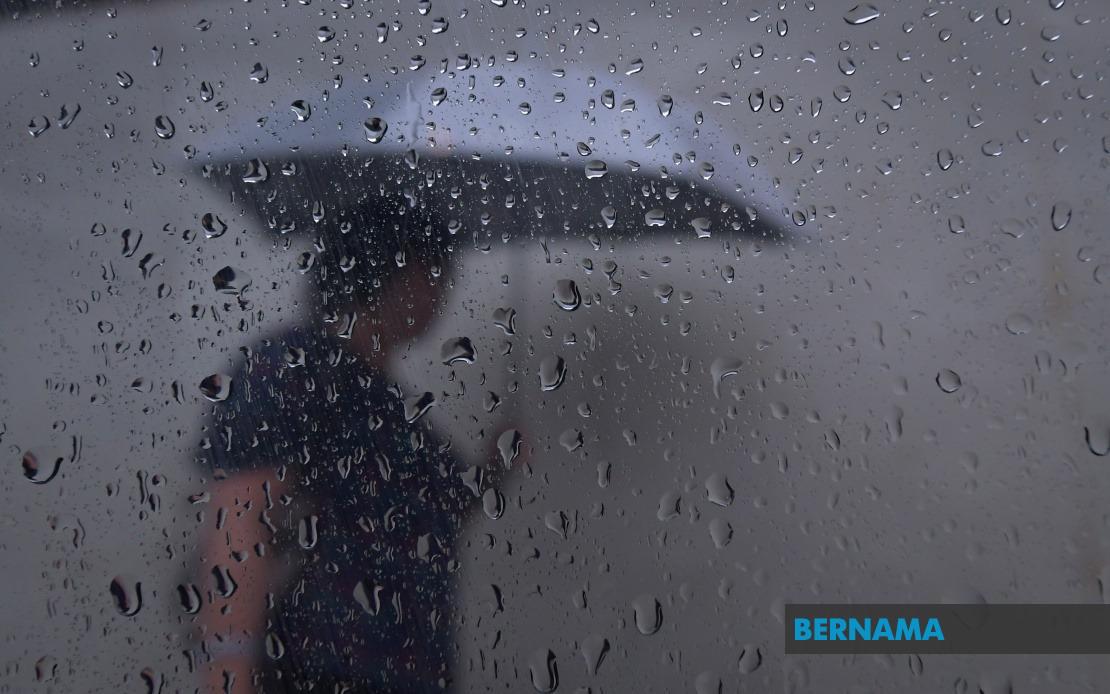
Nearly 25,000 early voters in Johor are preparing to cast ballots tomorrow across 64 designated polling stations as the state gears up for its 16th election, but weather conditions are expected to pose challenges for the process. The Johor Meteorological Department has issued forecasts indicating that four districts will experience precipitation during morning hours, potentially affecting voter turnout and the smooth conduct of polling activities.
According to Johor MetMalaysia director Azlai Ta'at, the districts of Batu Pahat, Muar, Pontian, and Tangkak face the highest probability of morning showers. This geographic concentration of wet weather in the western and southern portions of the state suggests a weather system affecting a distinct region rather than statewide conditions. The forecast carries particular significance given that early voting sessions begin at 8 am and many voters may plan their visits during morning hours when they expect clearer skies.
In contrast, several other districts appear likely to enjoy clearer conditions during the morning period. Johor Bahru, Segamat, Kluang, Kota Tinggi, Mersing, and Kulai are predicted to experience fine and sunny weather in the early hours, which may draw concentrations of early voters to these areas. This disparity in weather patterns across the state reflects the tropical climate's unpredictability and the challenge faced by election administrators in ensuring equitable conditions throughout a geographically dispersed voting process.
The meteorological forecast takes a more pessimistic turn regarding afternoon conditions. Azlai warned that by the afternoon hours, weather is anticipated to deteriorate significantly, with thunderstorms forecast across all districts in Johor without exception. This statewide deterioration suggests a broader weather system will move across the state as the day progresses, potentially disrupting voting operations during afternoon hours when the second wave of early voters may be casting their ballots. The timing of this predicted weather shift creates a critical window for voters who wish to avoid longer queues and weather-related disruptions.
Given these meteorological challenges, Azlai has strongly advised voters to participate in the early voting process during morning hours when conditions are comparatively more favorable. This guidance effectively creates a coordinated call for voters to compress their participation into a narrower timeframe, potentially leading to higher concentrations of people at polling stations during the early morning period. The practical implication is that early voting centres may experience significant crowding during optimal weather windows, creating management challenges for election officials.
The early voting cohort represents a specific segment of the electorate with distinct circumstances. Among the 24,751 early voters expected to participate, 12,041 are Malaysian Armed Forces personnel along with their spouses, comprising roughly half the early voting population. The remaining 12,710 voters consist of Royal Malaysia Police and General Operations Force personnel and their spouses. This composition reflects the security forces' operational requirements and the institutional need to accommodate their voting participation despite potential deployment schedules around election day.
Operationally, the 64 early voting stations distributed across Johor will open with staggered closing times depending on each centre's location and the number of registered voters assigned to it. Most centres are expected to close between noon and 6 pm, though some variation may occur. This operational flexibility is intended to accommodate different voter traffic patterns across various districts while ensuring that the voting window remains sufficiently open for all early voters to participate without undue time pressure.
The Johor 16th state election represents a significant electoral undertaking in terms of scale. Approximately 2.7 million eligible voters across the state will participate in the standard election scheduled for Saturday, casting ballots across 1,140 polling centres. The state is divided into 56 state seats, for which 172 candidates are contesting. This candidate-to-seat ratio of approximately 3.07 candidates per seat suggests a moderately competitive electoral environment with multiple challengers in most constituencies.
The early voting process serves an important democratic function by enabling security personnel to exercise their franchise without disrupting critical operational duties. However, the concentration of these voters into a single day ahead of the main election creates logistical challenges that interact with environmental factors. The weather forecast highlights how natural conditions can intersect with administrative planning, potentially affecting participation rates and the orderly conduct of voting procedures.
For voters who are eligible for early voting and considering whether to participate tomorrow, the meteorological advice creates clear incentives for morning participation. The combination of morning showers in several districts and afternoon thunderstorms across all areas suggests that weather-related barriers to voting will intensify as the day progresses. Voters in affected districts who delay their participation risk encountering both heavier precipitation and potentially more crowded polling stations as others seek to vote before afternoon storms arrive.
The election's broader context involves a state with significant population diversity and geographic spread, from urban centres like Johor Bahru to more dispersed rural and semi-urban areas throughout districts like Segamat and Mersing. Weather patterns typically vary across these different zones, and the specific identification of four districts facing morning showers reflects localized meteorological conditions rather than a uniform statewide system during morning hours. This geographic specificity may actually assist voters in making informed decisions about optimal timing for their participation.
As the state election campaign enters its final phase ahead of Saturday's main polling day, the weather forecast adds a practical dimension to voters' decision-making processes. Election administrators have presumably taken meteorological information into account when planning early voting logistics, though the actual execution will depend on how quickly weather systems move and whether conditions match current predictions. The next 24 hours will reveal whether the forecast accurately captures the atmospheric conditions and how effectively the early voting process accommodates both the security forces' personnel and the environmental challenges they may face.

