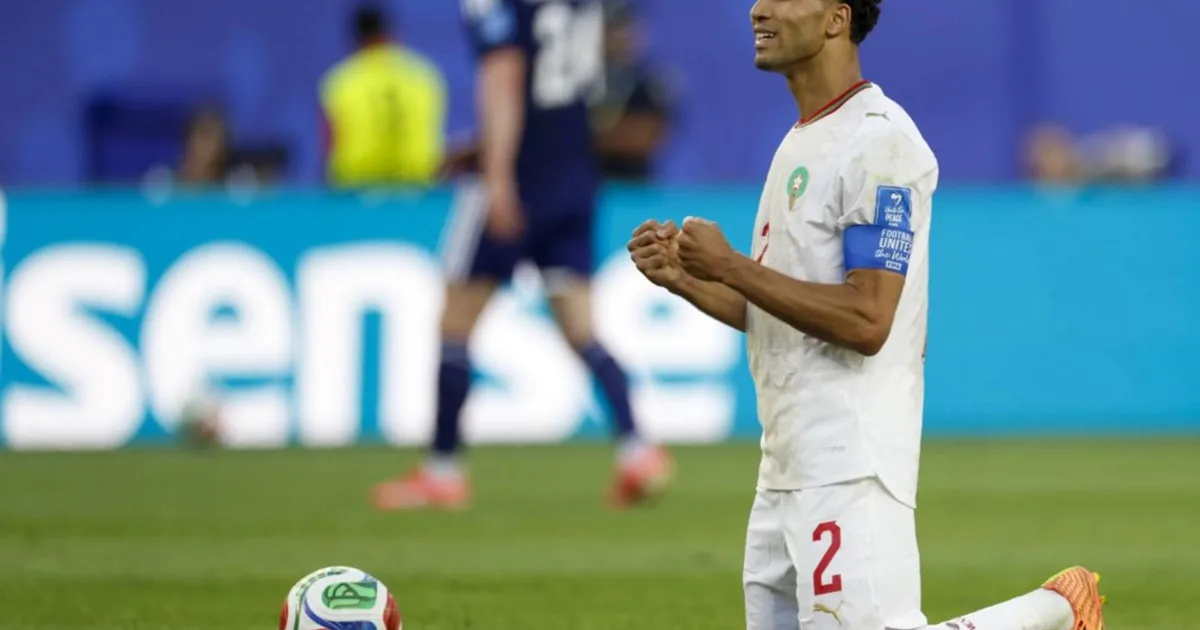
Morocco's World Cup coach has publicly backed Achraf Hakimi, asserting that the Paris Saint-Germain defender is maintaining his composure as he confronts rape allegations centring on an incident in the Paris region in 2023. The embattled right-back has consistently and firmly denied the accusation levelled against him by a 24-year-old woman.
The coach's statement represents a significant show of institutional support for Hakimi at a time when the player faces considerable scrutiny both in the sporting realm and through the justice system. Such backing from senior figures within the national team structure can prove crucial for athletes navigating serious legal challenges, as it signals that their professional standing remains intact despite the cloud of controversy surrounding their personal circumstances.
Hakimi's situation exemplifies the mounting pressure elite footballers experience when personal legal matters intersect with their professional obligations. The defender, who has established himself as one of Europe's premier attacking full-backs through his performances at PSG, must now manage the psychological demands of competing at the highest level while simultaneously preparing for legal proceedings. This duality creates unique stress that extends far beyond typical match preparation.
The Morocco national team's positioning on this matter carries weight within African football. As a nation that performed respectably at the FIFA World Cup, Morocco's continued confidence in a key defensive player sends a message about how the country's football establishment views the situation. Public statements from coaching staff invariably influence perceptions among supporters, media commentators, and international observers, potentially affecting how the case unfolds in the court of public opinion.
From a Southeast Asian perspective, this case serves as a reminder that elite football transcends geographical boundaries, with legal proceedings involving international players increasingly drawing global attention. Malaysian and regional football enthusiasts invest emotionally in these narratives, as events in European leagues directly influence domestic football discourse and shape how players understand their responsibilities both on and off the pitch.
The implications for Hakimi's career trajectory remain uncertain. Professional athletes facing serious legal allegations often experience periods of uncertainty regarding their club status, international selections, and commercial arrangements. While PSG has not publicly signalled any changes to Hakimi's status, the ongoing nature of the proceedings means that circumstances could shift depending on how the legal process develops.
It is noteworthy that the coach's comments emphasise Hakimi's emotional state rather than addressing the substantive allegations themselves. This strategic positioning allows the national team to maintain loyalty to a key player while avoiding direct engagement with the merits of the case. Such an approach has become common practice in modern sports management, where institutional preservation often takes precedence over publicly litigating sensitive matters.
The broader context of athlete accountability in contemporary sport cannot be overlooked. High-profile cases involving international players accused of serious crimes have prompted extensive discussions within football communities about duty of care, institutional responsibility, and the balance between supporting players and acknowledging victim perspectives. These conversations remain contentious and multifaceted, resisting simplistic resolution.
For Malaysian readers following European football, Hakimi's situation underscores the gap between sporting excellence and personal conduct. The defender's technical abilities and contributions to PSG's tactical framework remain undeniable, yet the legal allegations introduce an unavoidable dimension to how his legacy might ultimately be assessed. This complexity mirrors broader societal discussions about separating artistic or athletic achievement from the personal choices of public figures.
The timeline of these proceedings will likely extend considerably, given the nature of such cases within the French legal system. Throughout this period, Hakimi must continue fulfilling his professional obligations while maintaining focus on his defence. The degree to which he can compartmentalise these competing demands will substantially influence both his on-field performance and the psychological wellbeing required to navigate protracted legal proceedings.
Morocco's unwavering public support, articulated through the coach's statements, potentially provides Hakimi with valuable psychological scaffolding during an evidently challenging period. Whether this external encouragement translates into sustained performance improvements or emotional stability remains to be seen as the case progresses through the French courts. The intersection of justice, sports, and personal resilience continues to define this unfolding narrative.
%22%2F%3E%3C%2Fpattern%3E%3C%2Fdefs%3E%3Crect%20width%3D%22100%25%22%20height%3D%22100%25%22%20fill%3D%22url(%23ph24rdpg)%22%2F%3E%3Crect%20width%3D%22100%25%22%20height%3D%22100%25%22%20fill%3D%22url(%23ph24rdpp)%22%2F%3E%3Ctext%20x%3D%2250%25%22%20y%3D%2250%25%22%20text-anchor%3D%22middle%22%20dominant-baseline%3D%22central%22%20fill%3D%22rgba(255%2C255%2C255%2C0.95)%22%20font-family%3D%22Georgia%2C%20'Times%20New%20Roman'%2C%20serif%22%20font-weight%3D%22700%22%20font-size%3D%22170%22%20letter-spacing%3D%22-0.02em%22%3EMalaysia%3C%2Ftext%3E%3C%2Fsvg%3E)
%22%2F%3E%3C%2Fpattern%3E%3C%2Fdefs%3E%3Crect%20width%3D%22100%25%22%20height%3D%22100%25%22%20fill%3D%22url(%23ph16szhg)%22%2F%3E%3Crect%20width%3D%22100%25%22%20height%3D%22100%25%22%20fill%3D%22url(%23ph16szhp)%22%2F%3E%3Ctext%20x%3D%2250%25%22%20y%3D%2250%25%22%20text-anchor%3D%22middle%22%20dominant-baseline%3D%22central%22%20fill%3D%22rgba(255%2C255%2C255%2C0.95)%22%20font-family%3D%22Georgia%2C%20'Times%20New%20Roman'%2C%20serif%22%20font-weight%3D%22700%22%20font-size%3D%22136%22%20letter-spacing%3D%22-0.02em%22%3ECourt-Ord%E2%80%A6%3C%2Ftext%3E%3C%2Fsvg%3E)