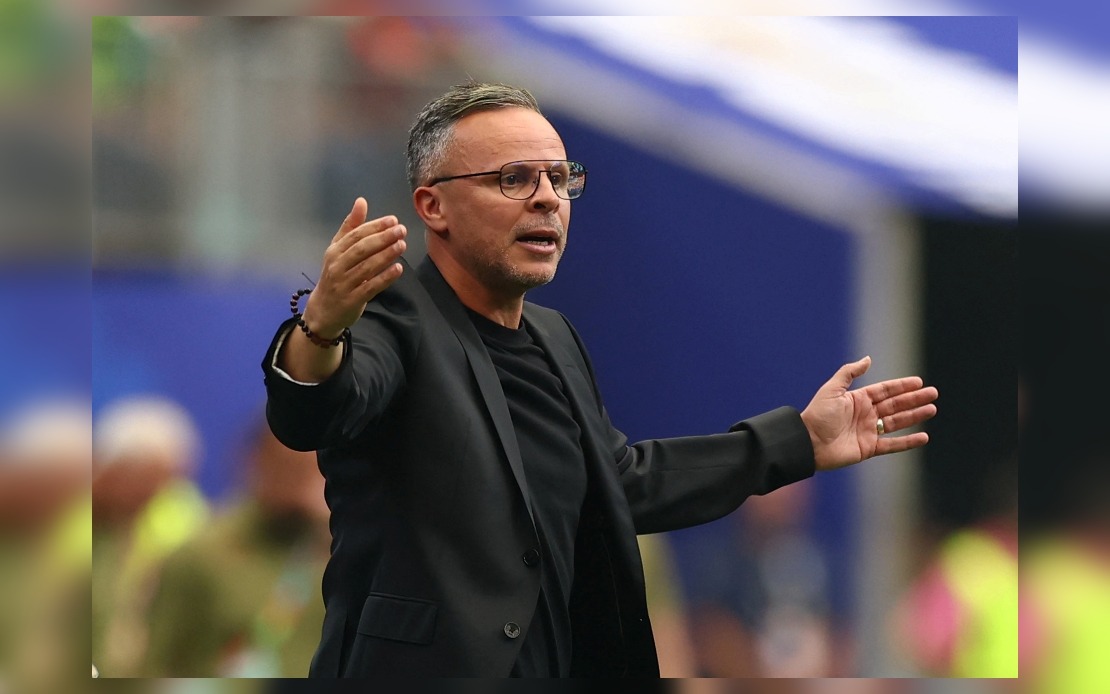
Morocco's transformation into a legitimate World Cup contender was underscored by head coach Mohamed Ouahbi following his team's dominant 3-0 demolition of Canada in Houston on Saturday. The emphatic scoreline signals that the North African nation, which reached the semifinals just a year earlier, has matured significantly on football's biggest stage. Ouahbi made clear that Morocco's rising status stems not from luck or circumstance, but from genuine footballing quality that the world must now respect.
The coach's declaration that Morocco is no longer viewed as a "surprise" but as a "major footballing nation" reflects a fundamental shift in how the team is perceived internationally. This perception change carries significant weight in football discourse, particularly for a nation that has spent decades building its infrastructure and tactical approach. Ouahbi emphasised that while the achievement brings immense pride to Morocco, the journey is far from complete. His statement that "this is only the beginning" suggests ambitions extending well beyond the quarterfinal stage, with aspirations rooted in concrete improvements rather than mere optimism.
The manner of Morocco's victory provided tactical evidence to support Ouahbi's confidence. Canada's opening half saw the co-host nation apply relentless pressure, creating an aggressive approach that caught Morocco on their heels and forced uncharacteristic errors. The intensity of Canada's pressing and the speed of their transitions created genuine difficulties for the Atlas Lions, suggesting that the Moroccan team faced a formidable opponent despite the eventual scoreline suggesting otherwise.
However, Morocco's second-half adjustment demonstrated the kind of maturity expected of a serious World Cup competitor. Rather than being overawed by Canada's intensity, Ouahbi's tactical modifications shifted the game's dynamics entirely in Morocco's favour. The introduction of different formations and positioning allowed Morocco to retain possession more effectively whilst simultaneously exploiting the space that Canada's aggressive setup inadvertently created. This adjustment proved devastating, with Azzedine Ounahi scoring twice before Soufiane Rahimi added a third in the closing stages.
Ouahbi's explanation of the tactical shift reveals the thinking behind Morocco's dominance. By instructing his midfielders to play passes behind Canada's defensive line, Morocco forced the Canadians into a reactive posture, constantly defending with the opposing goal at their backs. This strategic approach transformed what had been a competitive first half into complete Moroccan control in the second period. The coach credited these specific changes with making the difference, indicating that preparation and in-game flexibility rather than superior individual talent drove the victory.
The coach's expectation of difficulty from Canada proves instructive for understanding Morocco's psychological approach. Rather than underestimating the opposition, Ouahbi had anticipated a stern examination, describing Canada as "a problem for us." This realistic assessment suggests Morocco enters each match with proper respect for their opponents, avoiding the complacency that sometimes affects tournament favourites. Ouahbi even noted that 3-0 scorelines remain rare in knockout football, implying that while the result was emphatic, it was also somewhat unexpected in its dominance.
Morocco's progression to the quarterfinals marks continuity with their 2022 achievement when they became the first African nation to reach the World Cup semifinals. That previous campaign established Morocco as genuine tournament contenders rather than minnows hoping for miraculous runs. The current campaign has allowed them to replicate that success whilst potentially improving upon it, depending on the quarterfinal outcome. This consistency validates years of investment in player development and tactical sophistication.
The next opponent presents a vastly different challenge. France's measured 1-0 victory over Paraguay suggests a team approaching their matches with defensive solidity and clinical finishing rather than spectacular displays. The prospect of facing the tournament favourites in the quarterfinals could have intimidated younger programmes, yet Ouahbi's response indicated no defensive mindset. His assertion that Morocco wants to "reach the final" demonstrates unambiguous confidence without reckless disregard for France's quality.
Ouahbi carefully framed the approaching encounter as an opportunity rather than a revenge scenario, distinguishing Morocco's mentality from that of teams motivated primarily by past disappointments. By emphasising the desire to progress "as far as possible" and "make our people proud," Ouahbi positioned the team's ambitions within a larger national narrative. For a North African nation with growing football infrastructure, these World Cup successes carry significance extending far beyond sport, embodying development and international standing.
The coach's insistence on maintaining "the same ambition and the same confidence" suggests Morocco has moved beyond treating tournament progression as bonus achievements. Instead, advancing through the rounds has become an expectation rooted in demonstrated ability. This psychological shift—from hopeful underdog to expected competitor—represents perhaps the most significant aspect of Morocco's development under Ouahbi's leadership, potentially positioning the nation as a consistent World Cup threat for tournaments to come.

