Malaysia's push to attract international visitors in the coming year has gained fresh momentum with a reinforced partnership between the Ministry of Tourism, Arts and Culture and Malaysia Aviation Group. The two organizations confirmed on August 21 that they are deepening their strategic cooperation to drive the Visit Malaysia Year 2026 campaign, which has been extended beyond its original timeline to maximize its impact on tourism arrivals and economic benefits.
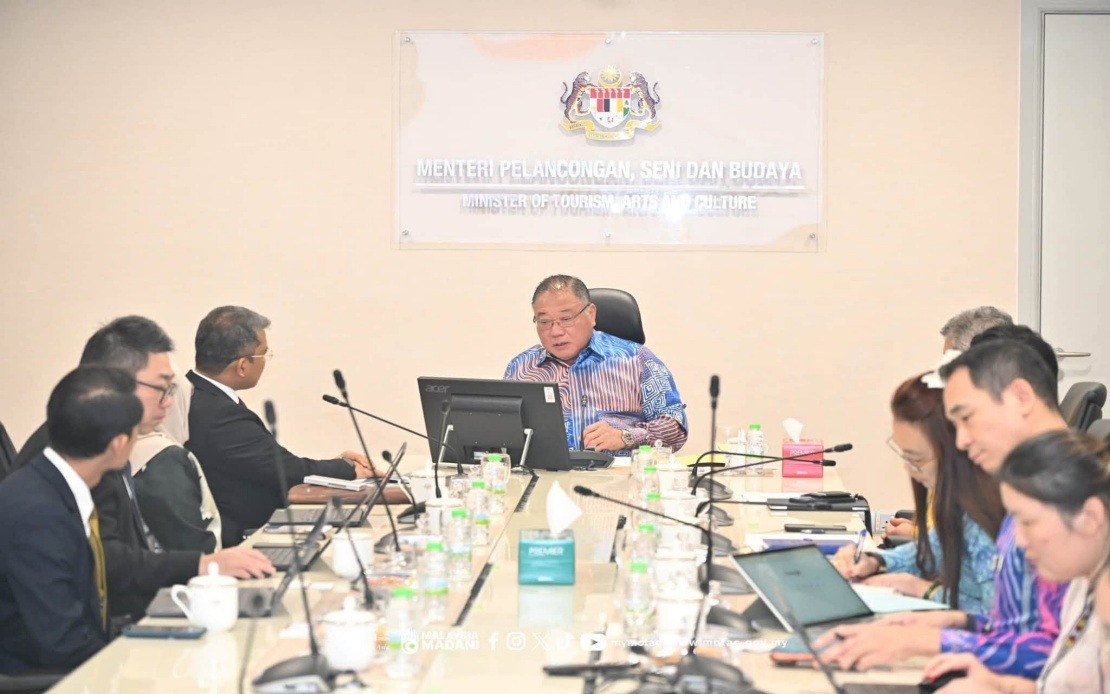
The expanded collaboration emerged from discussions between Tourism, Arts and Culture Minister Datuk Seri Tiong King Sing and Malaysia Aviation Group president and chief executive officer Captain Nasaruddin A Bakar. Their meeting underscored the government's recognition that aviation connectivity is fundamental to transforming Malaysia's tourism ambitions into tangible results. Without reliable, affordable, and extensive flight networks, even the most compelling tourism campaigns struggle to convert international interest into actual bookings and arrivals.
At the heart of this partnership lies an ambitious plan to extend Malaysia Aviation Group's international reach into three major source markets: India, China, and Europe. These regions represent significant pools of potential travelers, each with distinct travel patterns, preferences, and spending power. India's rapidly growing middle class has demonstrated strong appetite for regional travel, while Chinese tourists have historically ranked among Malaysia's top visitor demographics. European markets, though smaller, represent high-value visitors who typically stay longer and spend more per capita. Alongside geographic expansion, the airline group is exploring new destination connections, with Fukuoka in Japan identified as a promising hub that could unlock additional traffic flows from East Asia.
Beyond simply adding routes, both organizations recognize that filling aircraft seats during traditionally quiet periods requires coordinated commercial strategy. The partnership includes joint marketing campaigns and flight promotion initiatives specifically designed to boost passenger demand during low seasons—typically the period between peak holiday periods when leisure travel slackens. This approach reflects sophisticated demand management, using coordinated pricing, bundled offers, and targeted messaging to stimulate bookings when airlines would otherwise operate with excess capacity.
The collaboration extends deeper into the travel experience itself. Tourism quality depends not only on reaching destinations but on how travelers are treated throughout their journey. Malaysia Aviation Group has committed to enhancing multiple service dimensions that directly affect passenger satisfaction and willingness to recommend Malaysia to others. Improvements to cabin facilities address the physical comfort travelers experience during their flight, while upgrades to in-flight catering reflect Malaysia's reputation for diverse, high-quality cuisine. Equally important, comprehensive training for cabin crews ensures that every interaction between passengers and airline staff reinforces Malaysia's hospitality brand.
A critical dimension of this partnership focuses on strengthening Malaysia's domestic tourism supply chain. International visitors who arrive in Malaysia must find quality accommodations, attractions, dining, and entertainment that justify their travel investment. By working to increase benefits for local industry players—hotels, tour operators, restaurants, and cultural attractions—the ministry and airline group recognize that sustainable tourism growth depends on broadly distributed economic benefits. When local businesses flourish from tourism demand, they reinvest in their operations, creating a virtuous cycle of quality improvement and visitor satisfaction.
The timing of this partnership intensification reflects Malaysia's strategic positioning within Southeast Asian tourism competition. Regional rivals including Thailand, Indonesia, and Vietnam continue aggressively pursuing international visitors. Each competitor leverages unique cultural heritage, natural attractions, and geographic advantages. For Malaysia to maintain and grow its market share, it must offer not just compelling destinations but also seamless, convenient access. An airline group working in tandem with tourism authorities can orchestrate this entire value chain—from the moment potential visitors see flight availability online through their post-trip social media recommendations that influence future travelers.
The extended Visit Malaysia Year 2026 campaign reflects acknowledgment that transforming international visitation patterns requires sustained effort beyond a single calendar year. Tourism demand responds to multiple factors including global economic conditions, exchange rates, geopolitical circumstances, and word-of-mouth recommendations. By extending the campaign timeline, Malaysian authorities signal confidence in their strategy while providing sufficient window for compound marketing effects to accumulate. A passenger who visits Malaysia in early 2026 becomes a potential advocate influencing others to travel later that year or in 2027.
For Malaysia's economy, the implications extend well beyond tourism revenue alone. Aviation expansion requires investment in airport infrastructure, ground services, and supporting industries. Enhanced tourism flows stimulate demand across hospitality, retail, food service, transportation, and cultural sectors. The multiplier effects of tourism spending ripple through communities, generating tax revenue, employment, and business opportunities that benefit citizens across income levels. This explains why Malaysian authorities prioritize tourism sector development as part of broader economic diversification strategies.
From a regional perspective, strengthened Malaysia Aviation Group connectivity positions the airline as a more competitive player in Southeast Asian aviation markets. Enhanced networks and improved service quality can attract transfer passengers using Malaysia as a hub to reach other regional destinations. This hub function generates additional revenue streams beyond direct Malaysia tourism while reinforcing the country's position as a Southeast Asian travel gateway. The airline becomes not merely a transport provider but a strategic asset for Malaysia's regional economic positioning.
The partnership also reflects evolving sophistication in how governments approach tourism promotion. Rather than viewing tourism ministry and airlines as separate entities, this collaboration treats them as complementary components of an integrated system. The ministry provides demand-generation expertise, destination branding, and policy support while the airline group contributes connectivity, operational expertise, and commercial reach. This integrated approach acknowledges that modern tourism competition demands coordination across traditionally siloed sectors.
Looking forward, the success of this partnership will be measured not only in visitor arrival statistics but in qualitative indicators including visitor satisfaction, repeat visitation rates, average spending per visitor, and employment generation across tourism-dependent communities. These metrics ultimately determine whether the Visit Malaysia Year 2026 campaign achieves its deeper purpose: positioning Malaysia as a destination of choice for international travelers while building sustainable economic benefits for Malaysian communities and businesses.

