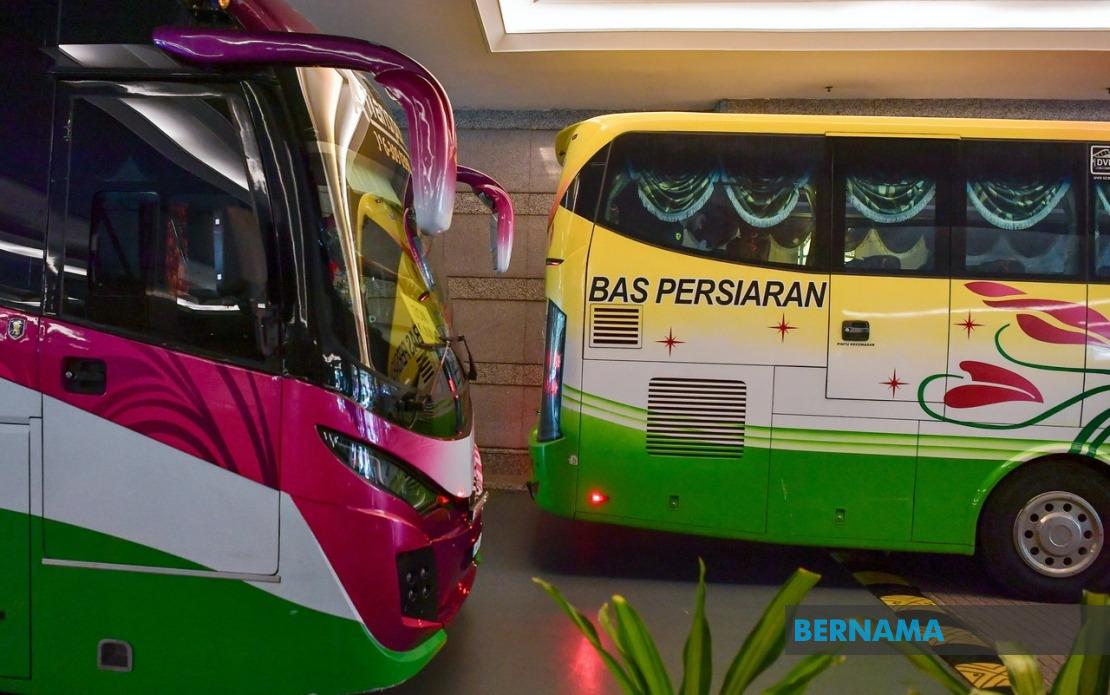
The Ministry of Tourism, Arts and Culture has issued an urgent appeal to tour bus operators and tourism associations across Malaysia to furnish comprehensive diesel consumption data and supporting documentation without further delay. The move comes as the government seeks to evaluate appropriate relief measures in response to recent diesel price escalations that have squeezed the operating margins of the country's coach and touring sector.
According to MOTAC's statement, the submission of detailed fuel consumption figures is essential groundwork for determining what form and scale of assistance would genuinely benefit affected operators. The ministry has indicated that the Ministry of Finance has signalled preliminary openness to considering aid proposals for the tour bus segment, but any concrete decisions will depend entirely on receiving complete and verifiable data from industry participants.
The tourism ministry has specifically requested operators and associations to provide not only current diesel usage statistics but also detailed comparative information showing fuel costs incurred during the period before the Middle East crisis and the costs incurred afterwards. This before-and-after analysis would allow policymakers to quantify the precise financial burden imposed on the sector by recent market movements and better calibrate the response. MOTAC noted that despite these requests, the required documentation has not yet been received from all stakeholders.
The call follows receipt of a formal memorandum from nine tourism associations highlighting the operational pressures created by elevated diesel prices. Subsequent to receiving this submission, MOTAC arranged direct engagement sessions with industry representatives to gather qualitative insights into the hardships being experienced. These consultations have provided the ministry with valuable perspective, but officials now emphasise that anecdotal evidence and general complaints must be supplemented with hard numerical evidence before any assistance framework can be designed or justified.
For Malaysian tourism operators facing margin compression from fuel costs, understanding the government's current position is important. The implicit message from MOTAC is that sympathy for the industry's predicament exists within the bureaucracy, but political and fiscal realities demand that any public spending on relief must be anchored in documented need. This approach reflects the government's broader commitment to targeted rather than blanket subsidies, a principle that has gained traction across Southeast Asian policymaking as inflation pressures have mounted.
The ministry has stressed that assistance cannot be allocated based on incomplete information or generalised claims of hardship. Doing so, MOTAC warned, risked either undershooting the actual needs of struggling operators or exceeding what fiscal prudence allows, either outcome generating frustration and criticism. The emphasis on data-driven decision-making suggests MOTAC is attempting to insulate relief policy from accusations of favouritism or inefficiency.
This development reflects broader challenges facing Malaysia's tourism sector as it attempts to recover from pandemic disruptions while contending with volatile commodity prices and international economic headwinds. Tour operators, particularly those running overland coach services for domestic and regional tourism, operate on relatively thin margins and are highly sensitive to fuel cost fluctuations. The diesel price shock has created acute financial pressure precisely when the industry should be consolidating its recovery.
The timeline for submission and subsequent evaluation remains unspecified, though MOTAC's language suggests some urgency. The ministry has committed to implementing assistance measures in staged phases once comprehensive assessment is complete, though it has also flagged that any relief package must take into account broader fiscal constraints and the imperative of sustainable economic growth. This caveat indicates that even successful data submission does not guarantee large-scale or permanent relief.
For industry associations and individual operators, the immediate imperative is clear: compile and forward detailed records demonstrating fuel consumption patterns and cost impacts without further delay. Those who have already submitted their data can expect the evaluation process to accelerate, while laggards risk being left behind in the queue for consideration. MOTAC's repeated emphasis on urgency suggests that the window for data collection is narrowing and decisions may be reached within weeks rather than months.
The broader policy context here matters for regional observers. Malaysia's approach—coupling sympathetic acknowledgment of industry distress with insistence on rigorous data before committing public resources—represents a pragmatic middle ground between ignoring legitimate sectoral complaints and reflexively deploying blanket subsidies. As tourism sectors across Southeast Asia face similar fuel cost pressures, how Malaysia calibrates its response may offer lessons for neighbouring economies grappling with comparable questions about supporting affected industries without derailing fiscal discipline.
The success of MOTAC's initiative ultimately depends on the willingness and capacity of tour operators to compile and submit the requested information promptly. Industry fragmentation, with small and medium-sized operators often lacking sophisticated record-keeping systems, could impede this process. Associations will likely play a crucial intermediary role, helping members gather and organise the necessary data for submission. The coming weeks will test whether the industry can mobilise this collective effort or whether bureaucratic and logistical obstacles will prevent timely data provision.

