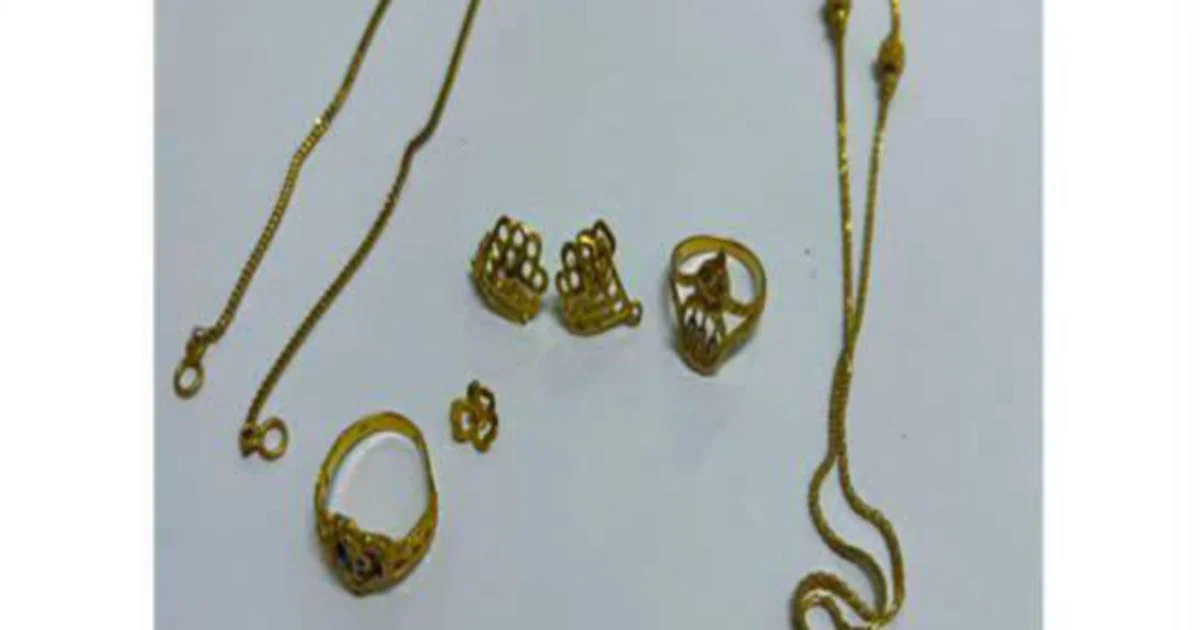
Authorities in Ipoh have taken into custody a mother alongside her two children following allegations that they impersonated government welfare officers to defraud an elderly woman of significant valuables. The victim, a 67-year-old resident, lost jewellery worth approximately RM8,000 in what investigators believe was a coordinated deception scheme. The arrest represents another concerning incident in a pattern of increasingly brazen social engineering crimes targeting vulnerable populations across Malaysia.
The three suspects exploited a common confidence trick that relies on the victim's natural trust in official government channels. By presenting themselves as welfare department personnel, the perpetrators gained access to the elderly woman's home and built sufficient rapport to convince her to surrender her valuables. The sophistication of such schemes often lies not in elaborate technical preparation but in the psychological manipulation of targets who are less likely to question authority figures. This particular case demonstrates how family units can be mobilised as crime syndicates, with each member playing a specific role in the execution of fraud.
The monetary loss incurred by the victim underscores the material impact such crimes have on elderly individuals whose savings and assets often represent decades of accumulated wealth and security. For senior citizens living on fixed incomes or pensions, the sudden loss of RM8,000 in jewellery can represent a substantial portion of their financial resources and create lasting psychological trauma beyond the immediate material harm. Jewellery is often targeted by such criminals because it carries both significant monetary value and emotional significance to older victims, making it easier to convince them to relinquish items that might otherwise be protected.
Ipoh, the capital of Perak, has become an increasing focal point for various fraud and scam operations in recent years. The city's combination of an ageing demographic, relative familiarity among residents which facilitates trust-based cons, and diverse neighbourhoods providing anonymity for perpetrators has created conditions conducive to such crimes. Law enforcement in the state has intensified efforts to combat these activities, recognising that victim demographics—particularly elderly individuals and those in lower-income brackets—require specialised protective strategies.
The impersonation of government officials represents a serious breach of public trust and carries specific legal implications. Perpetrators who falsely claim authority by mimicking welfare officers or other civil servants face enhanced charges beyond simple fraud, as they weaponise the legitimacy of state institutions to facilitate their crimes. Malaysian law enforcement agencies have recognised this aggravating factor and typically pursue such cases vigorously to maintain public confidence in genuine government services and their representatives.
Family-based crime networks present particular investigative challenges and raise important questions about criminal recruitment and complicity. The involvement of the perpetrator's children suggests either coercion or a learned behavioural pattern within the household unit. Understanding the dynamics that lead family members to participate in systematic fraud is crucial for developing preventive interventions and rehabilitation approaches, particularly when younger individuals are involved.
The case highlights systemic vulnerabilities in how elderly people interact with authority figures and government services. Many senior citizens were raised in an era when official credentials and uniforms commanded near-automatic compliance and respect, making them less inclined to scrutinise presented credentials or verify claims through independent channels. Scammers exploit this generational characteristic deliberately, recognising that resistance and scepticism are lower among populations conditioned by historical social norms.
Police in Perak have urged residents to remain vigilant about unsolicited visits from individuals claiming government affiliation. Genuine welfare officers typically provide verifiable identification and can be checked against official databases, yet many victims find themselves psychologically unprepared to demand such verification, particularly in their own homes where they feel obligated to be hospitable. Community awareness campaigns have had limited success in combating such crimes because they appeal to rationality, while scammers exploit emotional vulnerabilities and ingrained social conditioning.
The investigation into this case will likely reveal operational patterns that extend beyond the single incident. Police typically examine whether the trio targeted other elderly residents or if this represents their first identified fraud. Cross-referencing reports of impersonation and home-based scams in the Ipoh area may connect additional victims to this criminal network, potentially increasing charges and identifying a broader pattern of organised fraud activity.
For Malaysia's growing elderly population, this case serves as a sobering reminder of escalating security threats in an increasingly sophisticated criminal landscape. While law enforcement continues pursuing individual perpetrators, the underlying challenge requires multi-pronged responses involving community education, institutional safeguards, family support systems, and technology-enabled verification mechanisms. The arrest of this particular group addresses one manifestation of a deeper problem affecting vulnerable populations across the country.

