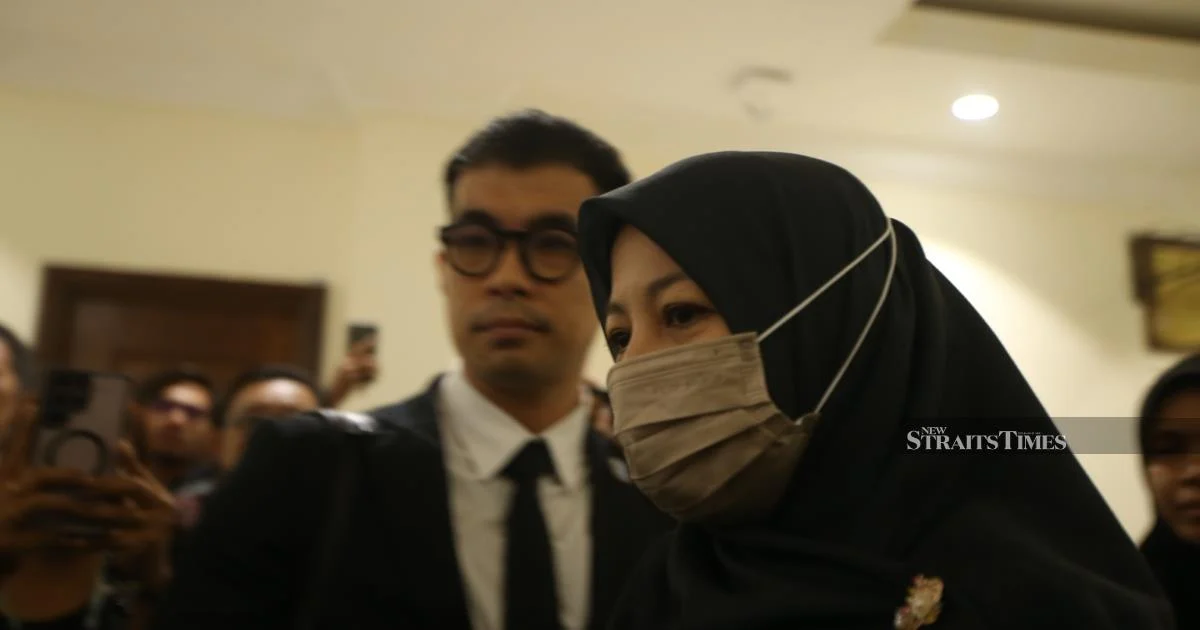
The death of a teenager has opened a window into difficult questions about school selection and parental decision-making, with the mother of the deceased expressing profound regret during judicial proceedings in Kota Kinabalu. During the coroner's inquiry into the circumstances surrounding the death of Zara Qairinah Mahathir, the court heard testimony from her mother, Noraidah Lamat, who disclosed that she had come to regret the choice to send her daughter to SMKA Tun Datu Mustapha. This candid admission provides a rare glimpse into the emotional weight that parents carry when making educational decisions for their children, particularly in cases where tragedy follows.
The coroner's court serves as a fact-finding mechanism to determine the circumstances and cause of death, and in this instance, the proceedings have drawn attention to the educational institution involved. SMKA Tun Datu Mustapha, located in Sabah, is a religious secondary school that forms part of Malaysia's diverse education system. Islamic-stream schools (SMKA) play a significant role in the country's educational landscape, serving students who pursue both religious and secular curricula in parallel. The school's presence in the inquiry suggests that questions have arisen about the environment or conditions the student experienced during her time there.
Parental regret, particularly when articulated in a formal legal setting, often signals that circumstances surrounding a child's welfare may not have been adequately anticipated or managed. When mothers and fathers revisit the decisions they made about their children's schooling, it typically stems from observations that the educational environment did not meet expectations, or in more serious cases, that the setting may have contributed to harm. Noraidah Lamat's testimony in court carries weight precisely because it represents not merely personal reflection but a formal acknowledgment made under the scrutiny of judicial examination.
The Malaysian education system offers parents multiple pathways for their children's secondary schooling, including mainstream national schools, religious schools, international schools, and specialist institutions. Decisions about which route to take are influenced by factors ranging from academic reputation and religious values to proximity and family tradition. For families committed to religious education, schools like SMKA Tun Datu Mustapha represent an option that balances formal qualifications with Islamic instruction. Yet parental choice in education must also account for individual student temperament, social adjustment, mental health support systems, and overall institutional care mechanisms.
The inquiry into Zara Qairinah Mahathir's death raises broader implications for how Malaysian schools, particularly those catering to younger adolescents, manage student welfare and pastoral care. Coroner's investigations into deaths involving minors frequently explore whether institutions identified warning signs, whether adequate mental health support was available, and whether communication between school staff and parents was sufficient. When parents express regret about school choices in such proceedings, it often reflects unmet expectations regarding the duty of care that educational institutions should provide.
For Malaysian families, this case underscores the importance of thorough research before selecting a secondary school for their children. Beyond academic rankings and curriculum offerings, parents are increasingly recognising the need to investigate the pastoral care framework, counselling services, teacher training in student welfare, and the institution's responsiveness to individual student needs. The emotional and psychological wellbeing of students during their teenage years is now recognised as integral to their educational journey, not peripheral to it.
The coroner's court process itself plays a crucial public health function in Malaysia. Through investigations into deaths, particularly those involving young people, the courts generate findings and recommendations that can prompt institutional and systemic reforms. Schools and education authorities take note of inquest findings, and recommendations emerging from coroner's courts have historically led to improved safety protocols, better mental health resources, and enhanced communication procedures in educational settings across the country.
Motherland's testimony also highlights the isolation that can characterise parental experience when concerns about a child's school placement emerge. Without adequate channels for expressing concerns or receiving guidance, parents may second-guess their decisions in isolation. This underscores the value of school-parent partnership frameworks, regular welfare check-ins, and clear escalation procedures when a student appears to be struggling academically, socially, or emotionally. Educational institutions in Malaysia have increasingly moved toward implementing such frameworks, though inconsistent implementation across different schools remains a challenge.
For the broader Southeast Asian context, student welfare in educational institutions remains an area requiring sustained attention. Rapid changes in school environments, digital connectivity, and adolescent pressures create complex challenges that require trained professionals and supportive institutional cultures. Noraidah Lamat's regret, expressed in a public legal forum, serves as a reminder to policymakers, educators, and parents that educational choices carry profound implications and that institutions must be held accountable for the complete wellbeing of students in their care.
The proceedings in Kota Kinabalu will likely generate findings that extend beyond the specific circumstances of this case. Coroner's recommendations following inquiries into young people's deaths frequently translate into policy guidance for school administrators and education ministry officials, shaping how Malaysian institutions approach student welfare, mental health support, and crisis response mechanisms. As the inquiry progresses, the testimony provided by Noraidah Lamat contributes to a broader societal conversation about what constitutes adequate duty of care in schools and what parents can reasonably expect from educational institutions entrusted with their children's development.

