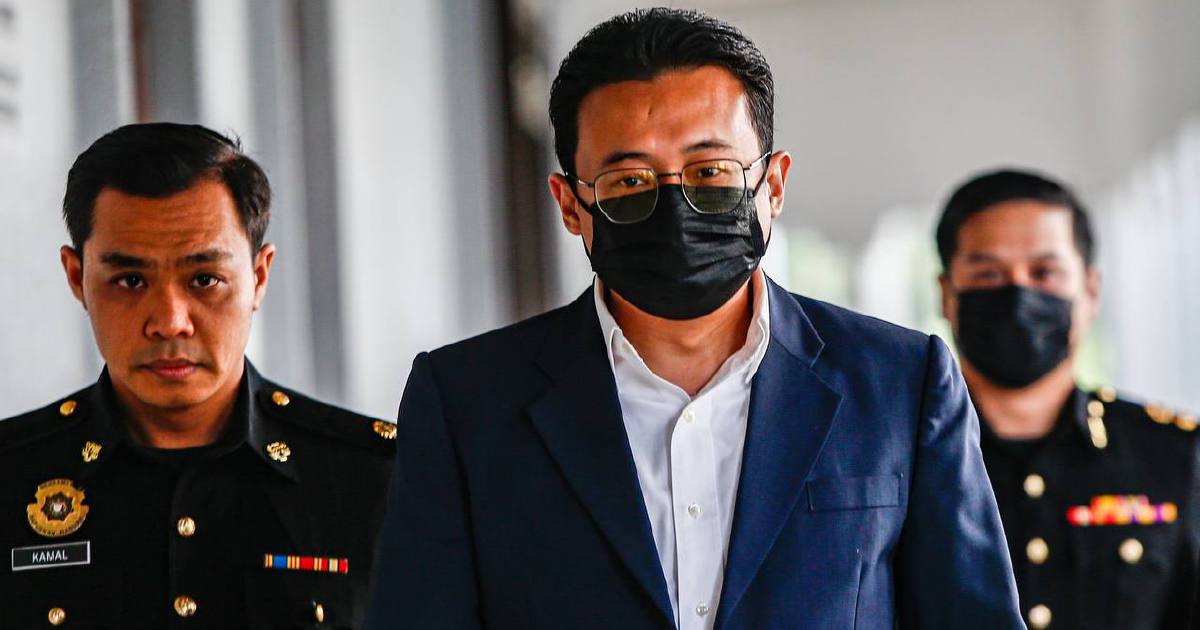
The chief executive officer of Malaysia Stadium Corporation entered a not guilty plea at Sessions Court today, refuting allegations that he solicited and accepted bribes worth RM1.45 million to steer a tender for National Squash Centre improvements towards a particular company. The seven charges represent a significant moment in Malaysia's ongoing efforts to combat corruption within public institutions managing sporting facilities, a sector that has faced heightened scrutiny in recent years.
The allegations centre on the executive's conduct during the tendering process for upgrading Malaysia's premier squash facility. Prosecutors contend that he sought financial incentives in exchange for arranging for a specific contractor to be awarded the contract, a practice that would undermine the integrity of public procurement mechanisms designed to ensure fair competition and value for money. Such allegations are particularly sensitive given the public nature of Malaysia Stadium Corporation's operations and its role in managing national sporting infrastructure.
The RM1.45 million figure cited in the charges represents a substantial sum, reflecting the scale of the alleged impropriety. The multiple charges filed suggest a pattern of behaviour rather than an isolated incident, with prosecution evidence apparently spanning several transactions or interactions. The number of counts also indicates that authorities have documented specific occasions when the alleged wrongdoing occurred, strengthening the evidential foundation for the case.
Malaysia Stadium Corporation operates several national sporting venues and plays a crucial role in hosting international and domestic competitions. The integrity of its procurement processes directly impacts the quality of facilities available to Malaysian athletes and the nation's capacity to host major sporting events. Corruption allegations involving senior management therefore carry implications extending beyond the individual defendant to the institution itself and public confidence in sports infrastructure development.
The National Squash Centre, the facility at the heart of this case, holds particular significance for Malaysian sports. Squash has historically been a strong sporting discipline for Malaysia, and maintaining world-class facilities is essential for developing elite athletes and supporting grassroots participation. Any process that compromises fair tendering for such upgrades risks degrading the quality of sporting infrastructure available to players and potential future champions.
The case unfolds against a broader backdrop of anti-corruption efforts in Malaysia. The Malaysian Anti-Corruption Commission has intensified prosecutions in recent years targeting public sector graft, particularly within government-linked corporations and agencies managing substantial public funds. Charges against senior corporate executives signal the commission's determination to pursue high-profile cases and demonstrate that no position provides immunity from investigation and prosecution.
Public procurement in Malaysia operates under strict regulatory frameworks designed to prevent exactly the type of conduct alleged in this case. Government-linked companies are expected to maintain even higher standards of governance than private entities, given their custodianship of public assets and resources. When such standards are allegedly breached by senior management, it raises questions about institutional oversight, internal controls, and the effectiveness of compliance mechanisms within the organisation.
The trial will likely examine documentary evidence related to the tendering process, communications between the defendant and the preferred contractor, financial transactions, and potentially witness testimony from company staff and bidding firms. The prosecution must establish beyond reasonable doubt that the defendant engaged in a deliberate scheme to solicit or accept payments conditional upon favouring a particular company. Defence strategy will probably challenge the interpretation of evidence and the characterisation of normal business interactions as corrupt conduct.
The implications of this case extend to Malaysian sporting bodies more broadly. If convicted, it would underscore the vulnerability of public sporting institutions to internal corruption and highlight the necessity for strengthened governance frameworks, competitive and transparent procurement processes, and robust whistleblower protections. Conversely, an acquittal would suggest either insufficient evidence or misinterpretation of the defendant's conduct, potentially raising questions about investigative procedures.
For Malaysia's sports sector, the case serves as a cautionary tale about procurement integrity. As the nation invests in upgrading sporting facilities and hosting international events, maintaining transparent and competitive tendering processes becomes increasingly important. Public confidence in sports administration depends substantially on the perceived fairness of resource allocation and contract awarding.
The Sessions Court proceedings will be closely watched by both sports administrators and governance observers. The evidence presented and legal arguments advanced will contribute to jurisprudence on corruption within sports institutions, potentially influencing how similar cases are prosecuted and defended. The outcome will send important signals regarding the consequences of alleged misconduct at senior levels of government-linked sporting organisations.
As the case progresses through the Malaysian court system, it highlights the tension between institutional loyalty and public accountability. Senior executives in public sporting bodies occupy positions of significant trust and responsibility. The allegations suggest a fundamental breach of that trust, and the court's verdict will ultimately determine whether the defendant's version of events—or the prosecution's account of corrupt conduct—prevails.