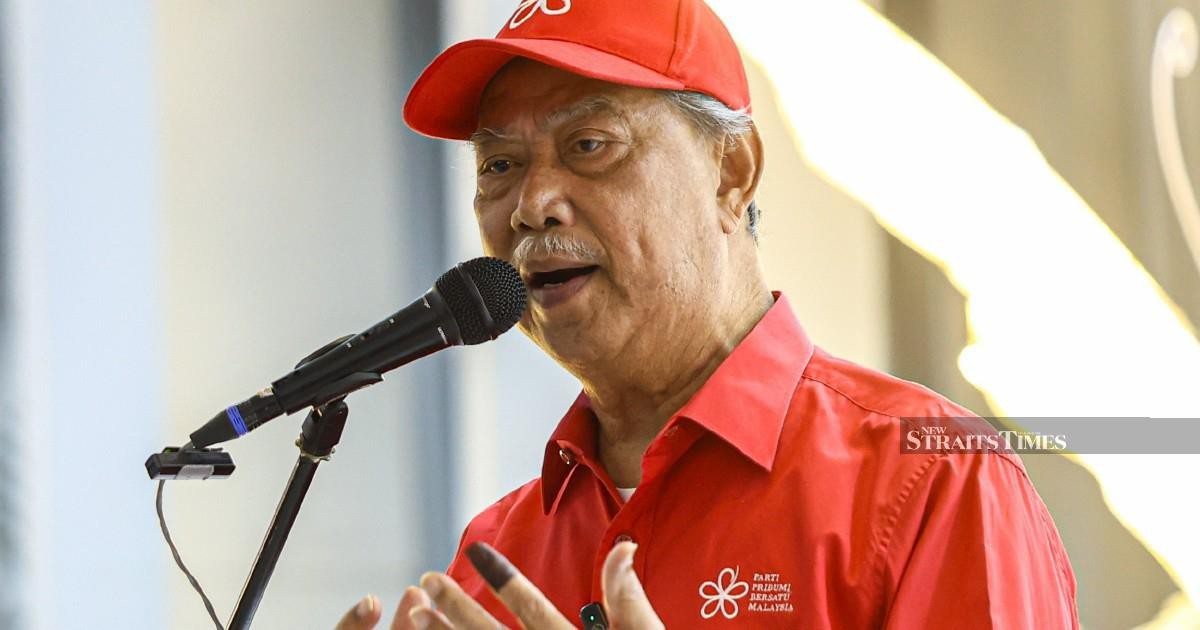
Bersatu president Tan Sri Muhyiddin Yassin has pushed for an expansion of the special parliamentary sitting dedicated to discussing the Royal Commission of Inquiry report into Lembaga Tabung Haji, requesting that lawmakers be granted additional days beyond the currently scheduled timeframe to thoroughly examine the inquiry's conclusions.
The call reflects broader concerns within the legislative chamber that the allocated duration may prove inadequate for the volume of pertinent issues requiring parliamentary scrutiny. Muhyiddin's intervention suggests that meaningful debate on such a consequential institutional review risks being truncated unless the sitting period is formally extended, a position that carries weight given his standing as a former Prime Minister and continued influence within the coalition.
Lembaga Tabung Haji, the pilgrimage fund management body that serves over two million Malaysian contributors, has long occupied a sensitive position in national discourse. The organisation manages the savings of working-class Malaysians preparing for the Hajj pilgrimage to Mecca, making its governance and financial stewardship matters of profound public concern. Any findings from a royal commission investigating the institution inevitably touch upon questions of accountability, investor protection, and the credibility of state-managed financial entities.
The Royal Commission of Inquiry into Tabung Haji was established to examine various aspects of the fund's operations and management, addressing longstanding public anxieties about how contributions have been handled and invested. The findings of such an inquiry carry substantial implications not only for the institution itself but for public confidence in Malaysia's regulatory frameworks governing pilgrimage-related financial services. Parliamentary debate on these findings thus represents a critical opportunity for lawmakers to engage with recommendations that may reshape how the organisation functions.
Parliamentary sittings dedicated to major inquiries typically allocate specific time blocks for debate, with scheduling constraints often creating bottlenecks that limit the number of members who can contribute meaningfully. In a legislature of 222 members, securing sufficient speaking time for representatives genuinely concerned with the inquiry's findings becomes a logistical challenge. Muhyiddin's proposal to extend the sitting acknowledges this structural limitation and advocates for a more inclusive democratic process.
The request also reflects parliamentary tradition in Malaysia, where extended sittings on significant matters of public interest have occasionally been granted to accommodate broader participation from the legislature. Allowing more lawmakers to voice their perspectives and raise constituent concerns about Tabung Haji operations can strengthen the legitimacy of subsequent parliamentary decisions or recommendations flowing from the debate.
Tabung Haji's institutional challenges have encompassed concerns about investment returns, management transparency, and governance structures over several years. A royal commission inquiry represents a formal governmental acknowledgment that these issues warrant comprehensive investigation. The subsequent parliamentary sitting then transforms the inquiry's technical findings into political and policy discourse, where elected representatives examine implications and advocate for reforms.
The timing and duration of such sittings influence which voices are heard and whose concerns receive legislative attention. Abbreviated debate sessions risk marginalising backbench members, particularly from rural constituencies where Tabung Haji membership concentrations are significant. Extended sittings ensure that representatives from diverse regions and demographic backgrounds can articulate how RCI findings affect their constituents, enriching parliamentary deliberation with ground-level perspectives.
Muhyiddin's intervention occurs within the context of Malaysia's ongoing political negotiations around parliamentary business management. The ruling coalition's relationship with opposition parties and the overall legislative calendar influence decisions about special sittings and their duration. Parliamentary authorities must balance competing demands for sitting time while accommodating requests for meaningful debate on substantial matters.
The Tabung Haji inquiry outcomes potentially contain recommendations for legislative reform, regulatory adjustments, or institutional restructuring. Parliamentary debate serves as the mechanism through which lawmakers collectively assess these recommendations' feasibility, desirability, and implications. Rushed debate constrains this deliberative function, while extended sittings permit detailed examination of complex proposals with genuine legislative input.
Beyond the immediate parliamentary mechanics, Muhyiddin's call signals broader political interest in ensuring the Tabung Haji matter receives proper legislative attention rather than perfunctory handling. For millions of Malaysian contributors whose financial security is connected to the fund's wellbeing, parliamentary engagement with RCI findings carries tangible significance affecting their savings and future pilgrimages.
The decision ultimately rests with parliamentary leadership and the government, who must weigh the merits of extended debate against other scheduling priorities and legislative commitments. However, the request underscores recognition across political factions that some national matters demand adequate parliamentary time for proper scrutiny and informed decision-making.

