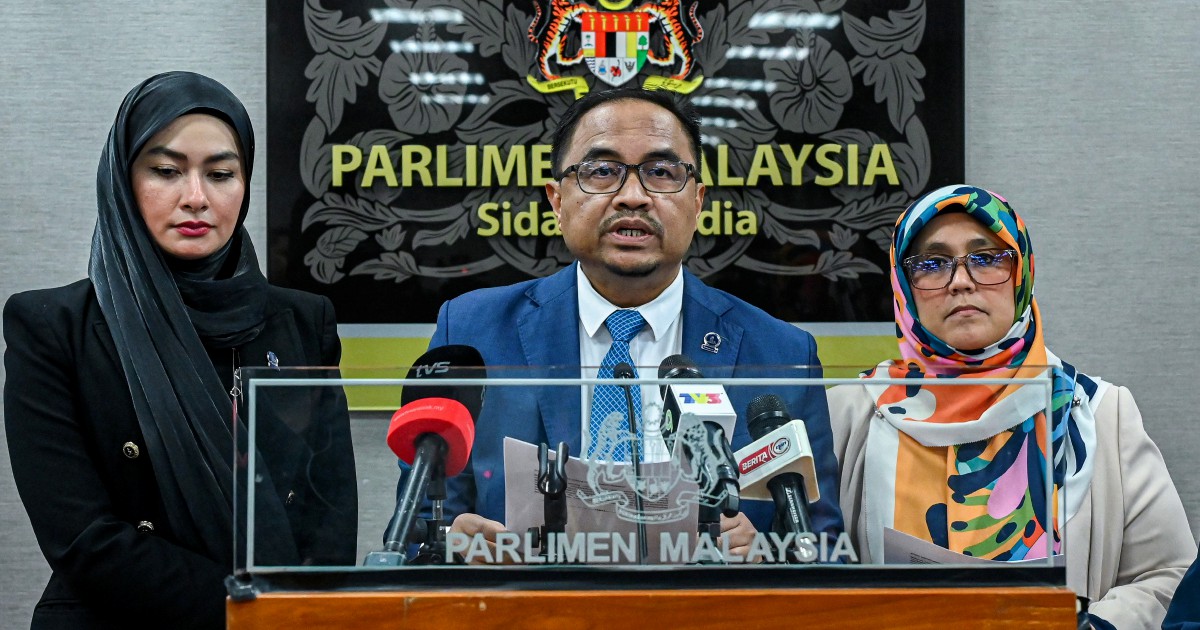
Momentum for electoral reform gained traction in parliament as lawmakers from across the political spectrum united around a shared concern: the need to level the electoral playing field before Malaysia conducts its 16th general election. The initiative reflects growing recognition among legislators that existing safeguards may be inadequate to prevent potential misuse of state resources, a persistent problem in Malaysian electoral cycles that critics argue can unfairly advantage the governing coalition.
The cross-party parliamentary group has articulated several priority reforms that would fundamentally reshape how campaigns operate under Malaysian law. Central to their proposal is a comprehensive prohibition on the deployment of government machinery—encompassing civil servants, public facilities, and state resources—for partisan campaigning purposes. This measure addresses a longstanding grievance that sitting administrations have historically leveraged the bureaucratic apparatus to amplify their electoral messaging, effectively converting government operations into campaign infrastructure.
Under current arrangements, the demarcation between legitimate government communication and electioneering remains ambiguous, creating opportunities for misinterpretation or deliberate circumvention. The proposed ban would establish clearer legal boundaries, making it unlawful for officials to use their positions or government channels to promote any political party or candidate. Such a framework would theoretically apply equally to all parties, ensuring that electoral advantage derives from political popularity and organisational capacity rather than administrative incumbency.
Equally significant in the parliamentary group's reform agenda is the expansion of the Election Commission's enforcement capabilities. Presently, the EC operates within constraints that some observers believe limit its ability to investigate violations comprehensively, pursue offenders rigorously, or impose meaningful sanctions. The legislators are advocating for enhanced investigatory powers, authority to levy steeper penalties for infractions, and broader jurisdiction to monitor campaign conduct across digital and traditional platforms.
Strengthening the EC's operational capacity addresses a critical implementation gap that has plagued previous electoral cycles. Without sufficient teeth, electoral regulations function more as guidelines than binding constraints. By equipping the commission with expanded authority, policymakers hope to create a genuine deterrent against abuse, signalling that violations will trigger swift, serious consequences rather than token fines or delayed administrative processes.
The initiative emerges against a backdrop of regional concern regarding electoral integrity. Neighbouring democracies face comparable challenges with government resource misuse during campaigns, and Malaysia's reform movement reflects broader Southeast Asian discussions about maintaining democratic standards under pressure from incumbency advantages. The multiparty nature of this parliamentary push suggests that the concern transcends partisan calculation; lawmakers from opposition parties would logically support measures constraining government power, while ruling coalition members endorsing such reforms demonstrate awareness that institutional safeguards ultimately benefit all stakeholders by preserving democratic legitimacy.
Malaysian voters have grown increasingly attuned to perceived campaign imbalances, with election observation reports regularly documenting asymmetries in resource allocation and media access. Youth voters particularly express scepticism about electoral fairness, viewing government machinery deployment as emblematic of structural disadvantages facing opposition parties. Electoral reform that demonstrably addresses these concerns could meaningfully enhance public confidence in the democratic process.
The timing of this push—positioned well before GE16—provides a practical window for legislative action. Parliament could theoretically enact necessary amendments during regular sessions, allowing sufficient implementation time before campaigning commences. However, the mechanics of political consensus-building in the Malaysian parliament remain complex, with procedural hurdles and coalition calculations potentially impeding expedited passage of measures that some government-aligned MPs might perceive as constraining executive prerogative.
Implementing an effective government-machinery ban requires not merely legislative amendments but robust monitoring infrastructure. The EC would need capacity to investigate complaints, distinguish between permissible government communication and prohibited electioneering, and maintain records documenting resource deployment. Building these capabilities demands budgetary commitment and technical expertise, raising questions about whether accompanying resources will match the expanded mandates legislators are proposing.
The cross-party coalition coalescing around electoral reform reflects a pragmatic calculation: functional democracies require systems that all participants view as fundamentally fair, regardless of electoral outcomes. Periodic swings in political fortunes mean that today's governing party becomes tomorrow's opposition; leaders recognising this cyclical reality have incentive to design systems that protect their future interests. This enlightened self-interest, combined with genuine democratic commitments, creates a rare alignment enabling meaningful institutional reform.
For Malaysia's business community and international observers, credible electoral safeguards carry economic and reputational implications. Investors evaluate governance quality and democratic stability when assessing emerging markets; perceived electoral manipulation damages Malaysia's institutional reputation regionally and globally. Conversely, demonstrated commitment to competitive, transparent elections strengthens Malaysia's positioning within the international community and enhances confidence in long-term political stability.
The parliamentary group's advocacy signals that electoral reform remains a live issue within Malaysian politics, rather than a settled question. Whether these proposals crystallise into legislation depends on political dynamics in the coming months. Regardless of that outcome, the cross-party initiative documents growing parliamentarian consensus that existing electoral frameworks require strengthening—an acknowledgment that may influence subsequent policy debates and campaign practices even before formal legal changes materialise.

