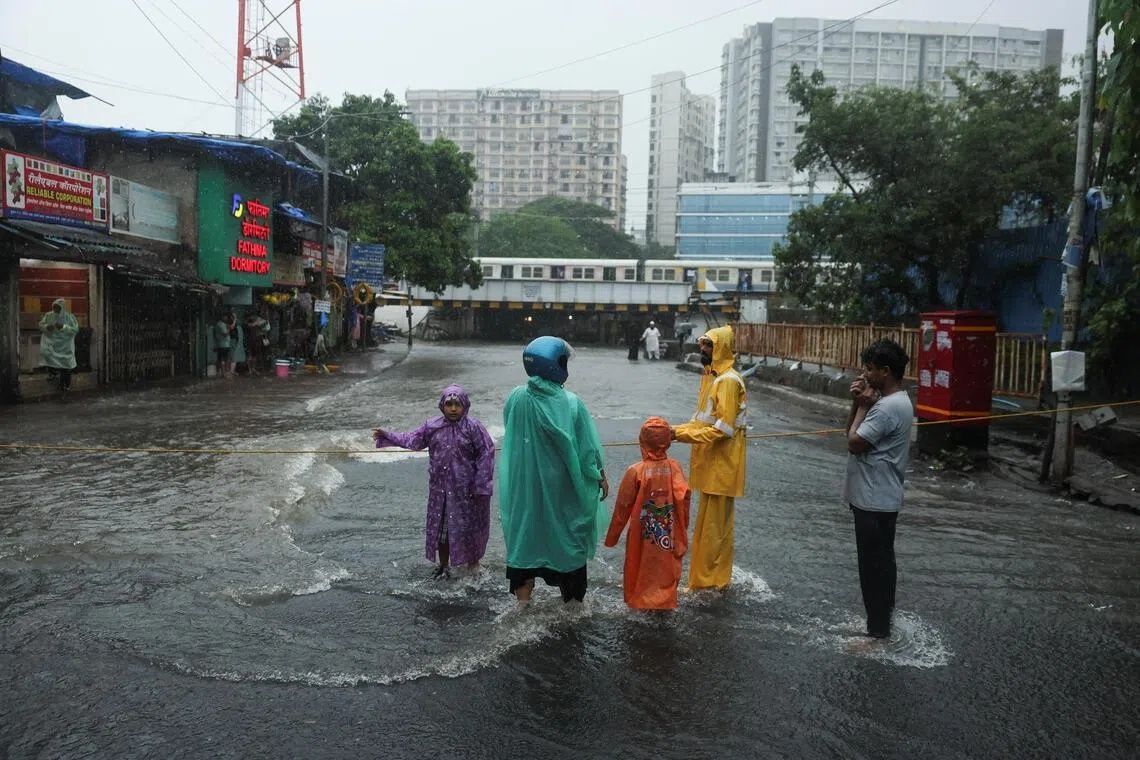
Mumbai's monsoon season has turned deadly, with two separate fatalities highlighting systemic failures in the city's approach to seasonal preparedness and maintenance. The deaths, along with widespread traffic chaos and flooding across multiple neighbourhoods, prompted the India Meteorological Department to issue an orange alert for July 3, signalling dangerous weather conditions ahead. The incidents have reignited debate about the Brihanmumbai Municipal Corporation's capacity to manage urban infrastructure during the punishing six-month rainfall period that regularly tests the financial hub's resilience.
The first tragedy struck on June 30 in Chembur when powerful monsoon winds toppled a large tree directly onto a school bus ferrying students from Universal High School and Tilak Nagar School. The impact trapped young passengers inside the vehicle, prompting emergency teams to deploy specialised cutting equipment to free them. Among the injured was eleven-year-old Vihan Shrivastav, who was rushed to Zen Hospital but ultimately succumbed to his injuries. Other students were evacuated to hospitals with varying degrees of trauma, an incident that devastated families and neighbourhoods throughout eastern Mumbai.
Maharashtra minister Ashish Shelar acknowledged the tragedy as preventable, stating that both the state government and the BMC bear responsibility for supporting the bereaved family. His remarks, while sympathetic, remained relatively measured—a response that frustrated some elected representatives seeking more decisive action. Shelar pledged that officials found accountable would face consequences, though he offered no specifics about which personnel might face disciplinary measures or when investigations might conclude.
Local MLA member Rohit Pawar visited the victim's family and returned with a sharper critique of the response. Pointing out that Vihan was an only child, Pawar argued that accountability must reach beyond junior officials into the ranks of senior management. His statement reflected growing frustration that monsoon-related deaths are treated as inevitable rather than preventable consequences of negligence. Pawar specifically questioned the rigour of pre-monsoon inspections mandated each year, suggesting that repeated similar incidents indicate systemic failure rather than isolated oversight. His intervention suggests that opposition politicians are preparing to weaponise infrastructure failures heading into future election cycles.
Just two days later, a second fatality underscored the dangers lurking in everyday urban infrastructure. On July 2, sixty-year-old Aslam Isak Shaikh fell into an open manhole in Sakinaka while heavy rain battered the area. The drainage cover had been removed for maintenance work, yet the site lacked adequate barricading or warning measures. Shaikh, distracted by a mobile phone conversation, was swept away by powerful rainwater rushing through the open aperture. A three-hour search operation recovered his body, leaving another family devastated and another neighbourhood questioning civic competence.
The manhole incident provoked sharper political responses than the tree tragedy. MLA member Vijay Wadettiwar called for criminal charges against officials responsible, arguing that basic safety protocols—keeping the manhole covered or properly barricaded during rainfall—represent elementary precautions. His demand for a formal first information report signals intent to escalate the matter beyond administrative inquiry into the criminal justice system. Such escalation, while politically motivated, reflects genuine public anger over preventable deaths caused by work-site negligence.
MLA Speaker Rahul Narwekar characterised the manhole incident as "very unfortunate," language that understates the gravity of a preventable death. His statement that the House had discussed the matter and sought a detailed report suggests parliamentary processes may eventually scrutinise the incident, though the slow pace of such inquiries rarely satisfies grieving families. Mumbai Mayor Ritu Tawde attempted to move past the controversy by announcing compensation of 10 lakh rupees (approximately US$10,455) for Shaikh's family, a sum that attempts financial remediation but cannot undo the loss.
Beyond individual tragedies, the monsoon spell has crippled Mumbai's transport and commerce networks. Submerged roads throughout the city have created massive traffic bottlenecks, with waterlogging affecting neighbourhoods including Dadra East and Sion Gandhi Market. A truck overturned near the Kharghar Toll Plaza on the major Sion-Panvel Highway, blocking multiple lanes and creating cascading congestion during morning rush hours. Emergency response teams worked to clear debris and restore traffic flow, yet such incidents have become almost ritualistic features of Mumbai's monsoon season.
These incidents expose the uncomfortable reality that India's financial capital remains inadequately prepared for monsoon conditions despite decades of experience. Pre-monsoon inspections of roads, drains, and civic infrastructure have become pro-forma exercises yielding little tangible improvement in seasonal readiness. Tree management remains haphazard, with overgrown vegetation creating hazards during high winds. Drainage infrastructure dating back decades struggles under contemporary rainfall patterns intensified by climate change. The gap between official assurances of preparedness and actual ground-level conditions has widened into a chasm.
For Malaysia and other Southeast Asian cities, Mumbai's struggles offer cautionary lessons. While the region experiences monsoons of comparable intensity, and several Malaysian urban centres grapple with similar infrastructure constraints, the scale of Mumbai's crisis—affecting a city of over twenty million people—illustrates how quickly seasonal weather can overwhelm even large metropolitan administrations. Malaysian civic authorities managing Kuala Lumpur, Penang, and other flood-prone zones can observe how bureaucratic accountability mechanisms often fail to prevent recurring disasters when structural problems remain unaddressed.
The political responses from Mumbai's elected representatives suggest that public anger over preventable deaths may finally force systematic change in pre-monsoon preparation protocols. However, history indicates that without investment in modern drainage systems, comprehensive tree management programmes, and rigorous site safety standards, similar tragedies will recur. Citizens killed by falling trees or open drains represent not unavoidable acts of nature but consequences of administrative complacency, a distinction that opposition politicians are increasingly willing to exploit for electoral advantage.
As the India Meteorological Department forecast continued heavy rainfall over the subsequent 24 hours, Mumbai residents were urged to avoid non-essential travel while civic teams worked to clear waterlogged roads and remove fallen vegetation. The city's monsoon season typically lasts until September, meaning weeks of weather remain before normalcy returns. Whether these deaths catalyse genuine infrastructure reform or fade into the annual casualty toll of urban India's seasonal crisis remains uncertain, but the political heat surrounding these incidents suggests that accountability demands may prove more difficult for officials to dismiss this time.

