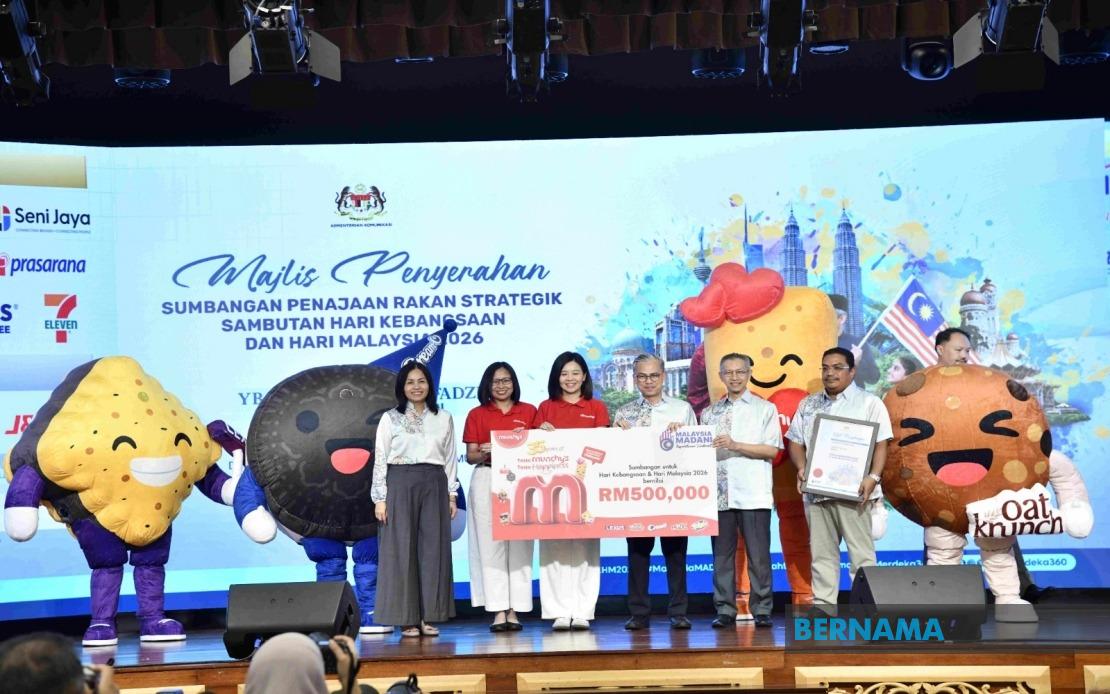
Munchy's Malaysia is stepping up its commitment to national celebrations by committing RM500,000 worth of products for the 2026 National Day and Malaysia Day (HKHM) festivities. The contribution, which marks the company's biggest pledge to date, reflects the snack manufacturer's deepening involvement with the annual commemorative events that hold particular resonance across the country. As the company simultaneously marks its 35th anniversary in the Malaysian market, the donation underscores a strategic decision to align corporate milestones with moments of national significance.
The gift represents continuity in Munchy's engagement with HKHM celebrations, as this marks the third consecutive year the company has made material contributions to the nationwide observances. This pattern of sustained support demonstrates a deliberate corporate approach toward embedding the brand within Malaysia's patriotic calendar, moving beyond one-off sponsorships toward a structured commitment to national identity building. For a consumer goods company, such consistency sends a clear message about prioritising participation in events that unite Malaysians across diverse backgrounds.
Rodney Wong, chief executive officer of Munchy's Malaysia, articulated the philosophy behind the escalating donation by framing it as an extension of corporate gratitude. He emphasised that the HKHM celebrations provided a meaningful platform for the company to acknowledge the market and consumer base that has supported its three-decade presence in Malaysia. The language Wong employed stressed reciprocity—the idea that as a business benefiting from Malaysian society, the company has corresponding obligations to contribute meaningfully during moments that define national cohesion and identity. This framing moves the donation beyond charitable gesture toward one of mutual responsibility.
The formal presentation of the contribution took place at the Menara Komunikasi in Putrajaya, where Communications Minister Datuk Seri Fahmi Fadzil received the donation on behalf of the government. The venue selection—Malaysia's administrative capital and the office of the ministry overseeing national communications—underscores the official importance accorded to the gesture. Such ceremonial transfers carry symbolic weight in Malaysian political culture, effectively endorsing and amplifying the corporate contribution through government acknowledgment and media coverage.
The substantial size of the RM500,000 commitment invites consideration of what such donations mean within Malaysia's consumer product landscape. For a mid-sized regional snack manufacturer, this represents a significant expenditure that speaks to either strong financial performance or strategic prioritisation of brand visibility and goodwill accumulation. The escalation in donation value across the three-year period suggests confidence in the return on such investments, whether measured in enhanced brand reputation, consumer loyalty, or political goodwill. Competitors operating in the same space will likely take note of this benchmark.
Distribution of the donated products will occur through various programmes and activities organised under the HKHM 2026 umbrella, ensuring wide exposure and reach across Malaysian communities. This logistical approach maximises the visibility of both the contribution and the corporate donor, as the snack products will serve as tangible reminders of Munchy's participation in the festivities. For grassroots organisers and community leaders coordinating local celebrations, such in-kind contributions prove invaluable, reducing budgetary pressures while ensuring participants have access to refreshments and giveaways that enhance the celebratory experience.
The timing of the announcement, nearly two years ahead of the 2026 celebrations, reflects forward planning by both the corporate donor and government stakeholders. This advance notice allows adequate time for logistics coordination, inventory management, and integration of the products into broader HKHM programming. It also signals to other corporations and businesses that the government is actively soliciting support for the upcoming commemorations, potentially encouraging similar pledges from competitors or complementary industries seeking to associate with patriotic messaging.
Within the broader context of corporate social responsibility in Malaysia, Munchy's contribution aligns with established patterns whereby consumer goods companies leverage national occasions to strengthen market positioning. However, the emphasis on patriotic spirit and national unity in the company's statements suggests an understanding that purely commercial framing resonates less effectively than messaging centred on shared Malaysian identity. This approach reflects maturation in how corporations calibrate their public engagement with major national events, moving beyond surface-level sponsorship toward narratives of collective purpose.
For communications professionals and government agencies planning HKHM 2026, securing such material commitments from established corporate entities provides both practical and symbolic benefits. The donated products will facilitate smoother execution of planned festivities nationwide, while corporate pledges generate positive news cycles and demonstrate private-sector buy-in to public celebrations. This public-private collaboration model has become increasingly central to how Malaysia organises major commemorative events, distributing costs across multiple stakeholders rather than relying solely on government budgets.
The contribution also carries implications for how Malaysian consumers perceive brand citizenship and corporate commitment. In an era where purchasing decisions increasingly reflect consumer values regarding corporate social responsibility, Munchy's transparent participation in nationally significant celebrations may influence purchasing preferences among patriotic-minded consumers. The donation thus functions on multiple registers simultaneously—as practical support for festivities, as symbolic alignment with national sentiment, and as brand building within an increasingly values-conscious marketplace.

