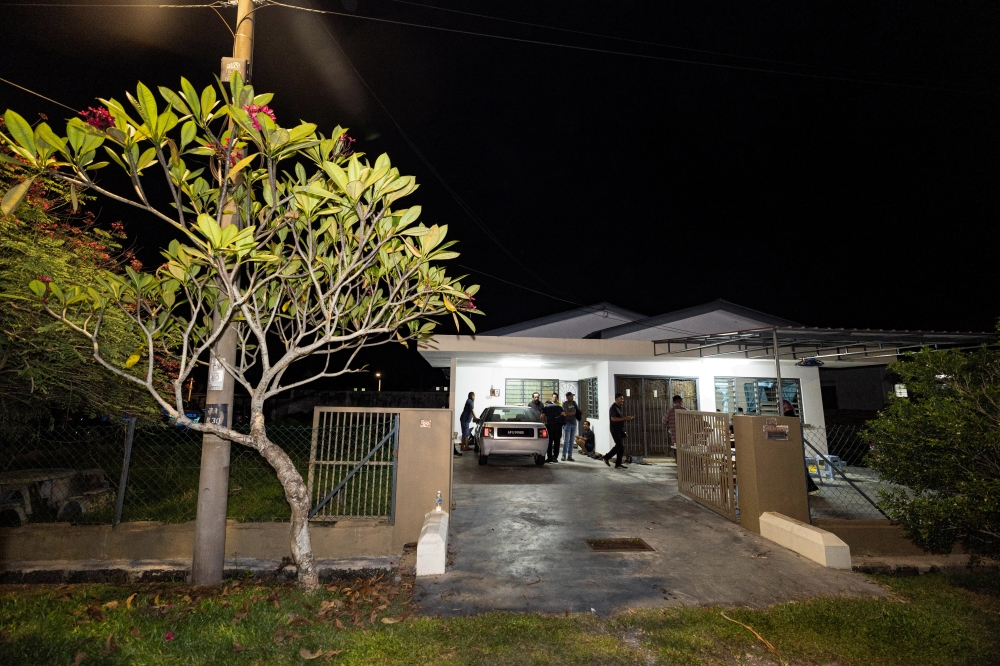
Police in Ipoh have initiated a murder investigation after discovering a 54-year-old man dead at a nursing home in Tanjung Rambutan, marking a serious development that raises fresh questions about safety standards in long-term care facilities across Malaysia. The discovery of the deceased resident has prompted authorities to examine the precise circumstances surrounding his death, with initial findings suggesting the involvement of foul play rather than natural causes.
The incident highlights persistent vulnerabilities within Malaysia's care home sector, where residents—often elderly or infirm and dependent on facility staff—remain among society's most vulnerable populations. Tanjung Rambutan, located in Perak's capital city, has now become the focal point of police scrutiny as investigators work to establish a clear timeline of events leading up to the discovery. The decision to classify the matter as a potential murder rather than a routine death inquiry underscores the gravity of preliminary evidence gathered at the scene.
Long-term care facilities in Malaysia have faced intermittent scrutiny over the years, with concerns spanning from hygiene standards to staffing ratios and the adequacy of medical oversight. This latest incident in Ipoh will likely reignite broader discussions about regulatory enforcement and whether current licensing frameworks sufficiently protect vulnerable residents. The nursing home sector has expanded rapidly across the country as Malaysia's population ages, yet oversight mechanisms have not always kept pace with this growth.
Family members of the deceased will be among those seeking immediate answers from both the facility management and police investigators. Questions inevitably arise about whether warning signs were missed, whether protocols were properly followed, and what level of accountability will apply should negligence or wrongdoing be established. The psychological impact on other residents and their families, as well as on care home staff, cannot be underestimated during such investigations.
Police procedures in homicide cases typically involve securing the scene, conducting forensic examinations, interviewing witnesses and staff members, and pursuing leads that emerge from initial questioning. The investigation's direction will depend significantly on preliminary post-mortem findings and any physical evidence collected from the facility. Authorities will likely focus on establishing the victim's health status, recent interactions, and any conflicts or incidents involving other residents or staff members.
The Perak police force has not yet released comprehensive details regarding the suspected cause of death or whether specific individuals have been identified as persons of interest. Media access to information often remains restricted during active murder investigations to preserve investigative integrity and avoid compromising potential prosecutions. This necessarily limits public understanding in the immediate aftermath, though further details typically emerge as the inquiry progresses.
Care facility operators across Malaysia will be watching developments carefully, understanding that standards and safety measures may face renewed public and regulatory scrutiny. If investigative findings suggest systemic failings or inadequate supervision at this particular facility, authorities may pursue not only criminal charges related to the death but also civil or administrative penalties against the home itself. Industry bodies representing care facilities will likely face pressure to demonstrate that their members maintain robust safety protocols and staff training programmes.
For policymakers and health authorities, this incident serves as a reminder of the urgent need to strengthen oversight of the care home sector. Malaysia's ageing demographics mean the demand for residential care continues rising, yet quality assurance frameworks must evolve in tandem. Licensing requirements, surprise inspections, complaint mechanisms, and staff certification standards all merit periodic review to ensure they reflect contemporary best practices and adequately protect vulnerable residents.
The investigation will ultimately determine whether this death resulted from criminal conduct, negligence, or other circumstances. Regardless, it underscores a broader imperative for Malaysia's health system and social care sector to prioritise the safety and dignity of residents in long-term facilities. Families entrusting loved ones to such institutions must have confidence that adequate supervision, trained personnel, and robust protocols are in place. Until the police investigation concludes and evidence is fully examined, the Tanjung Rambutan facility and its staff remain at the centre of official scrutiny, with significant implications extending far beyond this single tragic incident.

