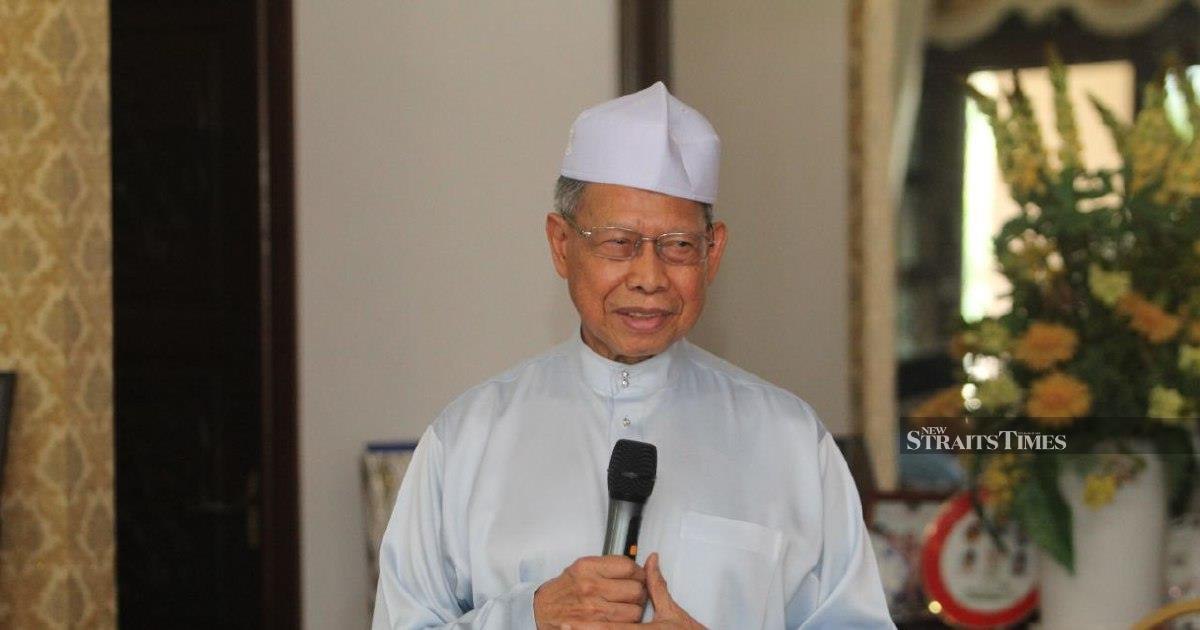
Datuk Seri Mustapa Mohamed, the former member of parliament for Jeli who recently made a high-profile return to Umno, has definitively ruled out seeking elective office when Malaysia holds its next general election. The veteran politician, who spent decades representing his Kelantan constituency before stepping back from frontline politics, indicated during remarks at an event in Pasir Mas that his focus has shifted away from electoral contests.
Mustapa's decision comes as no surprise to political observers who have tracked his gradual transition away from active campaigning in recent years. The septuagenarian politician's withdrawal reflects a broader pattern among Malaysia's older generation of leaders who have chosen to mentor successors rather than continue pursuing elected positions. His explicit public statement nonetheless carries symbolic weight within Umno circles, where questions about his post-return responsibilities have circulated since his recent decision to rejoin the party he had previously left.
The former Jeli lawmaker's reentry into Umno last year generated considerable discussion within Malaysian political circles. Observers interpreted the move as potentially positioning him for an advisory or strategic role within the party establishment, rather than signalling an ambition to return to active parliamentary representation. Mustapa's wealth of experience spanning multiple decades in parliament and government made him a valuable asset to Umno's leadership structure, particularly given the party's ongoing efforts to strengthen its organisational capabilities and policy development processes.
Mustapa's explicit acknowledgment that his physical condition precludes sustained electoral engagement underscores a reality facing Malaysian politics as veteran figures gradually cede space to emerging leaders. His candid remarks about mobility challenges reflect the natural progression that comes with advancing age, yet also demonstrate his pragmatic assessment of what effective parliamentary representation demands. The rigours of campaigning, constituency work, and legislative duties require stamina and physical presence that senior politicians increasingly recognise becomes unrealistic to sustain.
This development carries implications for Kelantan's political landscape, where the Jeli seat remains a valuable asset for whichever party controls it heading into Malaysia's next electoral cycle. Mustapa's non-participation opens space for younger Umno figures to establish themselves in constituencies that have historically been strongholds for the party. The competitive dynamics of Kelantan politics, where Pas maintains significant influence, suggest that Umno's selection of fresh candidates will be strategically crucial to the party's fortunes in the state.
Within the broader context of Malaysian politics, Mustapa's decision illustrates how senior leaders are increasingly transitioning from electoral frontline duty toward mentorship and advisory functions. This generational shift, while inevitable, nonetheless reflects genuine questions about succession planning and institutional memory within major political parties. His return to Umno suggested the party valued his accumulated knowledge and connections, even as his own electoral ambitions had clearly waned.
The timing of Mustapa's public clarification serves a practical purpose as well, removing any lingering ambiguity about his future intentions and allowing party strategists to plan with certainty. Such definitive statements from senior figures help manage party expectations and prevent speculation that could complicate internal dynamics or confuse public messaging. Umno's need for clarity on its senior personnel's intentions becomes more acute as the party navigates both organisational reconstruction and electoral preparation.
Mustapa's trajectory from active parliamentarian to senior party counsellor reflects patterns observable across Southeast Asia's mature democracies, where demographic change and evolving expectations about leadership tenure reshape political systems. His recognition that electoral competition requires physical and temporal commitments beyond what he can realistically offer demonstrates honesty about personal limitations. Such candour, while unremarkable in substance, remains comparatively unusual in Malaysian political discourse, where figures often remain ambiguous about their future intentions.
Looking ahead, Mustapa's positioning within Umno will likely emphasise institutional roles rather than electoral visibility. His experience in economic policy, having previously held ministerial portfolios, makes him a potentially valuable resource for the party's policy development efforts. The next general election will proceed without his direct candidacy, though his advisory influence may well shape important aspects of party strategy and candidate selection in his home state of Kelantan and potentially elsewhere.

