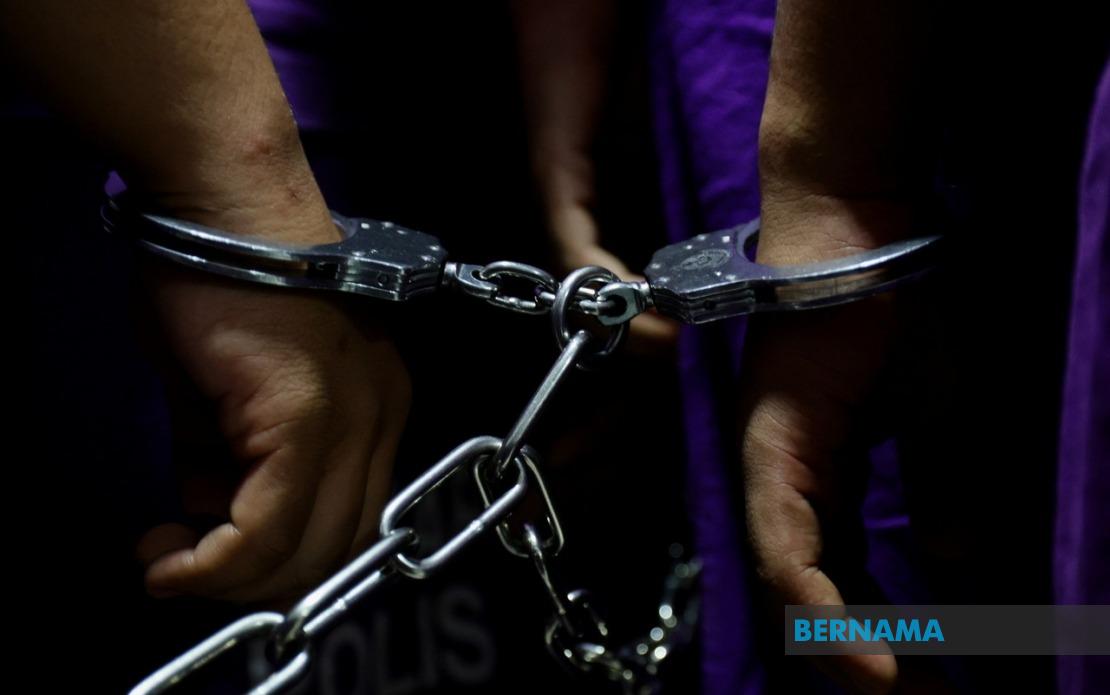
Myanmar's law enforcement authorities have dismantled an organised robbery network operating across the Mandalay region, resulting in the arrest of 13 suspects—10 men and three women—in connection with at least two significant gold shop heists that targeted commercial premises in central Myanmar over the past year.
The first robbery occurred on July 20 at the Millionaire Gold Shop located in Chanmyathazi Township, where six men orchestrated the theft. Investigators subsequently identified and detained five additional accomplices allegedly involved in planning and executing the heist. The coordinated arrests followed a systematic investigation that traced the stolen goods and identified members of the criminal network who had evaded initial detection.
The scale of the operation became apparent during the police recovery phase, when investigators documented seized assets totalling more than 42 ticals of gold jewellery—equivalent to approximately 0.7 kilogrammes—along with substantial quantities of cash. Beyond precious metals, authorities recovered a pistol, two ammunition magazines containing 27 bullets, four motorcycles used as getaway vehicles, a slingshot, and 31 bolts, suggesting the gang maintained an arsenal and utilised multiple modes of transportation to facilitate their crimes.
The investigation subsequently uncovered a disturbing pattern of recidivism within the criminal enterprise. Three individuals arrested for the Millionaire Gold Shop robbery were found to have prior involvement in an earlier crime: the robbery of the Paw Oo Gold Shop in Mahaaungmyay Township, which had occurred as far back as October 30, 2023. This revelation indicated that core members of the network had been engaged in repeat offences spanning several months, suggesting sophisticated criminal planning rather than opportunistic theft.
Following this discovery, investigators expanded their net to capture two additional suspects who had collaborated with the three repeat offenders in the October 2023 Paw Oo Gold Shop robbery. The interconnected nature of these arrests demonstrates that Myanmar's police have systematically dismantled what appears to be a tight-knit criminal organisation with established routines for targeting jewellery merchants in urban centres.
The weapons cache recovered during the arrests raises serious concerns about the militarisation of Myanmar's criminal underworld. The presence of firearms, ammunition, and improvised weapons suggests that the robbery network operated with capacity for violence, potentially escalating the danger faced by shop owners and law enforcement personnel. Such armaments indicate either access to military channels or acquisition through criminal supply networks that merit broader investigation.
The motorcycles seized during the operation point to a methodical approach to crime commission. Gold shops in Myanmar's urban areas face particular vulnerability to organised robbery, and the perpetrators' use of multiple motorcycles suggests a coordinated escape protocol designed to overwhelm law enforcement response capabilities. The recovery of four vehicles indicates the gang maintained dedicated resources for criminal operations rather than relying on ad hoc arrangements.
For Southeast Asian observers, the Mandalay robberies exemplify how transnational crime and organised theft networks operate across the region. Myanmar's gold trade remains significant economically, and targeting jewellery merchants represents a logical choice for criminal enterprises seeking high-value targets with relatively quick conversion potential. The regional implications extend to cross-border smuggling networks that may facilitate movement of stolen gold across Myanmar's porous frontier areas into Thailand, Laos, and China.
The legal framework deployed against the suspects follows Myanmar's criminal procedure statutes, with authorities initiating formal charges and detention proceedings. However, investigators have indicated that additional suspects remain at large, suggesting the complete dimensions of the criminal network extend beyond the 13 individuals currently in custody. The ongoing manhunt suggests investigative momentum that may yield further arrests as police trace additional supply chains and operational nodes.
For Malaysian readers and regional security observers, the Myanmar case illustrates broader patterns affecting the Association of Southeast Asian Nations. Gold theft and jewellery store robberies represent a persistent challenge across ASEAN capitals, reflecting high commodity values, concentrated stocks, and relative accessibility compared to larger financial institutions. Myanmar's experiences parallel robbery waves in Thailand, Indonesia, and Malaysia, where organised networks target precious metal merchants using similar methodologies of intimidation, firearms, and quick escape protocols.
The recovery of gold jewellery and cash during the arrests represents a triumph for asset recovery efforts, though the actual value of stolen goods from both robberies remains unclear from official statements. The distinction between recovered items and total theft volumes may indicate that portions of the stolen gold successfully entered black market channels before police interventions, raising questions about downstream receivers and organised crime networks specialising in precious metal laundering.
Myanmar's law enforcement authorities face mounting pressures from organised crime operating in the post-2021 transitional environment. The emergence of coordinated robbery networks capable of executing multiple operations across the Mandalay region suggests that despite political instability, criminal organisations maintain operational capacity and resource allocation sufficient for sophisticated planning. The arrests represent a significant police achievement, though they must be contextualised within the broader security challenges confronting Myanmar's justice system.

