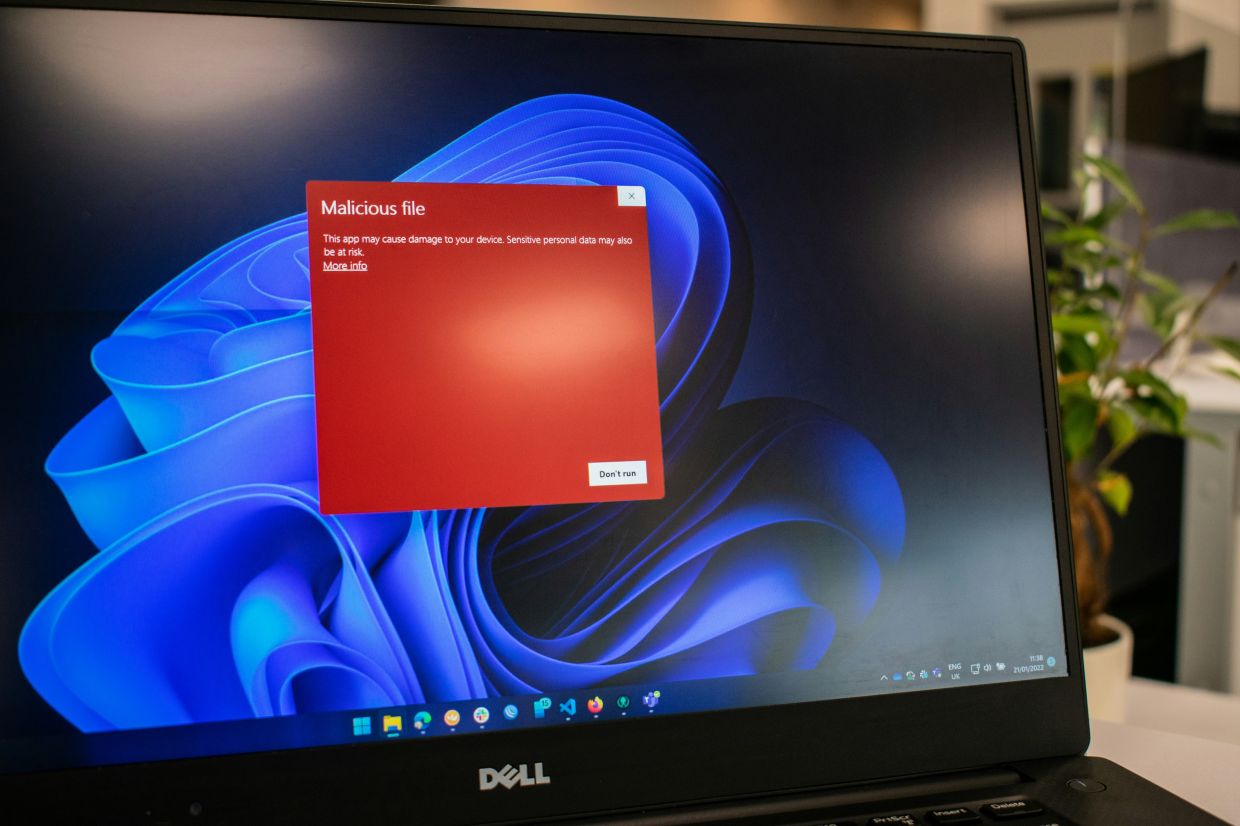
Malaysia's Computer Emergency Response Team, better known as MyCert, has raised the alarm over a sophisticated malware campaign actively spreading through WhatsApp Web and Desktop platforms. The attack relies on social engineering tactics to manipulate users into downloading and executing malicious files, primarily targeting Windows-based systems. This emerging threat underscores the evolving security risks facing ordinary internet users who may inadvertently compromise their entire digital ecosystem by clicking on what appears to be routine business correspondence.
Attackers operating this campaign employ a deceptive strategy by sending unsuspecting victims messages containing file attachments that mimic common financial and legal documents. The filenames are deliberately crafted to appear innocuous and business-like, including variations such as "Acknowledgment of Debt.vbs", "Sila semak bil anda.vbs", "December statement of account.vbs", and "Reconciliation.vbs". By using language that suggests billing inquiries or debt acknowledgments, these social engineers exploit the natural tendency of recipients to open documents that appear relevant to their personal or professional circumstances.
The critical deception lies in the file format itself. Despite their names and presentation suggesting PDF or document formats, these files are in fact Visual Basic Script executables with the .vbs extension. When a user opens or executes one of these files, it immediately triggers an automated script—essentially a set of programmed instructions—that silently initiates the malware infection process without requiring any additional user interaction or confirmation.
Once activated, the malicious script begins deploying harmful software components onto the victim's machine, most notably a Remote Access Trojan, commonly abbreviated as RAT. This particularly dangerous form of malware grants attackers the ability to remotely infiltrate and manipulate the compromised device as though they were physically present at the keyboard. Critically, this remote access persists even after the victim restarts their computer, meaning attackers maintain a persistent foothold on the system until the malware is properly removed.
The RAT's capabilities extend to systematic suppression of security notifications and antivirus warnings, allowing the malware to operate covertly without triggering the protective mechanisms that users have installed. This stealth enables attackers to conduct undetected surveillance and data harvesting from the affected device. The malware quietly captures everything displayed on screen or typed by the user, creating a comprehensive record of sensitive information including login passwords, banking personal identification numbers, and one-time passwords that users receive for account verification.
For Malaysian users and businesses, the implications are particularly severe. The targeting of financial and debt-related documents suggests attackers may be familiar with local commercial practices and payment systems. Those who frequently conduct banking transactions, pay bills online, or handle financial communications through their computers face elevated risk. The ability to capture banking credentials and one-time passwords means attackers can potentially drain accounts before victims even realize their systems have been compromised.
MyCert has provided detailed guidance for users encountering suspicious files. The fundamental recommendation is straightforward: users should never open, execute, or forward any files received through messaging apps that appear unusual or unexpected, even if the sender's identity seems legitimate. Reply messages should be avoided entirely, as responding to the sender merely confirms that the phone number is active and monitored, potentially adding the victim to targeted mailing lists for future attacks. Instead, users should report the message directly through WhatsApp's built-in reporting mechanism and simultaneously notify MyCert through the dedicated Cyber999 email address at [email protected], including screenshots of the message, precise timestamps, and the sender's phone number.
For those who have already inadvertently opened or executed one of these malicious files, MyCert classifies the device as compromised and recommends treating it as such until professionally remediated. The immediate priority should be severing the device's internet connection to prevent attackers from maintaining or extending their remote access. Users should then access their important accounts from a separate, uninfected device and change all passwords, personal identification numbers, and security credentials associated with accounts that were accessed on the compromised machine. Any sensitive information entered on the infected device should be presumed exposed and potentially known to attackers.
Users operating corporate devices carry an additional responsibility. Those using company-provided computers should notify their organization's information technology department immediately upon suspecting infection. Corporate networks and data repositories face heightened exposure when individual devices become compromised, potentially creating pathways for attackers to access broader business systems and confidential information. Professional IT teams can implement containment measures and initiate comprehensive investigation to assess whether the breach has extended beyond the individual device.
Removal of the installed RAT presents particular challenges. Standard antivirus scanning and removal tools frequently prove insufficient because the malware is specifically designed to evade conventional detection mechanisms. MyCert strongly advises seeking specialized cybersecurity assistance rather than attempting self-remediation. Professional malware removal specialists possess advanced tools and expertise necessary to identify and completely eradicate the deeply embedded trojan, ensuring that hidden components and persistence mechanisms are thoroughly eliminated.
This campaign illustrates the persistent vulnerability of users to social engineering attacks, regardless of technical sophistication. The success of such schemes relies not on breaking encryption or exploiting obscure software flaws, but rather on manipulating human psychology and trust. As more Malaysians conduct financial transactions and communications online, understanding these threats and maintaining vigilance remains essential for protecting personal financial security and digital privacy.

