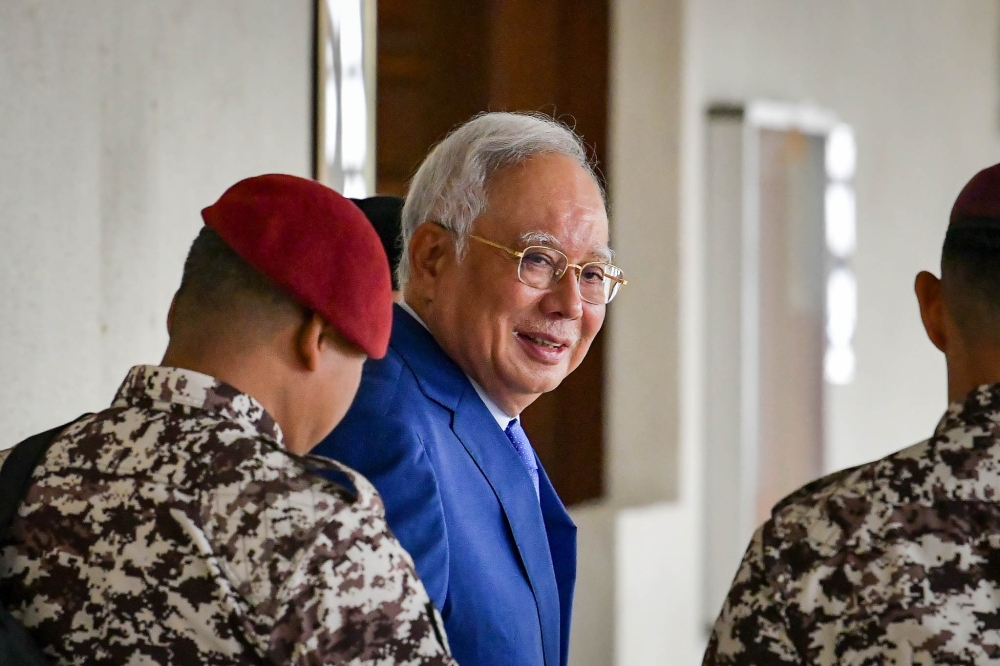
The High Court in Kuala Lumpur has begun hearing evidence in what prosecutors characterize as one of the largest financial frauds involving state assets in Malaysian history. The proceedings centre on allegations that 1MDB and its four subsidiary entities were manipulated to siphon approximately US$5.64 billion in public funds, with the court examining the nature and extent of the claimed misappropriation.
The case represents a pivotal moment in Malaysia's post-2018 reckoning with high-level financial crimes. Following the change of government that year, authorities launched investigations into how the 1Malaysia Development Berhad fund—established with the stated purpose of advancing economic development—became a vehicle for what investigators allege was systematic theft and money laundering. The fund's collapse exposed regulatory failures and raised fundamental questions about governance oversight during the previous administration.
At the heart of the proceedings lies the assertion that beneficiaries of the alleged fraud deliberately breached their fiduciary duties to the Malaysian people and the institutions entrusted to them. The prosecution's narrative frames the matter not merely as financial mismanagement but as a calculated betrayal of public trust, with funds intended for national development instead being diverted through complex international transactions. The structure of 1MDB's subsidiary companies, prosecutors suggest, facilitated the obscuring of money flows across multiple jurisdictions.
The case carries implications extending far beyond the individual defendants. It tests Malaysia's capacity to hold senior political figures accountable for financial crimes and demonstrates whether the judiciary can navigate politically sensitive proceedings whilst maintaining public confidence in the legal system. The proceedings have drawn international attention, particularly from financial regulators and law enforcement agencies in other nations that traced flows of the allegedly misappropriated funds through their banking systems.
Understanding the technical architecture of 1MDB's operations proves essential to grasping how such a substantial sum could allegedly disappear. The fund operated through multiple corporate entities and cross-border financial arrangements, creating layers of complexity that investigators had to painstakingly unravel. Banking records from multiple countries documented the movement of funds through shell companies, real estate purchases, and investments in ways that obscured their origin and ultimate destination.
The financial impact on Malaysia has been substantial. Recovering misappropriated funds has proven difficult, as assets were dispersed internationally and commingled with legitimate transactions. The government has pursued civil litigation alongside criminal proceedings, seeking restitution from entities identified as recipients of the diverted funds. These recovery efforts have achieved only partial success, given the sophistication with which funds were allegedly moved and concealed.
For Malaysian readers, the case underscores broader concerns about institutional safeguards against corruption at the highest levels. 1MDB existed under direct political patronage, and its governance structures apparently lacked the independence necessary to prevent or detect misappropriation. The absence of effective oversight mechanisms—despite the fund's substantial size and the quantum of public resources it commanded—revealed systemic vulnerabilities in how Malaysia's state-linked enterprises were monitored.
The High Court proceedings will likely extend over considerable time, as prosecutors present evidence of complex financial transactions spanning years and multiple countries. Defence arguments will presumably contest characterizations of the fund's operations and challenge the prosecution's interpretation of transactions. The court must evaluate documentary evidence, expert testimony on financial matters, and witness accounts to determine whether the alleged scheme constitutes criminal fraud as charged.
Regionally, the case has attracted attention from other Southeast Asian nations grappling with similar governance challenges. Malaysia's handling of high-level corruption cases influences perceptions of the region's commitment to financial accountability and the rule of law. Successful prosecution in cases of this scale signals to investors and international partners that even the most prominent political figures face consequences for financial crimes, though acquittals or inadequate sentences would send contrary messages.
The psychological dimension for Malaysian society cannot be overlooked. Public confidence in state institutions depends partly on observable accountability for major financial crimes. Media coverage of the proceedings reaches Malaysians directly, shaping perceptions of whether the legal system can deliver justice irrespective of a defendant's former political status. The trial's outcome will reverberate through public discourse for years.
As the High Court examines the evidence, several critical questions remain unresolved. Establishing precise chains of responsibility for authorizing transfers and signing off on questionable transactions will prove contentious. The prosecution must demonstrate not merely that funds disappeared but that specific individuals consciously participated in directing those funds away from their intended purposes. Defence strategies will likely emphasise the complexity of 1MDB's operations and challenge whether individual defendants possessed sufficient knowledge or direct involvement in specific transactions.
The coming months will reveal whether Malaysia's judicial system can navigate this politically charged terrain whilst adhering to standards of fairness and legal rigour. The High Court's handling of the case will set precedent for how Malaysian courts address allegations of large-scale financial crimes involving former political leadership, a question relevant to multiple jurisdictions wrestling with post-transition accountability.

