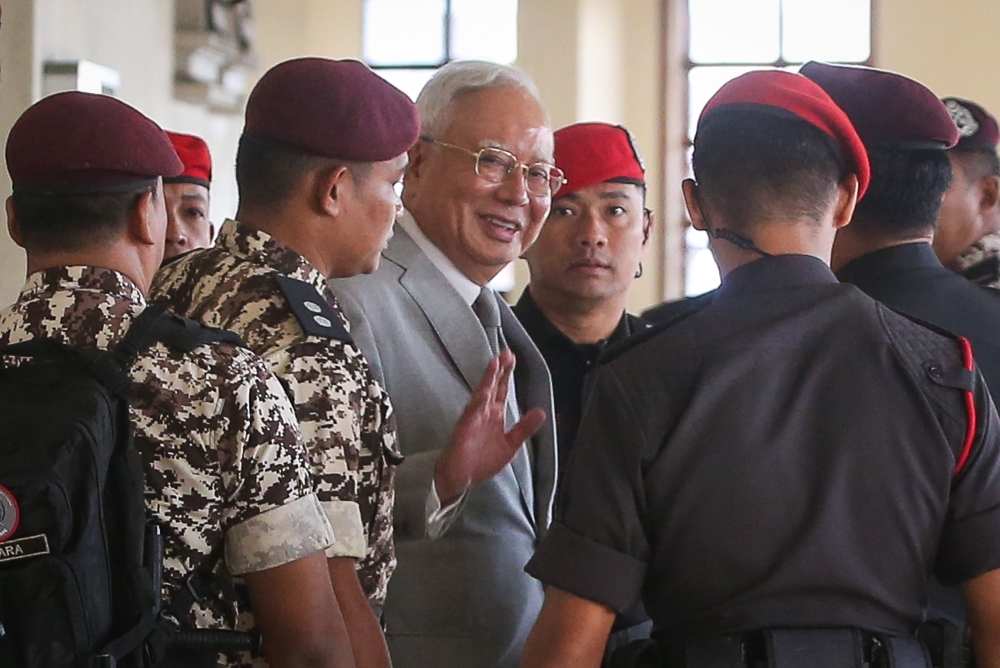
Former Prime Minister Datuk Seri Najib Razak is preparing to undergo a heart procedure, according to confirmation from his legal representatives. The announcement, delivered through his lawyer, provides an update on the health status of Malaysia's longest-serving premier during a period marked by significant personal and legal challenges. The timing of the procedure highlights the ongoing complexities surrounding the nation's most prominent political figure, whose administration concluded in 2018 amid controversy and subsequent legal proceedings.
Najib's medical situation underscores the personal toll that sustained legal battles can exact on individuals, particularly those who previously held the highest offices of state. The former leader has faced multiple court cases and investigations related to governance during his tenure, with proceedings spanning several years and consuming considerable emotional and physical resources. His health concerns now intersect with these ongoing judicial matters, raising questions about how Malaysian institutions manage cases involving former senior leaders who require medical attention.
The legal framework governing such situations in Malaysia remains relatively untested in modern times. While the judiciary operates independently from executive pressure, practical considerations surrounding court appearances, medical leave, and case scheduling present genuine administrative challenges. Legal experts observe that Malaysian courts have historically balanced health considerations with judicial obligations, though precedent for cases involving former prime ministers remains limited in scope.
From a political perspective, Najib's continued legal entanglements persist despite changes in government. The transition from Pakatan Harapan to subsequent administrations has not diminished judicial proceedings against the former leader, demonstrating the established principle of prosecutorial independence. Various charges spanning corruption, abuse of power, and money laundering allegations remain active in different courts, each requiring his participation and presence.
The confirmation of medical procedures also carries broader implications for Malaysian civil discourse. Public figures undergoing health challenges typically receive expressions of concern that transcend political divisions, reflecting fundamental human values. However, the intensity of public reaction to Najib's situation often remains polarized, reflecting the deep political divisions his era created and the ongoing debate about accountability in governance.
International observers continue monitoring Malaysia's handling of such high-profile cases, as they reflect on the nation's commitment to rule of law and institutional independence. The manner in which courts accommodate medical necessities while maintaining judicial efficiency sends signals about institutional maturity and procedural fairness. These considerations become particularly significant when cases involve former leaders whose actions attracted international scrutiny, including from foreign governments and multilateral organizations.
The announcement also reflects evolving attitudes within Malaysia's legal profession regarding transparency. Rather than allowing speculation about absences or delays, proactive disclosure through legal representatives has become standard practice, reducing uncertainty and maintaining public confidence in judicial processes. This approach contrasts with historical patterns where information vacuums often generated conspiracy theories and public mistrust.
For Malaysia's political ecosystem, Najib's ongoing situation serves as a constant reminder of the stakes attached to governance and public trust. Younger politicians and aspiring leaders observe how institutions treat former executives, using these patterns to calibrate their own conduct and risk assessments. The legal consequences flowing from the Najib era have arguably influenced subsequent administrations' approaches to transparency and accountability, though implementation remains inconsistent across different sectors.
The medical procedure also intersects with questions about restorative justice and rehabilitation within Malaysian political culture. While criminal proceedings pursue accountability, broader questions persist about reintegration, redemption, and the possibility of political rehabilitation. These philosophical questions remain largely unresolved in Malaysian public discourse, with different constituencies advocating fundamentally incompatible visions of appropriate closure.
Regionally, Malaysia's handling of such cases attracts attention from other Southeast Asian democracies grappling with similar challenges of holding powerful former leaders accountable. The procedures, transparency, and institutional resilience demonstrated through Malaysia's legal processes provide comparative reference points for neighboring nations navigating their own transitions and accountability mechanisms.
Moving forward, the medical procedure represents an interlude within broader judicial processes that will likely continue for years. The courts will need to manage scheduling around health considerations while maintaining the integrity and momentum of proceedings. This balancing act, though administratively routine, carries symbolic weight given the profile of the parties involved and the national significance of the cases at hand.
The confirmation of Najib's upcoming procedure also reflects practical realities that complicate easy political narratives. Complex human circumstances—including genuine medical needs—coexist alongside legitimate questions about accountability and governance. Malaysian society continues negotiating how to hold these tensions simultaneously, recognizing both individual welfare concerns and systemic demands for institutional integrity.

