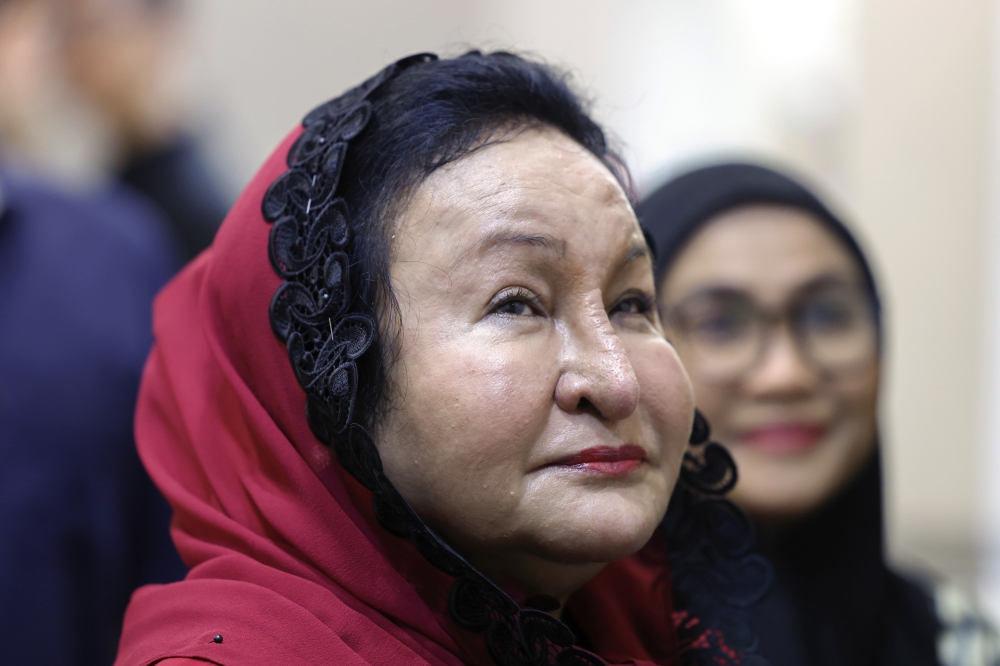
Former Prime Minister Datuk Seri Najib Razak is set to undergo a medical intervention to address plaque buildup in proximity to a blood vessel, his wife Rosmah Mansor disclosed. The procedure represents a routine but necessary cardiovascular health measure for the veteran politician, who has maintained a public presence despite ongoing legal proceedings.
Rosmah's confirmation of the medical appointment underscores the continued interest the Malaysian public maintains in the personal affairs of high-profile political figures, particularly those who have served in the nation's highest office. The disclosure was made straightforwardly, without elaboration on specific medical details or timing beyond the scheduled nature of the intervention.
The former prime minister, who led Malaysia from 2009 to 2018, has been navigating complex legal challenges in recent years while simultaneously managing health considerations typical of his age group. The revelation demonstrates how even prominent political figures must contend with standard medical necessities that affect citizens across all social strata, a reality that occasionally intersects with public curiosity and media attention.
Plaque accumulation near blood vessels represents a common cardiovascular concern requiring professional medical attention. The procedure to address such buildup is generally considered routine in contemporary healthcare settings, though the involvement of a former national leader naturally attracts broader attention than similar interventions affecting private citizens.
Najib's upcoming medical procedure occurs within the broader context of Malaysian politics, where former leaders often remain subjects of public interest regardless of their current official status. His communications through Rosmah continue a pattern of selective disclosure about personal matters, balancing privacy with the inevitable public curiosity surrounding former heads of government.
The timing of such health-related announcements frequently reflects practical considerations rather than calculated political messaging, though the distinction between personal health matters and political perception inevitably blurs for figures of Najib's prominence. The straightforward nature of Rosmah's statement suggests an acceptance of this dynamic rather than an attempt to capitalize on health concerns for political advantage.
Cardiovascular procedures have become increasingly commonplace in Malaysia's aging population, reflecting broader demographic trends across Southeast Asia. The accessibility of such medical interventions in the country's healthcare system—both public and private—demonstrates the advancement of diagnostic and treatment capabilities available to Malaysian patients, regardless of their social position.
For former prime ministers and their families, the availability of specialized medical care represents both a practical advantage and an ongoing responsibility to manage public image alongside personal health concerns. The decision to announce the upcoming procedure through a family member rather than a formal political statement exemplifies how retired political figures navigate their continuing public relevance.
The medical procedure Najib is scheduled to undergo falls within standard preventive and corrective healthcare practices that cardiologists recommend for patients with arterial plaque accumulation. Early intervention in such cases typically reduces risks associated with vascular complications, making the scheduled procedure a prudent health management choice.
Malaysia's healthcare sector continues to develop specialist capabilities in cardiovascular care, positioning the country as a destination for such procedures not only for local patients but increasingly for medical tourists from the broader Southeast Asian region. This capacity reflects substantial investment in medical infrastructure and training over recent decades.
The announcement also provides a glimpse into how former political figures manage their public communications during periods when health considerations take precedence over active political engagement. Rosmah's role as spokesperson in this instance reflects traditional family dynamics where spouses often serve as intermediaries for personal announcements affecting public figures.
As Malaysia's political landscape continues evolving, the persistent public interest in former leaders like Najib demonstrates the enduring significance of individuals who shaped the nation's recent history. Health matters affecting such figures inevitably attract attention, even when purely medical in nature and devoid of political implication.
The broader significance of such announcements extends beyond the individual concerned, illustrating how contemporary political communication operates across multiple channels and how traditional boundaries between private health concerns and public interest remain porous for figures of Najib's stature.

