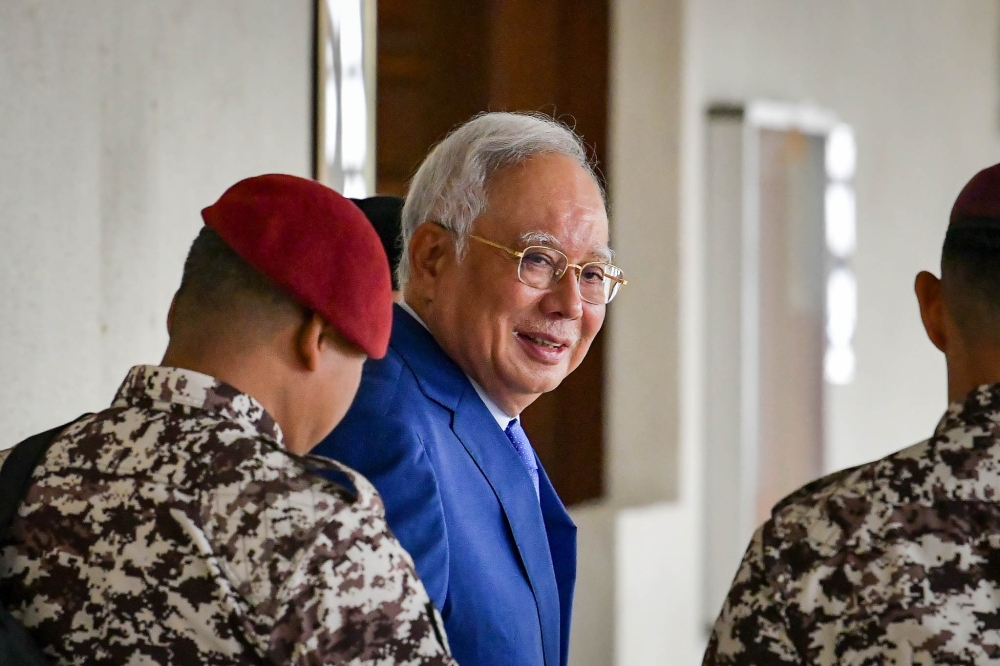
Former Malaysian Prime Minister Datuk Seri Najib Razak has undergone a coronary procedure and is recovering well, with his medical team confirming his condition remains stable following the intervention. The former leader, who served as Prime Minister from 2009 to 2018, received treatment at a medical facility in Kuala Lumpur on July 25, with cardiologists determining that stent implantation was not necessary as part of his treatment plan.
The decision to forgo stent placement represents a positive prognostic indicator, suggesting that the procedure achieved its therapeutic objectives without requiring the permanent insertion of mesh tubing to maintain artery patency. Medical professionals typically reserve stent deployment for cases where significant blockage restoration is needed, so the absence of this intervention points toward a less severe coronary condition or successful vessel opening through alternative means such as balloon angioplasty or pharmacological intervention.
Najib's medical episode comes during a period of considerable personal and legal turbulence for the former premier. He has faced multiple convictions related to financial improprieties and abuse of power stemming from the 1Malaysia Development Berhad (1MDB) scandal, one of the world's largest sovereign wealth fund frauds. Despite mounting legal challenges, the 71-year-old has maintained his public profile and political engagement, continuing to address media and supporters even as he pursues various appeal procedures through Malaysia's judicial system.
The timing of the procedure underscores the physical toll that prolonged legal proceedings and public scrutiny can exact on individuals, particularly those in their seventh decade of life. Coronary interventions have become increasingly common among high-profile political figures globally, reflecting both demographic patterns in aging populations and the stress-related cardiovascular risks associated with high-pressure political environments and sustained media attention.
For Malaysia's political landscape, the incident serves as a reminder of the country's complex constitutional and legal frameworks governing former heads of government. Unlike some Westminster-derived democracies that offer automatic immunity to sitting premiers, Malaysia's system has pursued criminal accountability for perceived misdemeanours by former leaders, establishing what observers consider a rigorous precedent for governance standards and financial stewardship in Southeast Asia.
The medical update is likely to generate significant discussion within Malaysia's political circles, where Najib's health status carries implications for his ongoing legal battles and future political positioning. His continued recovery and participation in public affairs could influence perceptions of his viability as a political actor during a period when his United Malays National Organisation (UMNO) party is undergoing substantial internal reorganisation and strategic repositioning following the 2022 election cycle.
From a broader healthcare perspective, Najib's case illustrates the increasing sophistication of Malaysian cardiac intervention protocols and the availability of advanced diagnostic and therapeutic capabilities within the country's medical infrastructure. The ability to perform selective coronary procedures without routine stenting indicates high standards of patient assessment and procedural precision, comparable to international best practices and reflecting investments in training and medical technology across Malaysian hospital networks.
The absence of stent implantation also suggests that attending physicians pursued a conservative and evidence-based approach, weighing factors such as vessel diameter, lesion characteristics, and individual patient risk profiles before determining the most appropriate intervention strategy. This individualized clinical decision-making represents a departure from earlier decades when stenting was deployed more routinely, demonstrating how cardiology has evolved toward more targeted, patient-specific treatment modalities.
Najib's recovery trajectory will likely be monitored closely by media observers and political analysts, given his continued presence in the public eye despite his legal circumstances. The stability of his condition provides some assurance regarding his physical capacity to engage with ongoing court proceedings and maintain his political visibility through statements and public appearances, factors that could influence how various stakeholders assess his role in Malaysia's evolving political dynamics.
The incident also raises questions about healthcare access and quality of life considerations for former political leaders facing extended legal proceedings. Prolonged stress associated with criminal trials, appeals processes, and public reckonings can precipitate or exacerbate cardiovascular complications, making adequate medical support and recovery resources essential elements of managing the human consequences of high-stakes political accountability mechanisms.
Looking forward, Najib's medical situation underscores the importance of comprehensive health protocols and preventive cardiology monitoring for individuals in high-stress professional and legal circumstances. His recovery and subsequent health management will likely inform discussions about how Malaysia supports former leaders navigating both legal accountability and the personal health challenges that inevitably accompany such processes in advanced age.

