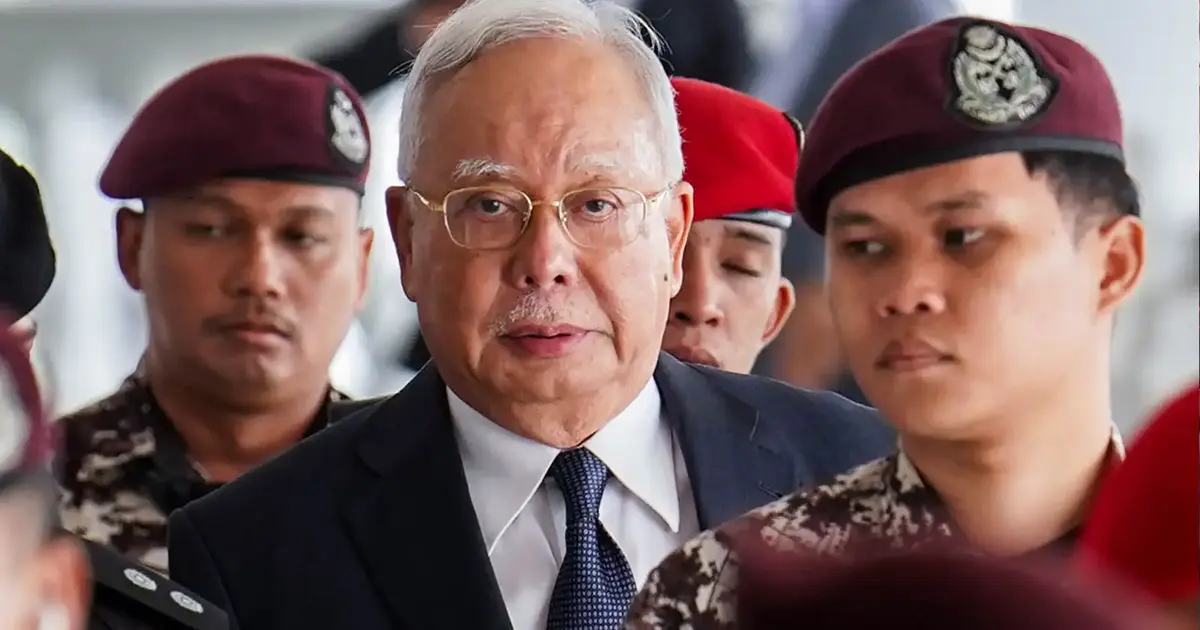
Former Prime Minister Najib Razak's legal defence has mounted a fresh argument against insolvency proceedings, with his counsel warning that bankruptcy would effectively neutralise any tax-related appeals he might pursue. The claim, articulated by senior lawyer Shafee Abdullah during court proceedings, suggests that placing Najib's finances under government administration would eliminate the practical purpose of challenging a massive tax demand spanning more than RM1.69 billion.
The bankruptcy action, initiated by the Inland Revenue Board, represents one of several financial and legal challenges confronting the former leader since his departure from office. The tax authority has pursued Najib for alleged unpaid assessments, a matter he has contested through the courts. Shafee's submission signals a strategic approach to halt the insolvency case by emphasising the procedural futility it would create for his client's legal remedies.
Under Malaysian bankruptcy law, when an individual is declared insolvent, their assets and financial affairs come under the control of the Official Receiver, a government agency responsible for managing the bankrupt's estate. This transfer of authority means that the bankrupt loses substantial autonomy over personal finances, including the capacity to independently pursue or settle legal disputes. Shafee's argument hinges on this fundamental aspect of insolvency law—that once Najib's finances enter government receivership, his ability to meaningfully contest the tax assessment through legal channels would become academic.
The RM1.69 billion tax demand represents a substantial claim that Najib disputes. His legal team has maintained that the assessment contains errors and that he possesses grounds for appeal. However, Shafee's courtroom submission suggests that bankruptcy would preempt such appeals, as decisions concerning Najib's financial obligations would theoretically shift from his personal legal representatives to the Official Receiver. This creates a paradoxical situation where the very insolvency declaration sought by tax authorities could render the underlying dispute unresolvable through conventional legal channels.
The case reflects broader tensions between tax enforcement and debtor protection within Malaysia's legal framework. Tax authorities worldwide face challenges in pursuing high-profile cases where wealthy individuals contest assessments, particularly when complex financial structures or disputed transactions are involved. The RM1.69 billion claim suggests the Inland Revenue Board identified substantial undisputed tax liability or penalties allegedly owed by Najib, though the ex-premier maintains he has substantial grounds for contesting the figure.
Najib's situation has drawn considerable public attention given his former position and the multiple legal proceedings he currently faces. Beyond the tax matter, he has been engaged in separate criminal proceedings, further complicating his overall legal exposure. The bankruptcy action represents a distinct but interconnected challenge that could have cascading consequences for his other outstanding matters. A bankruptcy declaration would not only restrict his financial autonomy but could also affect his ability to fund extensive legal representation across multiple cases.
Shafee's intervention in the tax bankruptcy proceedings underscores the complexity of Malaysian civil procedure when applied to high-profile figures with substantial disputed liabilities. Courts must weigh the rights of creditors—in this case the state through the tax authority—against principles of natural justice and procedural fairness to the debtor. If Najib's argument succeeds, it would establish precedent regarding the timing and sequencing of insolvency actions relative to pending tax disputes.
From a regional perspective, the case illuminates how Southeast Asian jurisdictions handle tax enforcement against powerful former officials. Comparable situations in other regional nations have produced varied outcomes, ranging from negotiated settlements to protracted litigation. Malaysia's approach, involving both criminal and civil mechanisms, offers a more comprehensive framework than some neighbouring countries but also creates tactical opportunities for sophisticated legal defence.
The broader implications extend to Malaysia's tax compliance culture. High-profile cases where wealthy individuals successfully contest or delay assessments through bankruptcy manoeuvres could potentially influence behaviour among other taxpayers facing similar pressures. Conversely, if authorities effectively overcome such defences, it would signal resolve in enforcing tax obligations regardless of the defendant's status or resources. The court's eventual decision will thus carry significance beyond Najib's personal circumstances.
Shafee's submission also reflects evolving strategies within Malaysian legal practice regarding insolvency and creditor disputes. Legal representatives increasingly argue that bankruptcy declarations should occur only after substantive disputes are resolved, preventing situations where procedural mechanism supersedes underlying rights. This approach contrasts with more rigid formalist interpretations that treat bankruptcy as an automatic remedy once technical insolvency thresholds are crossed.
The Inland Revenue Board faces a procedural choice as the case progresses. Pursuing bankruptcy vigorously could paradoxically complicate its ability to recover the disputed amount if the mechanism places assets beyond effective garnishment or enforcement. Alternatively, accepting Shafee's arguments and pursuing direct tax enforcement rather than insolvency might prove more efficient for revenue recovery, though potentially slower and requiring different procedural steps.
As Malaysian courts consider this matter, they must balance institutional interests—tax collection efficiency, rule of law principles, and individual fairness—against each other. The eventual ruling will likely be closely studied by other debtors facing similar tax challenges and by tax authorities seeking optimal enforcement mechanisms. For Najib specifically, the outcome will determine whether the bankruptcy threat dissolves or whether he must navigate the more restrictive financial environment that insolvency would impose.

